Plano Sewer Camera Findings: What They Mean
September 29, 2026
CISRS homeowner guide · Plano
Plano Sewer Camera Findings: What They Mean
Plano sewer camera findings can help explain recurring drain problems, but a short video clip is only part of the decision. This guide shows homeowners how to connect visible pipe conditions with location, repair options, and a written scope.
Educational guidance. Photos illustrate separate projects; an inspection is needed to evaluate your home.
RMP 45825Camera inspection and line locatingPermit and inspection coordination as requiredWritten repair or replacement scope
At a glance
Area: Plano. Focus: residential cast iron drainage, including slab-foundation homes where applicable.
Article type: educational guide. No project-specific footage, selected method, time on site or final construction price is claimed.
Start with observed conditions. Confirm the route and access. Compare a written scope before approving work.
Browse all CISRS resourcesPlano sewer camera findings: start with the evidence
For a homeowner considering cast iron sewer replacement in Plano, the most useful question is not whether a pipe looks old. It is whether the inspection documents a defect that explains the problem, where that defect sits, and what work would address it. The same rough-looking interior can raise very different questions depending on visibility and the condition of adjoining sections.
Start by describing the symptoms in plain language. Which fixtures drain slowly? Does water rise in a shower when another fixture is used? How soon does a backup return after cleaning? A written history gives the inspector something to compare with the video. Symptoms alone cannot establish that all cast iron beneath a house has failed.
Ask the person reviewing the recording to identify the entry point, direction of travel, and sections actually reached. A camera sent toward the street does not automatically inspect the branches beneath the bathrooms. Likewise, an under-slab run does not prove the condition of the entire yard line. A report should separate inspected sections from inaccessible or unviewed piping.
Keep the original recording along with the written observations. A screenshot can illustrate one condition, but it can omit the approach, surrounding pipe, and changes in water level. For a major decision, you should be able to understand how the recommendation follows from the inspection rather than relying on a single alarming frame.
Observation, interpretation, and recommendation
These are three different parts of a useful explanation. An observation might be standing water. An interpretation might be a possible low area or downstream restriction. A recommendation might be additional cleaning, locating, or verification before excavation. Keeping those steps separate prevents an uncertain view from becoming an unsupported construction plan.
Read the condition without overreading the picture
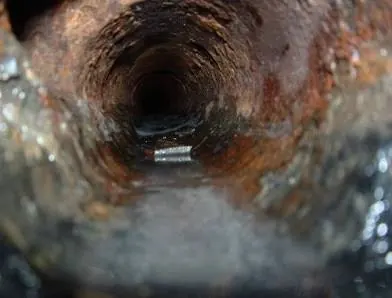
Interior scale is buildup on the pipe surface. It may narrow the opening or catch material, but the camera does not directly measure the remaining metal behind that surface. Ask whether the view is sufficient to distinguish buildup from visible wall damage. Cleaning may improve visibility where the plumber considers it appropriate for the pipe’s condition; it is not an automatic instruction to apply aggressive equipment.
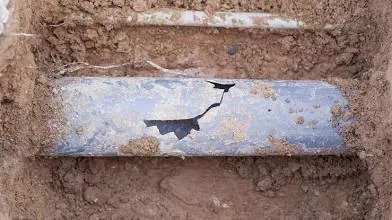
A crack, opening, or missing section can be more direct evidence of damage. Even then, a repair scope needs a location and an understanding of the pipe on both sides. A visible defect at a connection may call for a different access plan than similar damage beneath the middle of a room. Camera findings should be tied to the building layout before anyone estimates restoration.
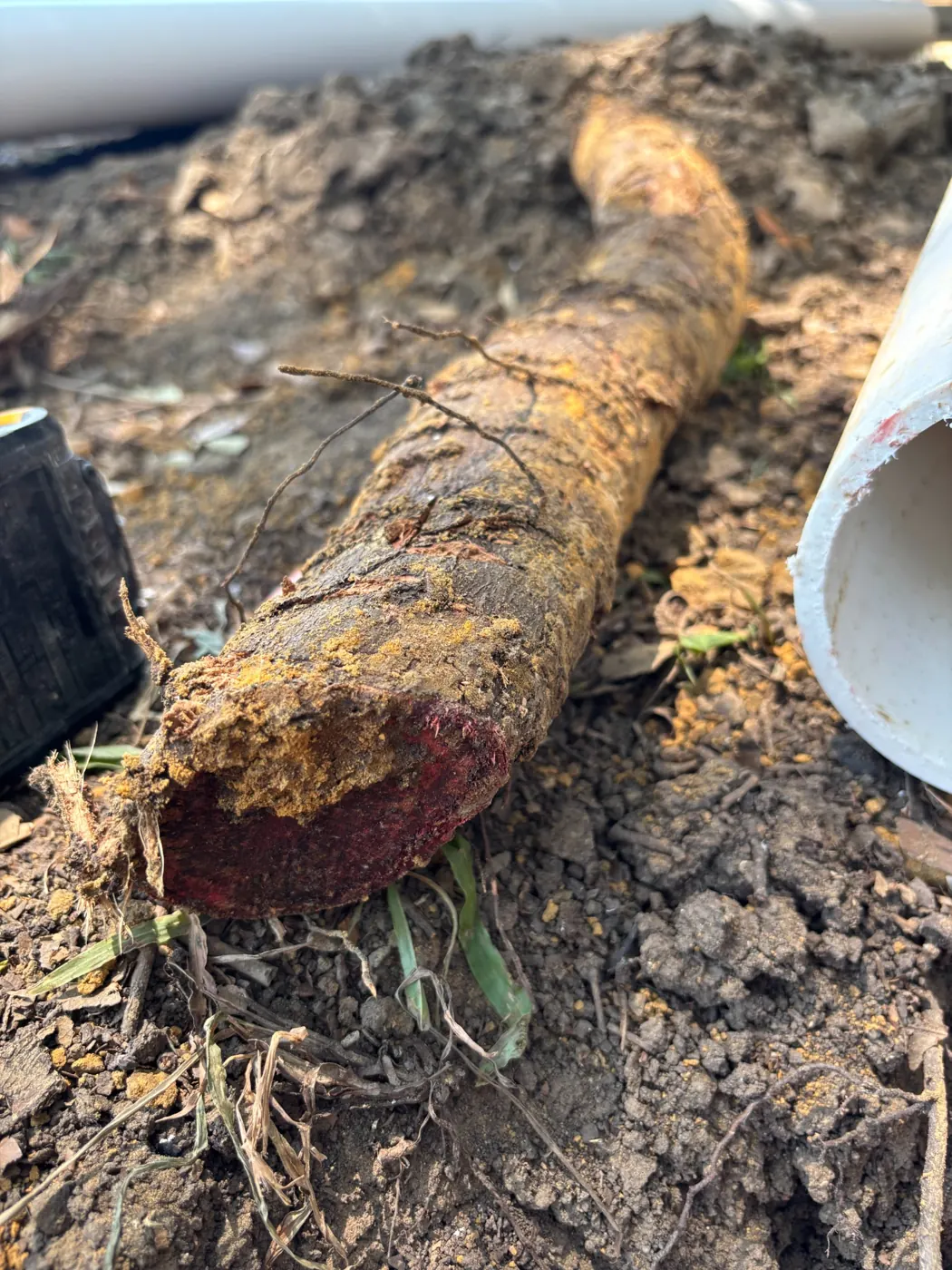
Roots indicate an entry path somewhere in the drainage system. Cutting or clearing the roots can restore an opening, but it does not establish that the joint or damaged section has been repaired. The useful follow-up question is whether the actual entry point can be identified and whether adjacent piping is suitable to remain.
Standing water needs context
Water covering the camera can obscure the pipe and the cause of poor flow. A low area is one possibility; a restriction downstream is another. Ask whether water was flowing during the inspection, whether a blockage had been cleared, and whether the section could be viewed again. Avoid treating an underwater image as a precise measurement of pipe slope.
A shifted joint, often called an offset, means the adjoining openings do not line up as expected. Its significance depends on how much the opening is restricted, whether material catches there, and the rest of the line. A distance displayed on the camera screen helps document the observation, but field locating is still important before choosing an excavation point.
Connect the video to the house and yard
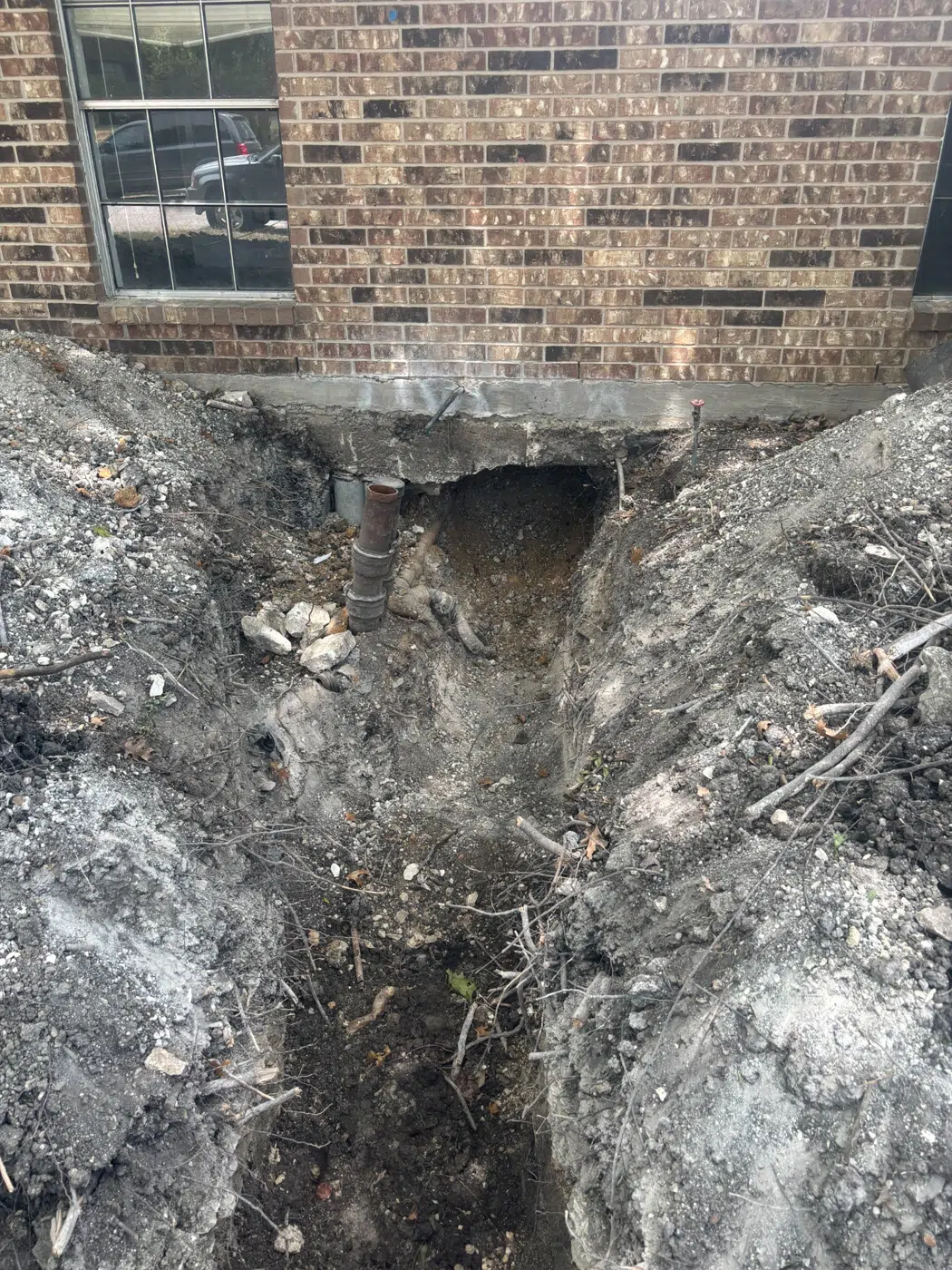
A camera distance is measured along the cable’s path. It is not simply a straight line drawn from the nearest exterior wall. Bends, the entry fitting, and the route beneath the home all matter. Ask for a sketch that connects observations to recognizable locations such as a cleanout, bathroom group, or exterior corner without pretending that every underground detail is already known.
Electronic locating can help estimate the camera head’s position and depth where conditions allow. Treat the result as a field measurement with limitations, not a promise that every utility and every branch has been mapped. An estimate should explain which dimensions are confirmed, which remain approximate, and what will be checked after access is opened.
Branches deserve specific attention. A main drain may appear clear while a separate kitchen or bathroom branch remains restricted. Conversely, a localized branch problem does not establish that the main line needs complete replacement. Have the contractor identify which fixtures are included in the proposal and which existing connections will remain in service.
When more information is the next step
If the camera stops at a blockage, the unseen portion should remain listed as unknown. Depending on conditions, the next step may be clearing the restriction, using a different suitable access point, or examining the exposed pipe during a planned repair. There is no benefit in presenting an incomplete survey as a complete diagnosis simply to produce a firm-looking number.
Before work involves digging, the excavation plan also needs utility coordination. Texas811 explains that member utility marking does not cover every privately owned line. Tell the contractor about irrigation, pool piping, outdoor wiring, and prior additions so private facilities can be addressed separately.
Match the repair option to the documented problem
After the findings are located, compare how each realistic option reaches and addresses them. The best comparison describes the same defect and the same endpoints. A short repair of one connection should not be presented as equivalent to replacing several branches beneath the house. Ask what remains after each option and what evidence supports leaving it.
Targeted repair
May fit: a defined defect with suitable adjoining pipe. Limits: does not renew other deteriorated sections. Disruption centers on the access opening and its restoration.
Tunnel or through-slab access
May fit: piping that must be reached beneath the home. Limits: structure, soil, access and branch layout govern feasibility. Tunneling affects exterior access and backfill; slab openings affect interior finishes.
Exterior reroute or trench
May fit: an achievable outside path and suitable connections. Limits: grade, utilities, property layout and tie-in depth. Landscaping and hardscape may need restoration.
Lining or pipe bursting
May fit: a specifically evaluated line and approved installation system. Limits: geometry, connections, condition and access. Neither label means every defect can be fixed without excavation.
For technical background, the International Code Council’s pipe-bursting overview describes video surveys as part of its discussion of the 2021 model codes. That reference does not establish which edition or amendments apply to your property. The contractor must confirm the governing requirements and proposed method with the appropriate authority.
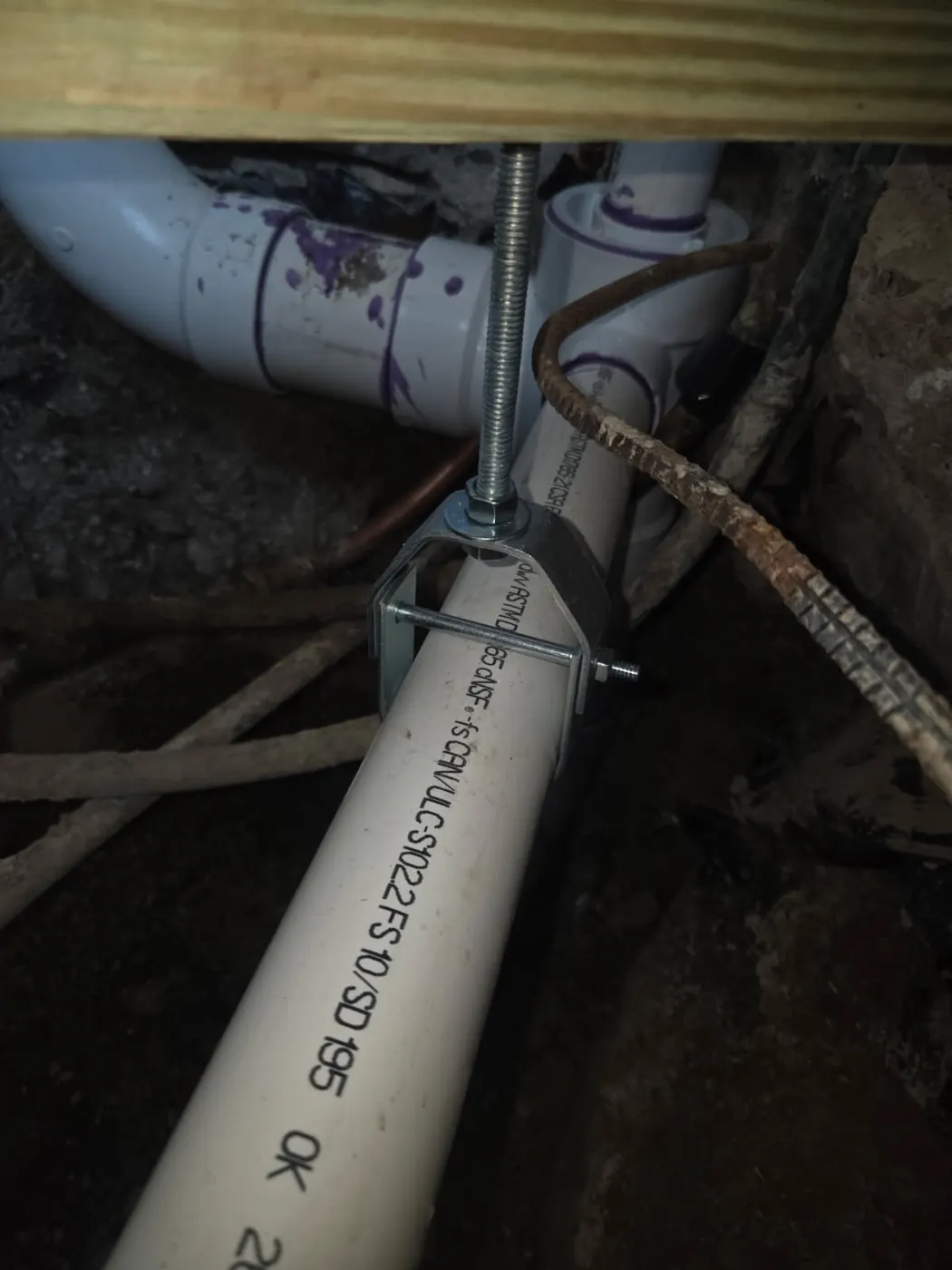
Turn findings into a price you can compare
A property-specific price needs an inspection and written scope. The largest drivers can include under-slab footage, depth, access, number of branches, excavation, concrete or flooring, utility conflicts, permits, inspection scheduling, backfill, and restoration. A distance visible in a video does not by itself price the work. Accessing one difficult connection can involve more than replacing a longer accessible yard section.
Ask the proposal to name the replacement endpoints, materials, connections, access locations, testing, and restoration responsibilities. Separate confirmed work from allowances or possible additional work. If a condition cannot be seen until excavation, the proposal should explain how a change will be documented and approved rather than silently expanding the job.
Understand the offers
CISRS offers a $239 sewer camera inspection and a free cast iron sewer replacement estimate. Those are different services. Discuss access, the issue being evaluated, and any separate cleaning or additional investigation before the visit. A free estimate is not a statement that every diagnostic service or construction activity is included at no charge.
When comparing proposals, also compare what is excluded. Finished flooring, decorative concrete, landscaping, irrigation repair, or other cosmetic restoration may be handled differently. A written answer now is more useful than discovering after construction that two apparently similar bids covered different finished results.
Verify the work before closing the project
A typical project moves from inspection and locating to an agreed scope, required permit coordination, access work, replacement connections, testing and inspection, then backfill and restoration. The order and timing depend on the actual project and jurisdiction. Do not assume that new pipe should be covered immediately just because it has been installed.
Ask what evidence will be supplied at completion. Depending on the scope, this may include a post-work camera recording, photographs of accessible connections, required inspection documentation, and a description of any piping intentionally left in place. A clear handover tells you what changed and what the work did not attempt to address.
Keep the original and final records together. If symptoms later change, a future inspector can compare the route, repaired sections, and remaining branches. Good documentation is useful even when the immediate repair is small; it reduces the need to reconstruct the property’s history from memory.
Frequently asked questions
Does an old cast iron pipe automatically need replacement?
No. Age is background information, not proof of failure. Decisions should follow documented condition, symptoms, location, access and the quality of piping that would remain after a repair.
Can the camera inspect every branch from one cleanout?
Not necessarily. Fittings, direction of entry, blockages and branch layout can limit access. Ask the report to identify inspected sections and unviewed branches so you know what the findings cover.
Does standing water prove a belly?
It may suggest a low area, but a downstream restriction or inspection conditions can affect the view. The plumber should explain the evidence and any further verification needed before specifying corrective work.
Will under-slab work require opening the floor?
Sometimes. Tunneling or a feasible reroute may offer alternatives, but access, structure, soil, grade and fixture connections govern the choice. A camera recording alone cannot promise that floors will remain untouched.
How long will the inspection or repair take?
Duration depends on access, visibility, cleaning needs and the repair scope. Ask for a project-specific sequence and distinguish active work time from permit, inspection, weather and restoration scheduling.
Are permits included in the repair estimate?
The proposal should state who confirms requirements, obtains any required permit and coordinates inspections. Requirements vary by jurisdiction and scope; do not assume a generic article establishes the process for your property.
What should I send before requesting an estimate?
Share existing videos, prior repair invoices, affected fixtures, backup history and available access information. Avoid sending only a cropped screenshot when the full recording is available; the surrounding footage can change the interpretation.
Find your local CISRS service page
Explore service information for your city. Additional DFW locations are served by scheduling availability. Project scope and local requirements must be confirmed for the property.
Ready to Find Out What Is Happening Beneath Your Home?
Tell us your city, the affected fixtures and what previous inspections have shown. Ask for a free cast iron sewer replacement estimate or a $239 sewer camera inspection.