Cast Iron Sewer Repair in Richardson: Replace or Repair?
September 29, 2026
CISRS homeowner guide · Richardson
Cast Iron Sewer Repair in Richardson: Replace or Repair?
Choosing cast iron sewer repair in Richardson starts with understanding how much of the system is affected. This guide helps you compare a limited repair with broader replacement without assuming that pipe age alone decides the answer.
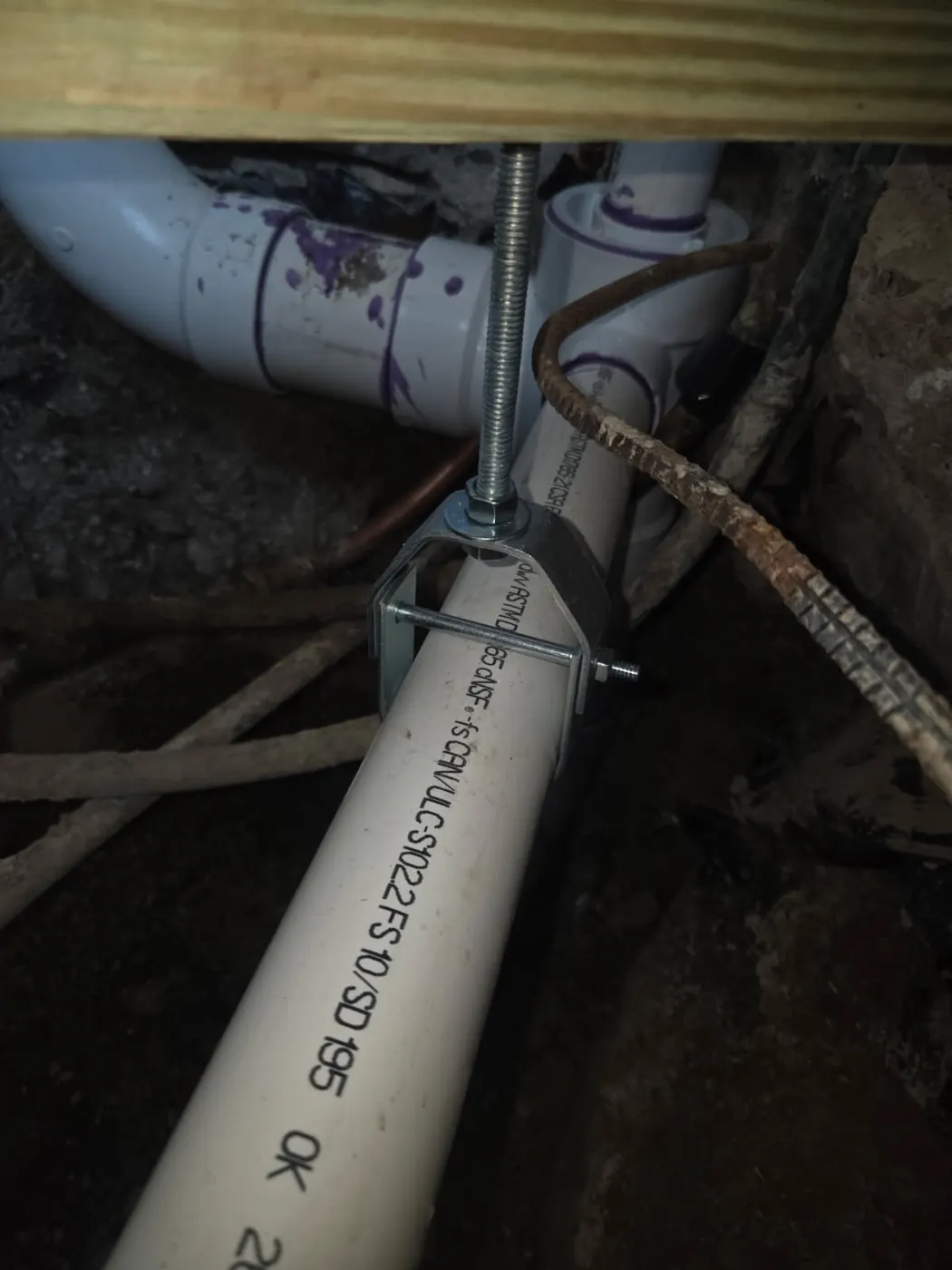
Educational guidance. Photos illustrate separate projects; an inspection is needed to evaluate your home.
RMP 45825Camera inspection and line locatingPermit and inspection coordination as requiredWritten repair or replacement scope
At a glance
Area: Richardson. Focus: residential cast iron drainage, including slab-foundation homes where applicable.
Article type: educational guide. No project-specific footage, selected method, time on site or final construction price is claimed.
Start with observed conditions. Confirm the route and access. Compare a written scope before approving work.
Browse all CISRS resourcesWhen cast iron sewer repair in Richardson may fit
Homeowners exploring Richardson cast iron sewer services often hear two very different recommendations: replace one section, or replace substantially more of the system. Either can be reasonable when the evidence supports it. The useful question is what problem each proposal solves and what pipe condition remains outside that proposal.
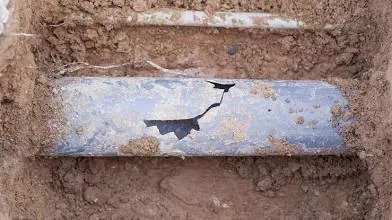
A targeted repair may fit a clearly identified defect when the adjoining pipe can accept suitable connections and the remaining inspected sections do not show a comparable pattern of failure. Examples of issues worth evaluating include a damaged joint or a localized broken section. These are general conditions, not descriptions of a completed customer project.
Broader replacement becomes a different conversation when damage appears at multiple separated locations, several branches need attention, or a limited repair would leave documented problems that still explain recurring symptoms. The recommendation should identify those locations. A statement that a house is old is not a substitute for showing why a larger scope is appropriate.
Define the question before comparing prices
Decide whether you are addressing a single recurring blockage, a known defect, several failed branches, or planning around an upcoming remodel. Those objectives overlap, but they are not identical. A proposal that gets one bathroom draining again may not accomplish the same goal as a plan to renew all affected under-slab branches.
Write down the problem you want resolved and ask each contractor to explain how its scope addresses it. This makes a second opinion more useful. Instead of choosing between competing labels, you can compare the evidence, the work boundary, and the practical consequences of leaving particular sections in service.
Build a map of defects and uncertainty
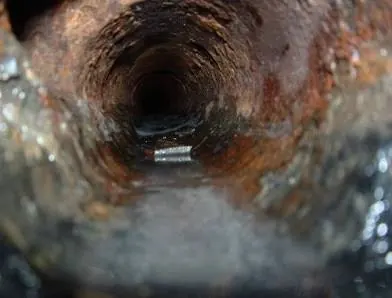
Start with available camera footage and a description of which sections were inspected. Note the entry point, direction, material changes, branches encountered, obstructions, and any areas that could not be viewed. Inspection coverage matters as much as the most dramatic image. A clear yard line does not prove that every under-slab branch is in similar condition.
The report should distinguish visible wall damage from a surface that is merely rough or obscured. Interior buildup can restrict flow or hide the wall, and dirty standing water can prevent a useful view. Ask what can be concluded now and whether appropriate cleaning or another access point would materially improve the decision.
Locate significant findings in the field where feasible. A repair under a room, a garage, or a landscaped yard presents different access and restoration questions. Camera cable distance and a depth estimate are useful records, but the planned excavation and final connection locations need confirmation appropriate to the project.
Read recurring symptoms carefully
A line that clogs again after cleaning deserves further evaluation. However, repeat symptoms do not establish the same cause at every property. A persistent structural defect, a restriction that was not fully removed, or a separate branch problem can create similar complaints. The inspection should test the explanation instead of assuming that every repeat visit proves total system failure.
Make uncertainty visible in the proposal. If an inaccessible branch remains uninspected, label it that way. The contractor can explain whether that uncertainty calls for additional investigation, a defined allowance, or a change procedure once access is available. An honest unknown is more useful than a confident statement unsupported by the inspection.
What a limited repair leaves behind
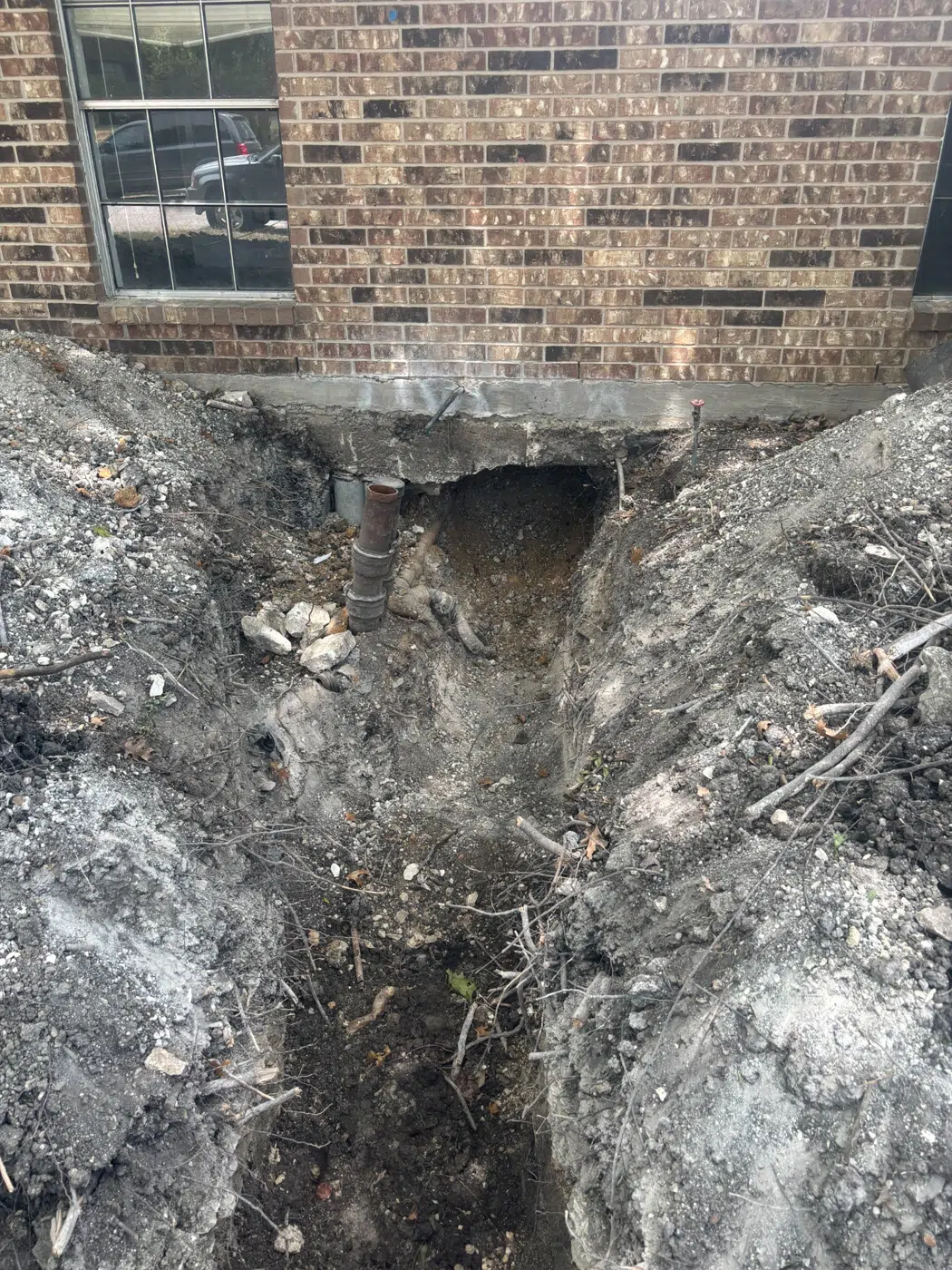
A small repair should have clear start and end points. Ask where new pipe connects to existing pipe, how those connections will be accessed, and whether the adjacent material appears suitable for the transition. A limited excavation sometimes reveals a different condition than the camera suggested, so the scope should explain how that discovery affects authorization and pricing.
The remaining pipe is part of the decision, even though it is not part of the replacement. Ask whether it was inspected, what limitations affected that inspection, and whether any observed conditions still need attention. Avoid a promise about exact remaining life; a camera view does not provide that certainty.
If more than one problem is documented, clarify whether the limited repair addresses all current symptoms or only the most urgent section. Phased work can be practical, but the phases need compatible endpoints and a realistic explanation of what remains between them. Deferring another known defect is a decision to document, not something to hide in broad wording.
A useful question for any recommendation
Ask, “If we complete only this scope, which documented problems will still be present?” A specific answer helps you understand tradeoffs. It may support the smaller repair, or it may show why a broader project is worth comparing. Either way, the discussion stays connected to your actual piping rather than a general preference for large or small jobs.
Also ask what would cause the recommendation to change. Additional visible damage, an unsuitable connection, or an unexpected route can require a revised plan. A clear change process should identify the finding, explain the proposed adjustment, and obtain your approval before unrelated extra work proceeds.
Compare access methods alongside repair size
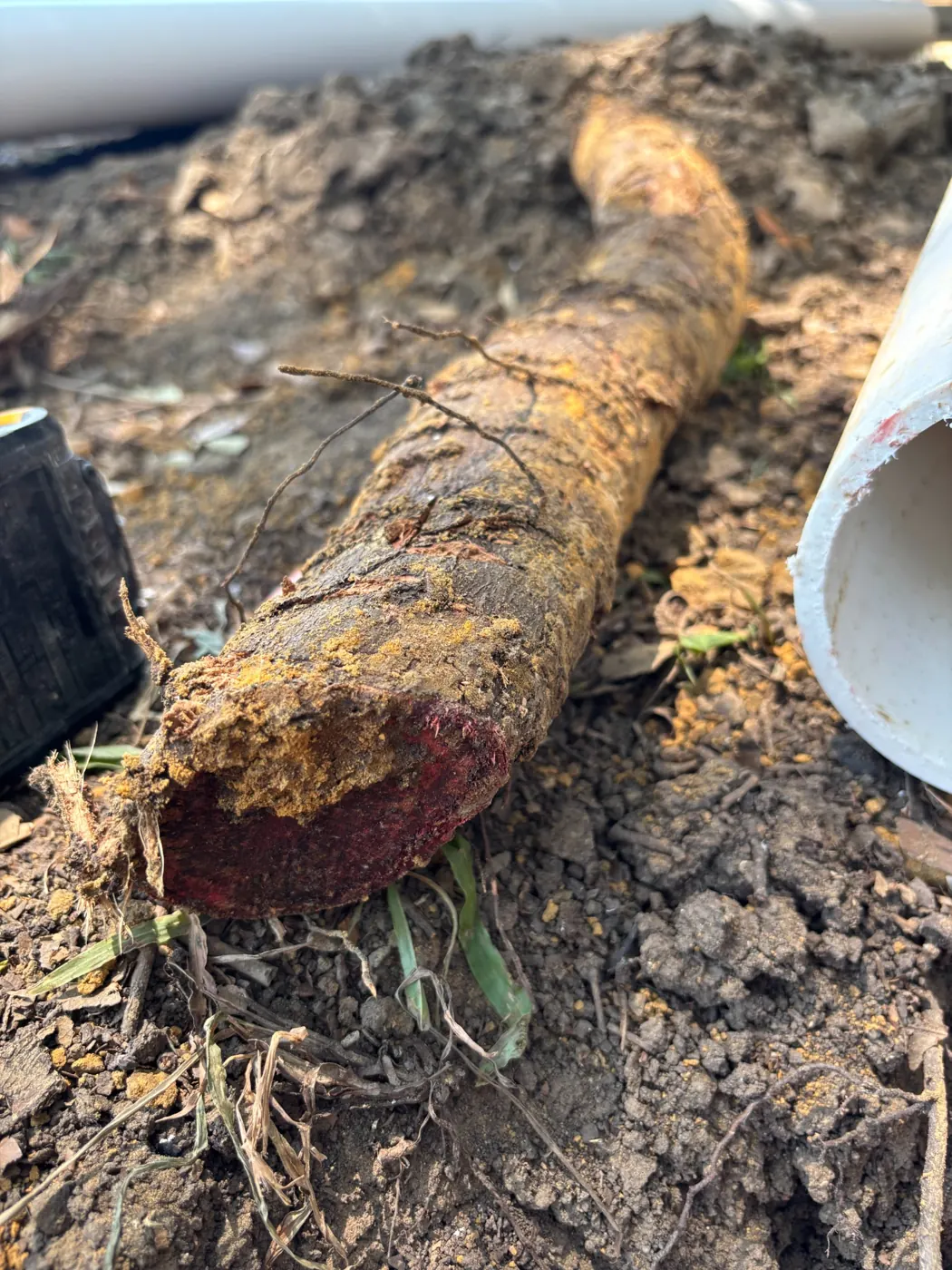
The size of the replacement and the method of access are separate choices. A targeted repair can require significant interior access. A broader exterior route can sometimes avoid part of the existing under-slab path. The contractor should compare both dimensions so you understand what the crew will do to reach each connection.
Targeted replacement
May fit: a localized documented defect. May not fit: widespread deterioration or multiple unresolved failures. Expect an access opening; its location controls disruption and restoration.
Under-slab access
May fit: branches that must remain on the existing route. Tunneling and through-slab access have different impacts. Soil, structural constraints, floor finishes and safe access can limit either approach.
Reroute or open trench
May fit: viable outside connections and an achievable route. Limits: elevations, utilities, property boundaries and landscaping. Moving pipe outside does not eliminate every interior connection.
Rehabilitation methods
Lining or pipe bursting deserves evaluation only for suitable conditions and systems. Access and branch connections still matter. These methods should not be offered as an automatic cure for every low area, separation or collapsed section.
The International Code Council’s overview of fold-and-form relining describes limitations for defects including inadequate slope under the 2021 model-code framework. It is background, not a declaration of local adoption or approval of a specific product. Confirm the applicable local requirements and the actual system proposed.
Compare complete scopes, not isolated totals
Repair cost depends on more than new pipe length. Under-slab footage, depth, branch count, access, excavation, concrete removal, finished flooring, landscape work, permits, inspection scheduling, backfill and restoration all affect the scope. Two bids with similar footage may include very different work. Property-specific pricing requires inspection and a written proposal.
Place the proposals side by side and compare their endpoints, access points, pipe materials, connections, testing, inspection coordination and exclusions. Then compare the price. If one contractor includes restoring a surface and another leaves it to a separate trade, those are different deliverables even when the plumbing work sounds similar.
Plan a phase only when it stands on its own
A phased project should explain what each phase accomplishes and how future work connects to it. Ask whether the first phase creates extra access or restoration that would have to be repeated later. That does not automatically make phasing wrong; it gives you a concrete way to compare cash timing, disruption, and repeated work.
CISRS offers a free cast iron sewer replacement estimate and a $239 sewer camera inspection. Confirm which service you are requesting. The inspection gathers evidence; the estimate defines proposed work and price. Do not interpret either offer as an unsupported average repair price or a promise that every condition can be diagnosed through one accessible opening.
Keep warranty terms and exclusions in writing. Ask which work is covered, how concerns are reported, and whether remaining existing piping is outside the new-work coverage. Avoid assuming that a warranty on the repaired section renews the rest of the drainage system.
From approved scope to documented completion
Before construction, agree on the access plan, expected service interruptions, required permit coordination, and the point at which changed conditions will be discussed. The actual method should follow the inspection and field measurements. No educational article can select a particular route for an unseen property.
During the work, the contractor exposes the planned area, evaluates the connection conditions, installs the agreed piping, and completes applicable testing and inspections before the appropriate closure steps. A scope should include backfill and identify who handles each finish repair. Never assume that the word “complete” means the same thing in every proposal.
At handover, request a record of the repaired sections and any remaining issues. Post-work video or photographs may help document the result where appropriate, alongside inspection records required for the project. Save those records with the original findings. They become a useful starting point if you later remodel, sell the home, or evaluate another branch.
Frequently asked questions
Is repair always cheaper than replacement?
A smaller scope can cost less initially, but access and restoration can dominate the price. Compare complete proposals and any documented problems left unresolved. There is no reliable property-specific answer from pipe age or length alone.
Can one bad joint justify replacing everything?
Not by itself. The contractor should explain the rest of the inspected system, any inspection limits, and why adjoining sections are suitable to remain or should be included.
Can I avoid breaking the floor?
Possibly, depending on the location and layout. Tunneling or a feasible exterior reroute may reduce interior access, but neither is appropriate everywhere or a promise of zero disruption.
What if the camera cannot reach the damaged area?
The report should say so. Additional suitable access, cleaning where appropriate, or examination during planned excavation may be necessary. Unseen pipe should not be described as fully inspected.
How long does a replacement take?
The schedule depends on access, extent, branch connections, soil, weather, permits, inspections and finish work. Ask for a project-specific sequence and the expected windows when fixtures cannot be used.
Who checks permit requirements?
The written scope should identify responsibility for confirming local requirements and coordinating required permits and inspections. This guide does not establish a city’s current procedure or declare any project approved.
How do I choose between competing bids?
Compare the evidence, endpoints, remaining pipe, access method, testing, restoration, exclusions and change process. Ask each contractor to explain the same documented defects before comparing totals.
Find your local CISRS service page
Explore service information for your city. Additional DFW locations are served by scheduling availability. Project scope and local requirements must be confirmed for the property.
Ready to Find Out What Is Happening Beneath Your Home?
Tell us your city, the affected fixtures and what previous inspections have shown. Ask for a free cast iron sewer replacement estimate or a $239 sewer camera inspection.