Recurring Sewer Backups After Cleaning: What to Check
September 30, 2026
CISRS homeowner guide · DFW
Recurring Sewer Backups After Cleaning: What to Check
Recurring sewer backups after cleaning are a reason to investigate what remains inside the system. This guide explains how to turn another stoppage into useful evidence, distinguish restored flow from a resolved defect, and choose the next inspection or repair step.
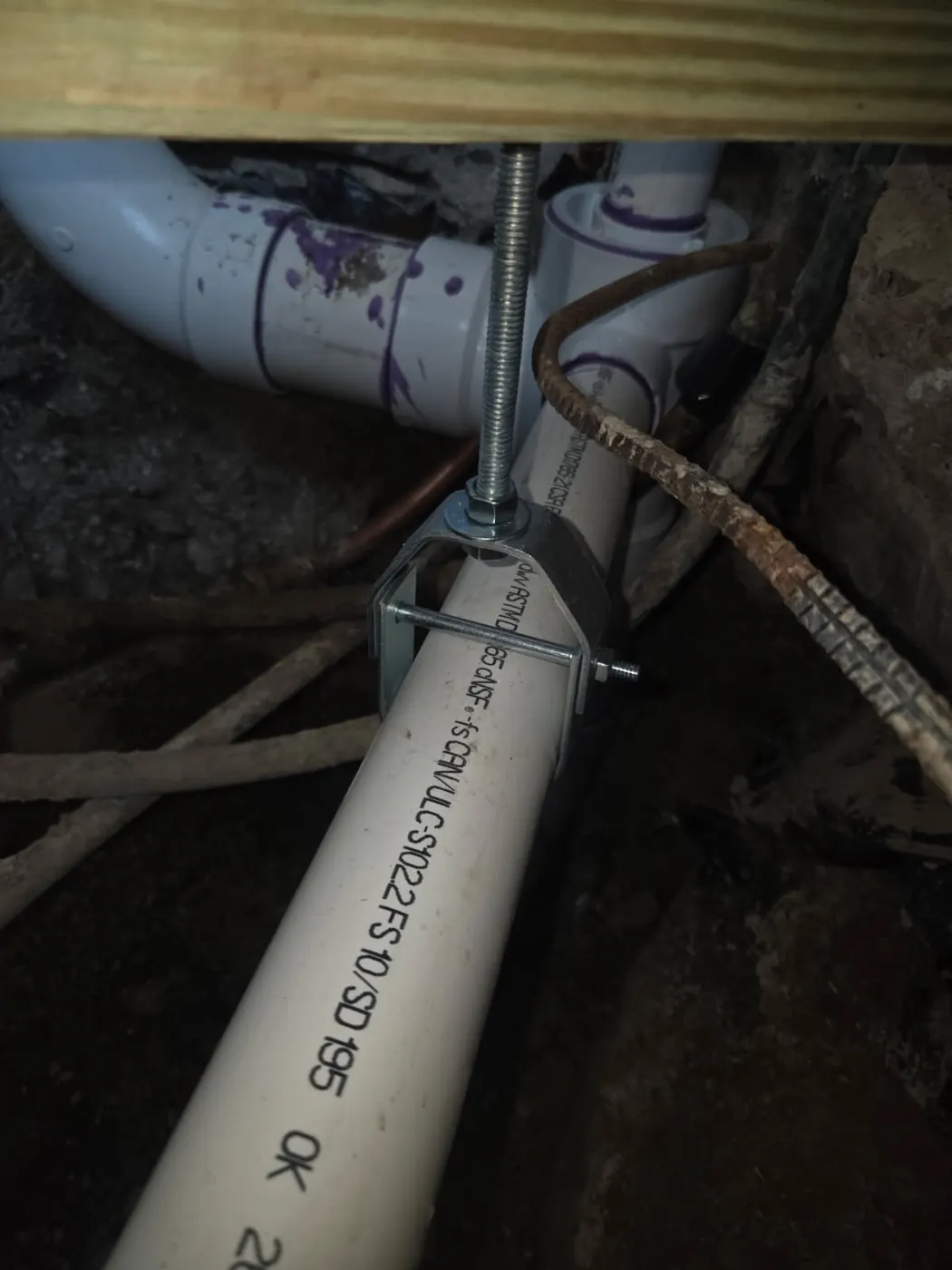
Educational guidance. Photos illustrate separate projects; an inspection is needed to evaluate your home.
Camera, route, and accessCamera inspection and line locatingPermit and inspection coordination as requiredWritten repair or replacement scope
At a glance
Service area: DFW. Subject: residential cast iron drainage and property-specific sewer planning, including slab-foundation homes where applicable.
Article type: educational guide. No customer, project footage, construction duration, completed outcome, or replacement price is claimed. The photographs illustrate separate projects.
Use this guide to prepare questions. A field evaluation and written scope are needed to choose work for your property.
Browse all CISRS resourcesRecurring sewer backups after cleaning: map the pattern
A drain that works after a service visit and then backs up again raises a practical question: what changed during the visit, and what stayed the same? Opening a path through a blockage can restore drainage without establishing the condition of every connected pipe. That distinction matters when deciding whether to clean again, investigate farther, or request a repair proposal.
Start with a simple symptom record. Note which fixtures were affected, whether the problem involved one room or several, and whether water appeared somewhere other than the fixture being used. Record the date of the last service and what the invoice actually says was done. A description such as “cleared main” does not establish that all branches were inspected.
Separate observations from conclusions
“The laundry discharge was followed by water in the shower” is an observation. “The whole sewer has collapsed” is a conclusion requiring evidence. Give the contractor the observation first so the investigation can consider the actual arrangement. Avoid making repeated test discharges yourself when wastewater is already backing up.
If there is an active backup, stop using the affected plumbing and arrange professional help. Keep people and pets away from wastewater and open work areas. This article concerns diagnosis and planning; it does not provide instructions for entering excavations, opening pressurized equipment, or operating drain-cleaning machinery.
Ask what the previous cleaning reached
Request the service record, any video, and the entry point used. Ask whether the technician restored flow, removed a documented obstruction, inspected afterward, or completed some combination of those tasks. Each outcome answers a different question. A flowing line is useful, but flow alone does not document wall condition or identify unviewed branches.
Access determines coverage. A camera entering from a yard cleanout may follow a different route from one entering an interior branch. Ask for the direction of travel and where the inspection stopped. If the technician could not pass a bend or obstruction, the report should describe that limit without declaring the unseen section sound or failed.
Use cleaning as a diagnostic step when appropriate
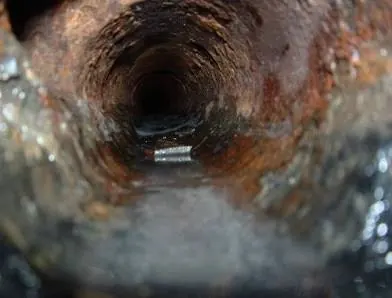
Buildup can obscure the pipe wall and make a video difficult to interpret. A qualified contractor can explain whether suitable cleaning would improve the view and what risks the apparent condition presents. More forceful cleaning is not automatically the next answer. The equipment and approach must fit the pipe, available access, and the condition being evaluated.
Compare records from different visits only after confirming that they show the same run and direction. Cable distances may have different starting points. A similar number on two videos does not, by itself, prove that the same defect has returned. Location notes make comparisons more useful than relying on a single still image.
Connect the recurring symptom to a documented finding
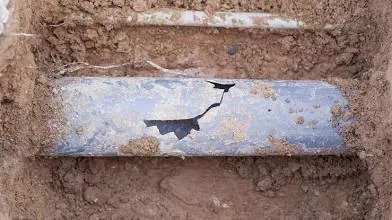
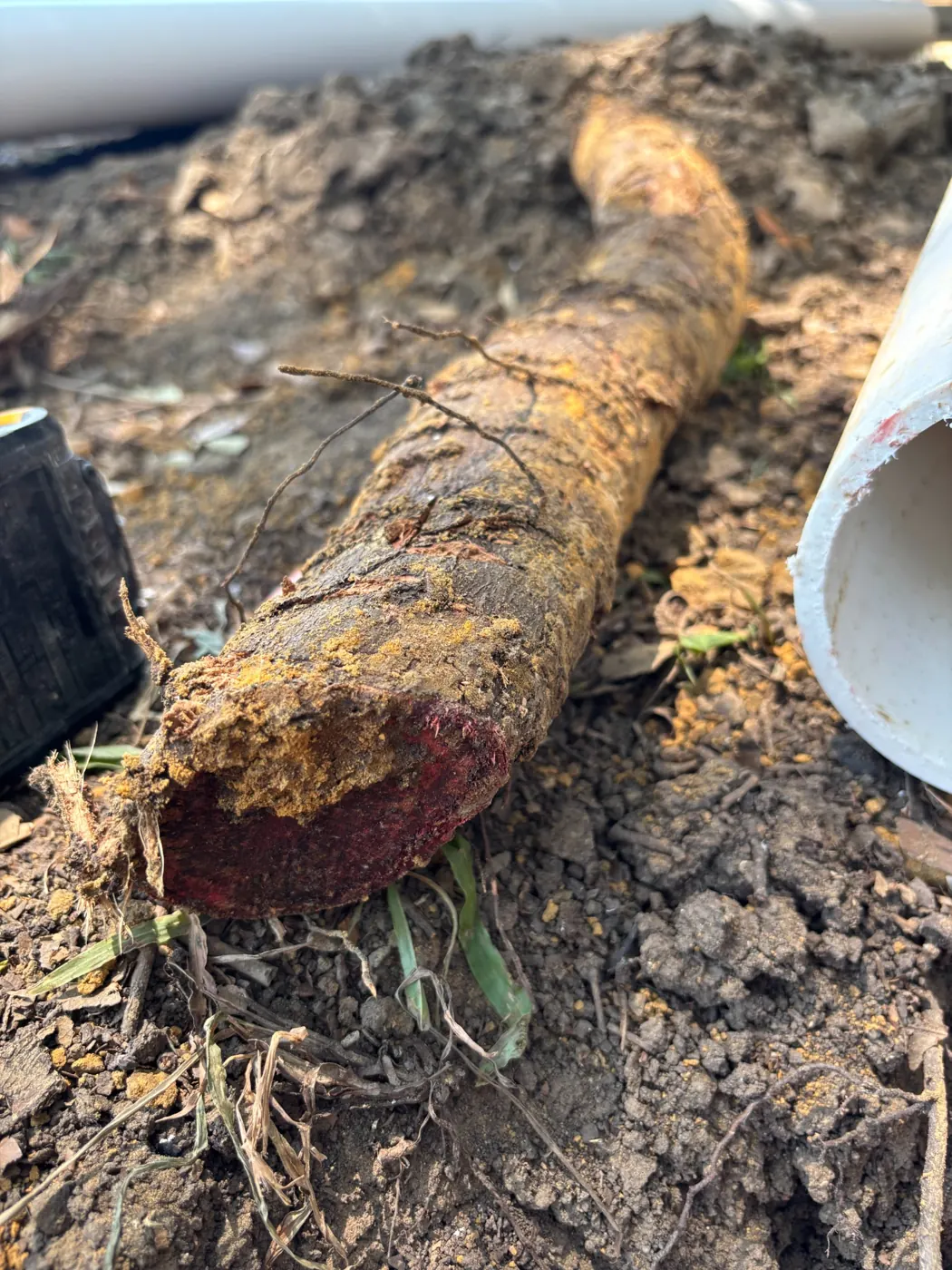
A useful evaluation separates restrictions from structural issues and incomplete information. Interior deposits may narrow the passage. A joint displacement may interrupt the path. A visible crack or missing wall section raises a different question from a rough but intact-looking surface. These are possible conditions to evaluate, not diagnoses of an unseen property.
Standing water needs context. Its visible extent, nearby obstructions, direction of inspection, and flow conditions affect interpretation. A short submerged camera segment does not provide a precise survey of pipe slope. If grade correction is proposed, ask how the contractor will verify the affected extent and the connection elevations needed for the repair.
Locate the important finding
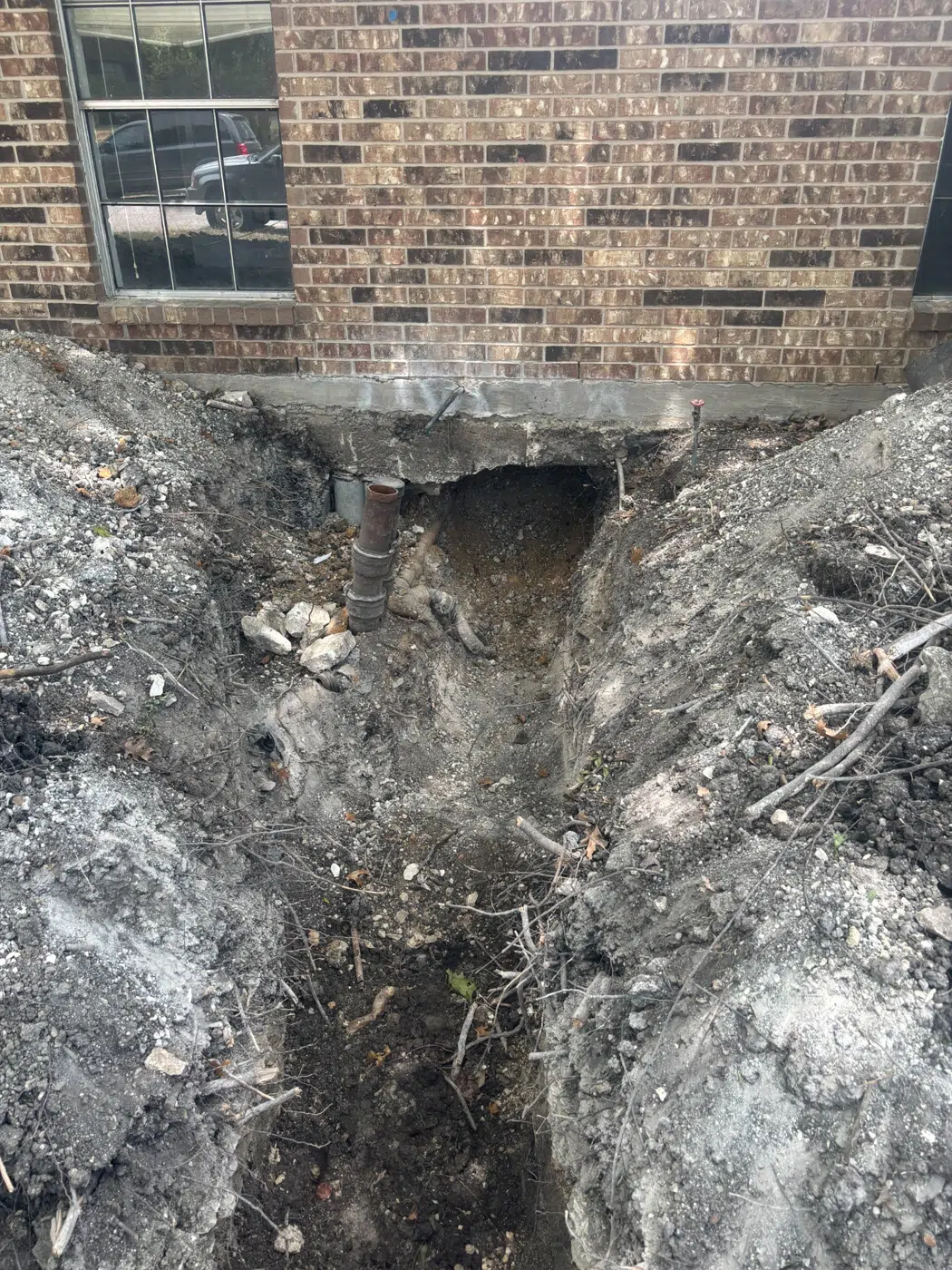
The location of a defect changes access planning. A problem below a bathroom, along a side yard, or near a driveway can require different work areas and restoration. Field locating and depth information should be interpreted with the layout and verified as appropriate before final construction decisions.
Ask the contractor to finish this sentence in plain language: “We believe this condition explains your recurring symptom because…” The answer should connect the evidence to the recommendation. If the relationship remains uncertain, further investigation may be more useful than authorizing a large scope immediately. Keep that uncertainty visible in the written findings.
Compare the options by the problem they solve
Method selection depends on condition, grade, depth, access, branch connections, layout, and local requirements. A method name alone does not establish that the recurring cause will be corrected. Compare what the proposed work changes and what it leaves in service.
Cleaning and reassessment
May fit: an appropriate removable restriction or a need for better visibility. May not fit: structural damage needing repair. Access disruption may be limited, but cleaning does not replace missing pipe or reconstruct its route.
Targeted repair
May fit: a localized documented defect with suitable adjoining pipe. May not fit: widespread defects outside the proposed boundary. Excavation and finish disturbance depend on location; remaining pipe needs a clear condition record.
Replacement or reroute
Through-slab access, tunneling, exterior trenching, or a feasible reroute may address affected runs. Interior finishes, soil, structure, utilities, and branch tie-ins limit suitability. A new exterior path still needs workable elevations and connections.
Lining or pipe bursting
These require a method-specific evaluation of the existing system and access. They are not universal solutions for low grade, displaced branches, or every failed pipe. Confirm limitations, connection work, local acceptance, and verification before comparing disruption.
For model-code context, ICC explains fold-and-form relining under the 2021 IPC and IRC, including unsuitable existing conditions. That discussion is specific to its method and model-code edition; it does not establish local approval for a particular product or property.
Price the diagnosis and the proposed correction separately
Repeated service bills can make any replacement offer feel attractive. First compare what you would purchase: another attempt to restore flow, an investigation to identify the cause, or construction to correct a defined condition. Ask what each visit includes and which finding would trigger a separate proposal.
Construction costs depend on the affected extent, under-slab footage, depth, access, branches, excavation, concrete, landscaping, permits, inspection scheduling, backfill, and restoration. An inspection and written scope are required for property-specific pricing. There is no useful universal price based only on the number of recent stoppages.
Identify what remains uncertain
If a connection is concealed or the camera cannot pass an obstruction, ask how additional findings will be priced and approved. A written change process should describe the discovery, its effect on the original plan, and the owner’s authorization. It should not convert incomplete inspection coverage into an unlimited construction allowance.
CISRS currently advertises a free cast iron sewer replacement estimate and a $239 sewer camera inspection. Confirm access and the diagnostic scope when scheduling. Do not assume cleaning, additional entry points, or every supplementary investigation is included in one advertised service. Agree on any additional work before it begins.
Decide what evidence would change the next step
Before authorizing another visit, agree on the question it should answer. If the previous video was obscured, the goal may be a usable view. If the defect was visible but not located, the goal may be relating it to the house and an access plan. If several branches were never reached, the goal may be establishing coverage. This prevents a series of service visits from producing the same incomplete information.
Ask for a short written next-step recommendation that names the evidence still needed. You can then assess the proposed investigation by what it is expected to resolve, without assuming that more footage or a more expensive service automatically gives a better diagnosis.
Follow the correction through testing and use
Once the scope is approved, ask for the sequence from access through installation, applicable testing, required inspections, closure, and restoration. Fixture availability can change during connections. The contractor should explain when each affected part of the drainage system can be used again and how the household will receive updates.
Work duration and elapsed time are different. A pause for inspection, weather, backfill, or finish work may separate installation from final restoration. Ask for the dependencies relevant to your property instead of accepting a fixed promise from an educational article. Do not enter a work opening to check progress yourself.
Compare the final evidence with the original problem
At handover, request the final work description and available post-work camera records. Ask how the original documented condition was addressed and what existing sections remain. A photograph of new pipe is useful evidence of visible installation, but it does not replace applicable tests, inspection records, or a complete explanation of the work boundary.
If symptoms recur, report what happened, which fixtures were involved, and when. Preserve the records from both before and after construction. This helps distinguish an issue within the completed work from a different branch or condition. Review warranty and follow-up terms in the actual contract; do not assume all future drainage problems are covered.
Frequently asked questions
Does another backup prove all the cast iron is bad?
No. Recurrence justifies investigation, but the affected fixtures, inspection coverage, visible defects, and remaining pipe condition determine the scope. Age and the number of cleaning visits alone cannot establish that the entire system needs replacement.
Should the pipe be cleaned before a camera inspection?
Sometimes cleaning is needed for visibility or access. The contractor should evaluate condition and explain a suitable approach. Ask whether the original obstruction will be documented and whether a follow-up video is included once the view improves.
Can a camera prove the line does not leak?
A visual inspection documents accessible internal conditions. It does not independently establish watertightness throughout the system or predict remaining service life. Ask whether separate testing is appropriate and which sections any proposed test would cover.
Will an exterior reroute stop repeat backups?
Only if it addresses the actual cause and can serve the intended fixtures with appropriate connections and elevations. A reroute may leave some interior piping active. The scope must identify those remaining sections and any known issues.
Can I keep using the bathroom while work is underway?
Ask the contractor which fixtures are available during each phase. Water supply availability does not mean a disconnected drain can be used. Plan alternatives when the affected fixtures or main connection are temporarily unavailable.
Are permits the same across DFW?
No single article establishes requirements for every city and project. Have the contractor confirm the jurisdiction, scope-specific permits, testing, and inspection sequence. Keep the resulting records with your final work documents.
What information should I have ready when I call?
Share the affected fixtures, recurrence history, prior invoices, accessible videos, and known repairs. Tell the team whether a backup is active. These details guide scheduling and investigation without pretending that a phone description is a final diagnosis.
Find your local CISRS service page
Explore service information for your city. Additional DFW locations are served by scheduling availability. Project scope and local requirements must be confirmed for the property.
Ready to Find Out What Is Happening Beneath Your Home?
Tell us your city, the affected fixtures and what previous inspections have shown. Ask for a free cast iron sewer replacement estimate or a $239 sewer camera inspection.