Compare Sewer Replacement Estimates: A Scope Checklist
September 30, 2026
CISRS homeowner guide · DFW
Compare Sewer Replacement Estimates: A Scope Checklist
To compare sewer replacement estimates, first make sure the prices describe the same result. This guide shows how to organize findings, work boundaries, construction methods, exclusions, and completion records into a comparison you can actually use.
Educational guidance. Photos illustrate separate projects; an inspection is needed to evaluate your home.
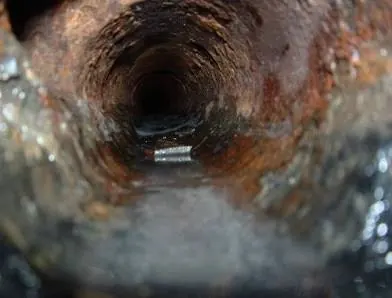
Camera, route, and accessCamera inspection and line locatingPermit and inspection coordination as requiredWritten repair or replacement scope
At a glance
Service area: DFW. Subject: residential cast iron drainage and property-specific sewer planning, including slab-foundation homes where applicable.
Article type: educational guide. No customer, project footage, construction duration, completed outcome, or replacement price is claimed. The photographs illustrate separate projects.
Use this guide to prepare questions. A field evaluation and written scope are needed to choose work for your property.
Browse all CISRS resourcesCompare sewer replacement estimates from the same baseline
Two contractors can inspect the same home and produce different totals because they are proposing different work. One may replace an affected branch. Another may include several branches, an exterior segment, and broader restoration. Before deciding which price is more reasonable, establish what problem each scope is intended to solve.
Create a one-page baseline using the available camera findings, reported symptoms, inspection coverage, and known previous repairs. Attach the same records when requesting another proposal. Ask each contractor to explain any disagreement about the condition instead of silently treating different diagnoses as equivalent bids.
Give every proposal a clear objective
Write the objective in plain language: address a documented defect, replace specified damaged branches, or evaluate a feasible outside route. Do not convert “old cast iron” into a diagnosis. Age may justify closer investigation, but actual condition, access, and the extent of observed problems should guide construction.
If the camera did not reach part of the system, include that limitation in the baseline. Ask whether further investigation is needed before a firm proposal. A quote based on assumed conditions can be useful when its assumptions are explicit. It becomes difficult to compare when uncertain sections are presented as fully evaluated.
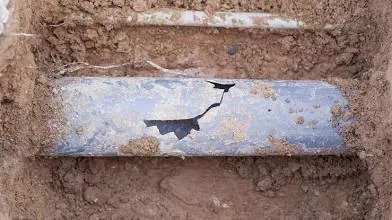
Compare endpoints, branches, and existing pipe left behind
A usable scope identifies where work begins and ends. “Replace sewer” is too broad when one contractor means a yard run and another means under-slab branches. Ask for a simple marked plan or a written route description connected to recognizable areas of the property.
List the fixtures or branches included. Ask where new pipe connects to existing material and whether those transition areas have been evaluated. Also identify existing pipe that will remain active. A proposal can be appropriate without replacing everything, provided it explains what remains and whether known concerns are outside the scope.
Compare quantities without mistaking them for certainty
Approximate footage is useful when the route and measuring basis are clear. Camera cable distance, a conceptual drawing, and an exposed construction measurement are different forms of evidence. Ask which quantity was used and what happens if the verified route differs after access is established.
Put optional phases on separate lines. A first phase should describe its own functional endpoints and the condition left for later work. Ask whether the second phase would reopen finished areas or change connections created in the first. This reveals the practical cost of phasing without assuming every owner should authorize the broadest project immediately.
Compare access and restoration as part of the same job
A pipe price is only one part of the impact on a home. Ask each contractor to identify openings, equipment paths, staging, and the surfaces likely to be disturbed. Through-slab work, tunneling, and exterior excavation shift disruption to different locations; none makes restoration disappear.
For each surface, identify the responsible party and the intended finish. A basic concrete patch is different from matching finished flooring. Backfilling an opening is different from restoring decorative landscaping or an irrigation system. Use specific descriptions instead of assuming the word “complete” includes every finish.
Ask how underground conflicts will be handled
Known utilities, pool piping, irrigation, and private electrical installations can affect an outside route. Texas811 explains that member marking may not include private facilities. Ask the contractor how the proposed work area and private lines will be addressed; utility marks are not a complete sewer construction plan.
Document household needs too. Fixture outages, interior protection, access for residents, and temporary work-zone separation influence planning. The proposal should explain relevant dependencies rather than guarantee an identical duration at every house. Homeowners should stay out of active excavations and leave excavation safety and installation methods to qualified professionals.
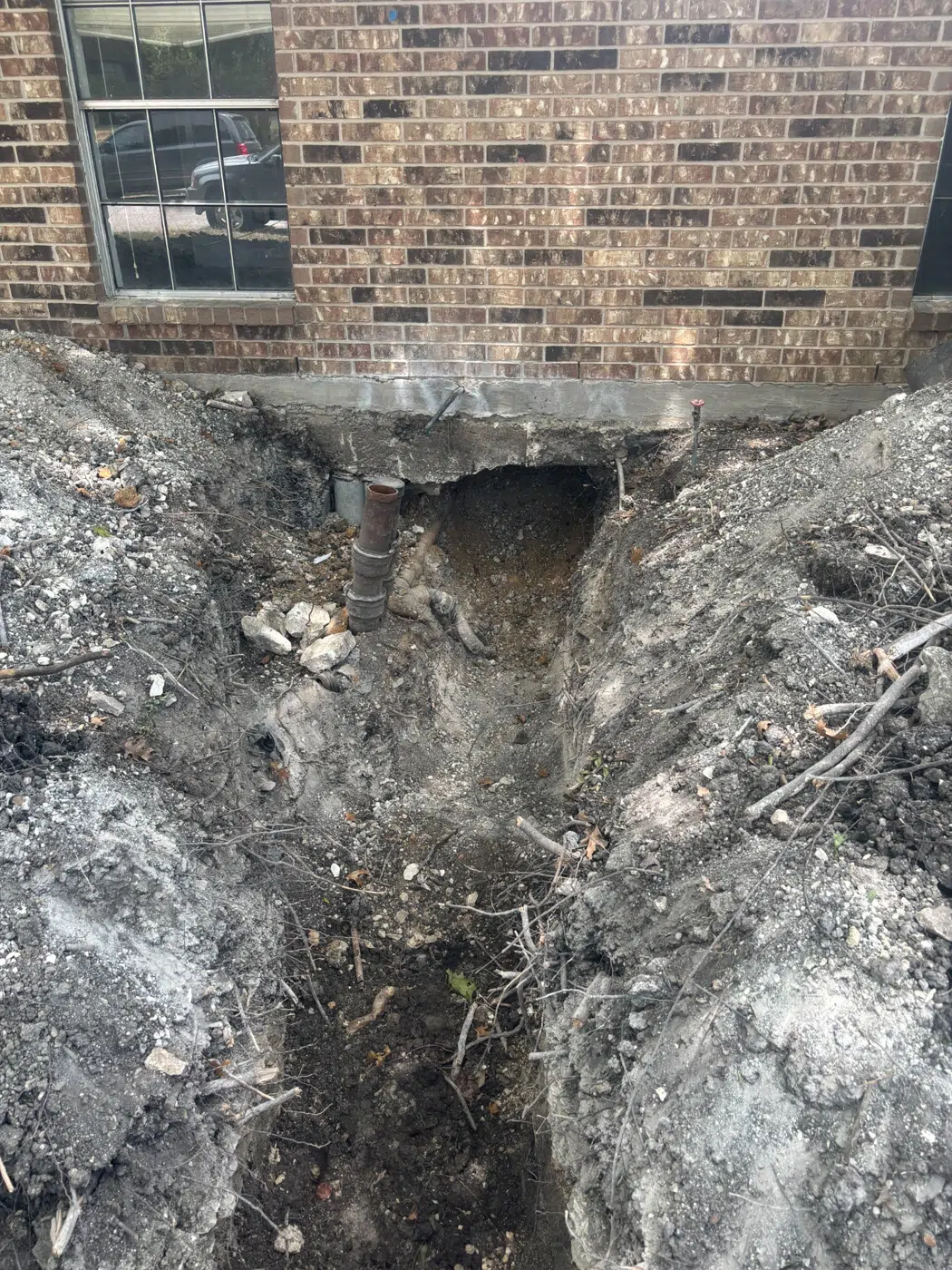
Compare only methods that fit the inspected conditions
Condition, grade, depth, access, branch connections, layout, and local requirements determine method suitability. Ask contractors to compare the practical options for this property and explain their limitations. A preferred technique should follow the evidence.
Targeted repair
May fit: a limited documented defect with usable adjoining pipe. May not fit: broader damage or unresolved conditions outside the boundary. Compare the small repair’s access cost and the remaining system’s documented condition.
Tunneling or through-slab work
Both can provide access to affected interior piping. Structure, soil, safe access, and finishes limit suitability. Compare exterior openings and backfill with interior protection, concrete, and flooring work instead of assuming one is always less disruptive.
Exterior reroute or open trench
A route may fit accessible branches and achievable elevations. Utilities, available space, and tie-in locations can prevent it. Compare every connection and disturbed surface; an outside route may still require selected interior work.
Lining or pipe bursting
Ask for a method-specific suitability explanation, local acceptance, access plan, branch treatment, and verification. These methods may reduce some surface disturbance but do not remove all access needs or solve every existing grade and layout problem.
If one proposal includes a method another excludes, ask for the reason in writing. You are comparing solutions to a documented problem. A price comparison without those reasons can reward an incomplete scope simply because it appears shorter.
Separate included work, allowances, and exclusions
Use three categories when reading each estimate. Included work is part of the stated price. An allowance sets a defined basis for an item that is not fully determined. An exclusion identifies work outside the contract. Ask how unused allowances, overruns, and additional authorization are handled in the actual agreement.
The largest price drivers often include under-slab extent, depth, access, branch connections, excavation conditions, concrete, landscaping, permits, inspection scheduling, backfill, and restoration. Their effect varies by property. An inspection and written scope are required for property-specific pricing; this guide intentionally provides no unsupported regional average.
Require a clear change process
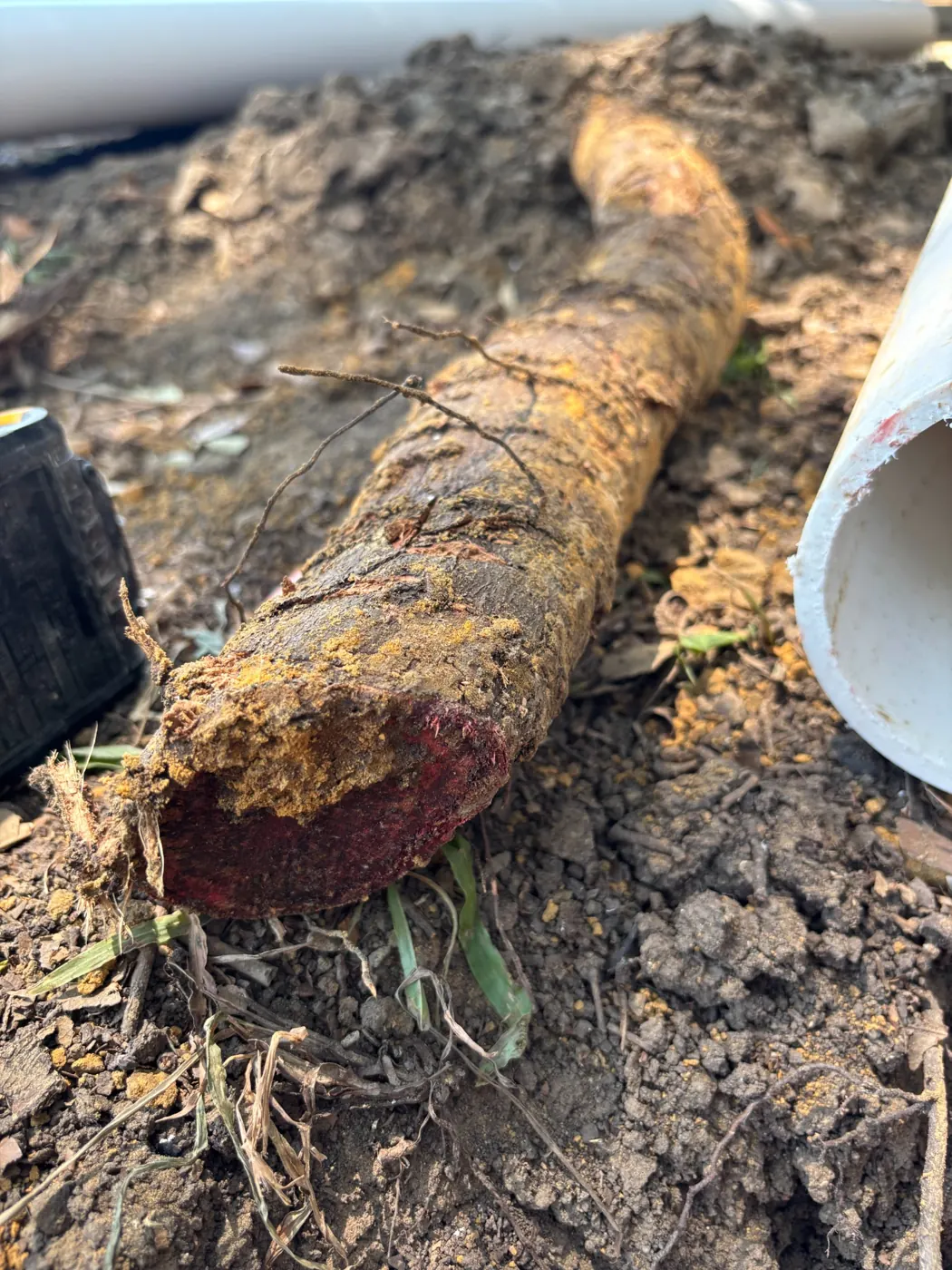
When concealed conditions are found, ask for a description and supporting photos where practical, the recommended response, its price and schedule effect, and your authorization. The process should allow you to understand the decision. An unknown connection is not a reason for an unrestricted permission to expand the job.
The Texas State Board of Plumbing Examiners advises consumers to obtain detailed written estimates and warranties. Use that guidance to request understandable terms. Confirm qualifications and local requirements through the appropriate official sources. This article explains comparison questions; it does not replace review of your specific contract.
Build a simple comparison sheet
Make one column for each proposal and one row for each decision: documented defect, endpoints, branches, access, testing, inspection, backfill, restoration, exclusions, and unresolved conditions. Use “not specified” where the proposal is silent. Do not fill those cells from your assumptions or from an unrelated project photograph.
Send the unanswered rows back to the contractor for clarification. A useful response may revise the scope or explain why a particular item does not apply. Keep those clarifications with the proposal so the comparison remains accurate when someone revisits it later.
Finally, compare the stated outcome in a single sentence. If one contractor will repair a branch and another will renew several runs, the different totals are answering different questions. You can then decide whether to request matching alternatives or intentionally choose a broader scope based on the documented condition.
Compare how each contractor defines completion
Ask what verification is included, who coordinates required inspections, and which portions need review before they are concealed. A completion promise should connect to the actual scope, selected method, and applicable requirements. Do not treat a camera video, a flow demonstration, and an official inspection as interchangeable documents.
Restoration can finish after piping is installed. Ask whether another trade is responsible for flooring, landscaping, or decorative surfaces and how unfinished items will be recorded. A schedule should distinguish installation, inspection dependencies, backfill, and finish work so you know what “done” means.
Review the handover and follow-up terms
Request the final work description, approved changes, available route and camera records, applicable test and inspection documentation, and warranty terms. Ask how to report a concern and what existing piping falls outside coverage. Avoid relying on a verbal statement that all future sewer issues are included.
CISRS offers a free cast iron sewer replacement estimate and a $239 sewer camera inspection, as currently advertised. Confirm diagnostic coverage when scheduling. Bring competing scopes if you want help identifying differences. The next useful decision may be a clearer investigation or a revised scope rather than immediate construction.
Frequently asked questions
Why are two replacement estimates so far apart?
They may include different pipe sections, branches, access methods, restoration, or uncertainty allowances. Ask both contractors to explain their work boundaries using the same findings. Price differences cannot be interpreted reliably until the scope differences are visible.
Should I choose the lowest price per foot?
Footage alone leaves out depth, connections, access, and finishes. A short difficult section can require substantial work. Compare the complete functional result and exclusions before using a unit price as one part of the decision.
Does a camera video replace a written scope?
No. It supports the diagnosis but does not define every construction item, restoration obligation, or exclusion. Ask the proposal to connect each significant finding to the specific work being recommended.
Is tunneling always better than cutting the slab?
No. Soil, structure, depth, access, finishes, and connection layout influence suitability. Ask for a property-specific explanation of both the benefits and limitations, including safe access, backfill, concrete, and finish restoration.
Can I divide replacement into phases?
Sometimes. Each phase needs workable endpoints and a clear description of remaining conditions. Compare repeat access, future tie-ins, and deferred documented defects. A phase should have a defined purpose rather than simply an attractive smaller total.
Who should handle permits and inspections?
The contract should identify responsibilities and requirements confirmed for the property. Ask which inspection stages affect concealment or service restoration and who will provide the records. Requirements differ by jurisdiction and scope.
What should I ask about the warranty?
Request its exact covered work, exclusions, duration, reporting process, and any maintenance or transfer terms. Clarify how existing pipe and restoration are treated. Marketing language is not a substitute for the written warranty.
Find your local CISRS service page
Explore service information for your city. Additional DFW locations are served by scheduling availability. Project scope and local requirements must be confirmed for the property.
Ready to Find Out What Is Happening Beneath Your Home?
Tell us your city, the affected fixtures and what previous inspections have shown. Ask for a free cast iron sewer replacement estimate or a $239 sewer camera inspection.