Cast Iron Sewer Leak Testing: What Each Test Can Prove
October 3, 2026
Educational Guide • October 3, 2026
Cast Iron Sewer Leak Testing: What Each Test Can Prove
Cast iron sewer leak testing is not one universal procedure. A camera inspection, controlled water observation, isolation test and municipal inspection answer different questions. Choosing a test because it is familiar—rather than because it matches the decision—can produce confident-looking results that leave the real uncertainty unresolved.
Quick answer
Cast iron sewer leak testing should start with the question that needs an answer. Camera footage evaluates visible interior condition; controlled flow can show drainage behavior; isolation or code-required tests may evaluate a defined section. No single result proves every branch, joint, exterior surface or future condition.
Use this guide to
- separate findings from assumptions
- compare access and repair choices
- understand cost drivers without unsupported averages
- request useful testing and closeout records
cast iron sewer leak testing: Cast iron sewer leak testing begins with a precise question
Homeowners may ask whether the sewer leaks, while a contractor needs to know which section is implicated, what access is available and whether the goal is diagnosis, repair verification or a required inspection. The goal is to turn an observation into a defined planning question instead of letting one label decide the entire project.
A drainage complaint can involve restriction, poor grade, a separated joint, a fixture seal or a public-system condition. Testing should narrow those possibilities instead of assuming all moisture or odor originates from a cracked building sewer. Ask the contractor to state how this condition was identified, what evidence supports it and what additional access could change the conclusion.
Write the question before scheduling the method: locate a suspected failure, document condition before purchase, verify a repaired section or satisfy a local inspection. The same property may need different procedures for each goal. The written scope should connect this issue to a repair limit, verification step and restoration responsibility so different proposals can be compared fairly.
Use camera inspection for visible interior evidence
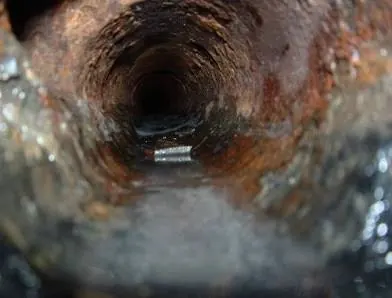
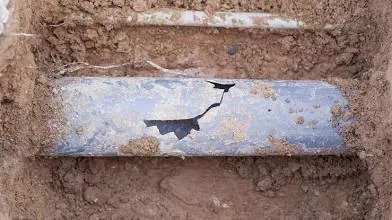
A sewer camera can show corrosion patterns, roots, offsets, standing water, debris and accessible branch inlets. Continuous labeled footage helps establish where the visible condition appears relative to the insertion point. The goal is to turn an observation into a defined planning question instead of letting one label decide the entire project.
The lens cannot measure remaining wall thickness reliably or see soil outside the pipe. Water or deposits can hide the invert, and a badly damaged section may stop the camera before the area of concern. Ask the contractor to state how this condition was identified, what evidence supports it and what additional access could change the conclusion.
Camera footage should include orientation, direction and useful distance references. Short clips without access-point labels can be difficult to interpret later and should not be represented as a complete system survey. The written scope should connect this issue to a repair limit, verification step and restoration responsibility so different proposals can be compared fairly.
Use controlled flow to observe drainage behavior
Introducing water through selected fixtures can associate a branch with a camera inlet and reveal how water moves through an accessible run. The process is observational and should avoid flooding a known damaged or backed-up system. The goal is to turn an observation into a defined planning question instead of letting one label decide the entire project.
Standing water may indicate a low area, obstruction or insufficient flow during the observation. The water level, camera angle and pipe deposits matter, so a single frame should not be converted into an exact grade claim. Ask the contractor to state how this condition was identified, what evidence supports it and what additional access could change the conclusion.
Flow that appears normal during a brief observation does not prove every joint is watertight or that the system will perform under every load. Record which fixtures were used and how long the observation lasted. The written scope should connect this issue to a repair limit, verification step and restoration responsibility so different proposals can be compared fairly.
Inspection limitations belong in the decision
No camera, locator, water observation or visible opening describes every concealed condition. A reliable plan identifies what was reached, what was not reached, which dimensions are approximate and which assumptions could change after access begins. That is not a weakness in the report; it is essential information for controlling scope and change orders.
Understand isolation and code-required testing
A defined section may be isolated and tested when the piping condition and access make the procedure appropriate. The boundaries, test medium, duration and acceptance criteria need to be identified before the result has meaning. The goal is to turn an observation into a defined planning question instead of letting one label decide the entire project.
Severely deteriorated cast iron may not be a good candidate for every test or cleaning method. The professional should evaluate whether the procedure could worsen an existing defect or release wastewater into the building. Ask the contractor to state how this condition was identified, what evidence supports it and what additional access could change the conclusion.
Municipal inspection requirements are distinct from private diagnostic work. The locally adopted code, amendments and inspector determine what is required for permitted repairs; an informal camera visit does not substitute for that approval. The written scope should connect this issue to a repair limit, verification step and restoration responsibility so different proposals can be compared fairly.
Match post-repair verification to the work performed
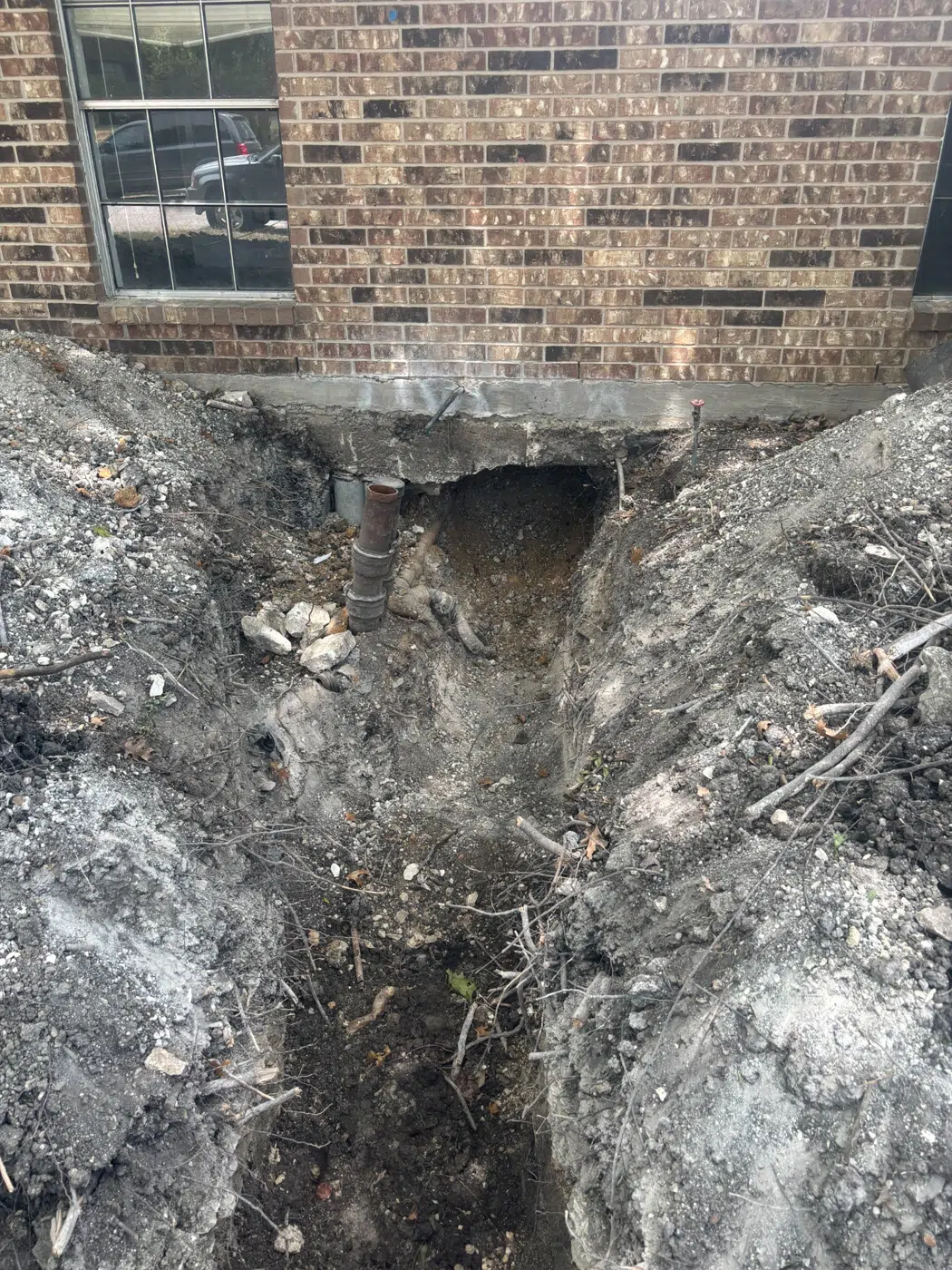
Photographs before concealment can document materials, fittings, external support and bedding—conditions a camera cannot see. Camera footage can then document accessible interior alignment and visible reconnections. The goal is to turn an observation into a defined planning question instead of letting one label decide the entire project.
A flow or leak test should cover the repaired limits described in the contract. If untouched branches or distant pipe are not included, the final report should not imply whole-system certification. Ask the contractor to state how this condition was identified, what evidence supports it and what additional access could change the conclusion.
Verification is strongest when its limits are explicit: where the test began and ended, which fixtures or openings were involved, what was observed and which areas remained inaccessible. The written scope should connect this issue to a repair limit, verification step and restoration responsibility so different proposals can be compared fairly.
Turn test results into a repair decision, not a sales label
A test finding should connect to a proposed action. If an offset is visible, the scope should explain its location, severity, access and why repair or replacement is recommended rather than simply listing it as a defect. The goal is to turn an observation into a defined planning question instead of letting one label decide the entire project.
Multiple findings may not carry equal urgency. A restricted camera view, minor surface scaling and an open joint require different follow-up. Ask the provider to separate confirmed conditions, likely implications and unanswered questions. Ask the contractor to state how this condition was identified, what evidence supports it and what additional access could change the conclusion.
Cost comparisons should use equivalent diagnostic and verification work. A quote that includes locating, permits, testing and restoration cannot be compared directly with one that assumes those steps away. The written scope should connect this issue to a repair limit, verification step and restoration responsibility so different proposals can be compared fairly.
Method comparison for cast iron sewer leak testing
Method suitability depends on condition, grade, depth, access, branch connections, layout and local requirements. The table compares planning categories; it does not select a method for a property without inspection.
Camera inspection
Best fit: Visible interior condition and accessible route
Potential advantage: Creates footage that can be revisited
Important limit: Cannot see pipe exterior or every branch
Controlled flow observation
Best fit: How selected fixtures drain through visible sections
Potential advantage: Helps associate branches and behavior
Important limit: Does not prove complete watertightness
Defined-section isolation test
Best fit: Performance of a specifically bounded section
Potential advantage: Can answer a narrower leak question
Important limit: Needs suitable condition, access and criteria
Required municipal inspection
Best fit: Compliance for permitted work
Potential advantage: Independent administrative checkpoint
Important limit: Scope depends on local adoption and project type
Cost factors without unsupported averages
A responsible estimate should be based on the actual route and written inclusions. Major cost drivers for this topic include:
- Number and quality of access points. Ask how it changes labor, materials, access, inspections or restoration.
- Cleaning needed for visibility. Ask how it changes labor, materials, access, inspections or restoration.
- Line isolation and temporary test fittings. Ask how it changes labor, materials, access, inspections or restoration.
- Depth locating and route marking. Ask how it changes labor, materials, access, inspections or restoration.
- Condition-related safety limits. Ask how it changes labor, materials, access, inspections or restoration.
- Reporting, permits and post-repair documentation. Ask how it changes labor, materials, access, inspections or restoration.
Compare permits, required inspections, testing, surface protection, haul-off, backfill, concrete and finish restoration on the same basis. If concealed conditions can change the work, require a documented authorization process rather than an open-ended allowance.
For official context, Dallas identifies its adopted plumbing-code framework and local amendments on the Current City Code page and lists plumbing inspection stages on its Required Inspections page. Those Dallas sources do not establish requirements in another city; verify the property’s authority having jurisdiction.
Steven Shipler authority and editorial approach
Steven Shipler, MBA, is the author of this CISRS educational guide. The article is organized around field-verifiable evidence, clear limits and written scopes. It does not claim that a particular customer, address or completed project produced the examples, and it does not make an unverified statement about current license status.
For planning questions, call or text 972-333-5448 or email STShipler@gmail.com. CISRS is located at 270 S. Watters Road, Suite 168, Allen, TX 75013.
North Texas service areas
CISRS publishes location-specific planning pages for these confirmed service areas. The first link leads to the Plano cast iron sewer replacement page.
Frequently asked questions
Does a clear camera video prove the sewer does not leak?
No. A camera shows visible interior conditions in the sections it reaches. It cannot directly inspect the exterior, measure every joint seal or view behind deposits and water. A leak question may require a different defined test and clear boundaries.
Can testing damage old cast iron?
Some procedures can stress or disturb severely deteriorated pipe, particularly aggressive cleaning or unsuitable isolation. The professional should evaluate condition first, explain the method and stop if the risk exceeds the value of the test.
What does standing water on camera mean?
It can indicate a low area, obstruction, inadequate flow or viewing condition. The length, depth, repeatability and route context matter. A single still image cannot establish exact grade or the cause by itself.
Is a city inspection the same as a private sewer inspection?
No. A city inspection addresses permit and code requirements for the permitted work. A private inspection may document condition or guide scope. Both can be important, but one should not be described as a substitute for the other.
Should the sewer be cleaned before camera work?
Only when cleaning is appropriate for the pipe condition and necessary to answer the question. Cleaning may improve visibility, but fragile cast iron can require a cautious method. Ask what will be used, why and what condition would stop the procedure.
What belongs in a leak-testing report?
The report should identify access points, tested boundaries, methods, duration or conditions where relevant, observations, footage labels, limitations and recommended next steps. It should avoid whole-system claims when only a limited section was evaluated.
How do I compare two testing proposals?
Compare the question each proposal answers, included lines, access, locating, cleaning, test criteria, deliverables and exclusions. A lower price may cover only a camera pass, while another scope may include isolation, documentation and post-repair verification.
Build the scope around evidence
Call or text to discuss inspection findings, access choices and the questions that should be answered before cast iron sewer work begins.