Cast Iron Sewer Replacement Change Orders: Control Unknowns
October 4, 2026
Educational Guide • October 4, 2026
Cast Iron Sewer Replacement Change Orders: Control Unknowns
Cast iron sewer replacement change orders are most useful when they convert a concealed discovery into a specific decision. An open-ended allowance or verbal statement that more pipe was found leaves the owner unable to compare the new work with the original scope. A disciplined process records what changed, why it matters, and what authorization covers.
Quick answer
Cast iron sewer replacement change orders should identify the discovered condition, exact location, evidence, revised work, price, schedule effect and restoration impact before added work proceeds when circumstances allow. Separate true concealed conditions from items that were already visible or reasonably included in the original scope.
Use this guide to
- separate findings from assumptions
- compare access and repair choices
- understand cost drivers without unsupported averages
- request useful testing and closeout records
cast iron sewer replacement change orders: Cast iron sewer replacement change orders need a baseline
The original proposal should define replacement limits, access, pipe material, branches, testing and restoration. Without that baseline, it is difficult to determine whether a discovery is new or simply omitted. The goal is to turn an observation into a defined planning question instead of letting one label decide the entire project.
Allowances should name what they cover and how they are calculated. A vague contingency does not explain unit quantities, labor assumptions or the point at which owner approval is required. Ask the contractor to state how this condition was identified, what evidence supports it and what additional access could change the conclusion.
Pre-work camera files, route marks and photographs establish the evidence available when the contract was signed. Preserve them so later discussion is not based on memory. The written scope should connect this issue to a repair limit, verification step and restoration responsibility so different proposals can be compared fairly.

Define the discovered condition precisely
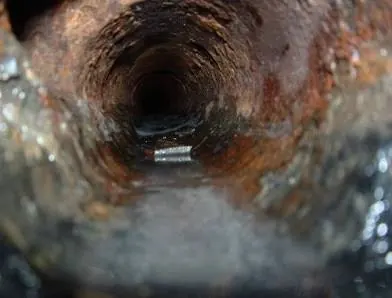
A useful change order states where the condition was found, how it differs from the assumed scope and which photographs or footage support the conclusion. The goal is to turn an observation into a defined planning question instead of letting one label decide the entire project.
Statements such as bad pipe continued should be replaced with measurable limits and observed conditions. The owner should understand whether the issue is corrosion, an offset, an unknown branch, depth or access. Ask the contractor to state how this condition was identified, what evidence supports it and what additional access could change the conclusion.
The contractor should distinguish confirmed evidence from a risk that requires additional investigation. Paying for a diagnostic step is different from approving the full corrective scope. The written scope should connect this issue to a repair limit, verification step and restoration responsibility so different proposals can be compared fairly.
Connect the discovery to a revised method
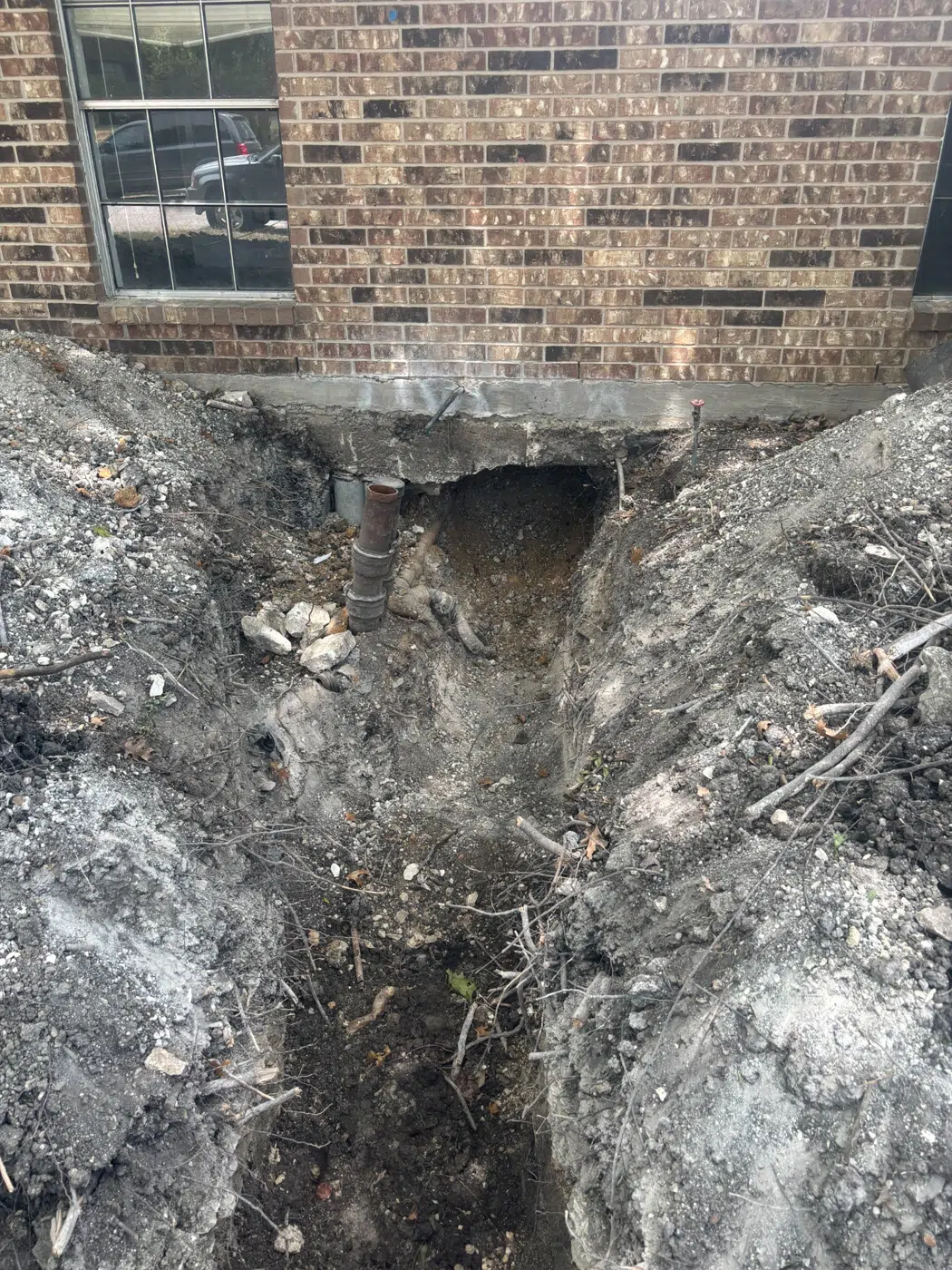
The document should explain why the original repair limit or access method no longer works. Added footage, fittings, excavation or restoration must connect to the actual discovery. The goal is to turn an observation into a defined planning question instead of letting one label decide the entire project.
Alternative responses may exist: stop at a sound transition, extend a section, change access or gather more evidence. The change order should record the chosen response and significant options declined. Ask the contractor to state how this condition was identified, what evidence supports it and what additional access could change the conclusion.
Local permit or inspection requirements may change when scope expands. Responsibility for revised documents, fees and scheduling should not be left for closeout. The written scope should connect this issue to a repair limit, verification step and restoration responsibility so different proposals can be compared fairly.
Inspection limitations belong in the decision
No camera, locator, water observation or visible opening describes every concealed condition. A reliable plan identifies what was reached, what was not reached, which dimensions are approximate and which assumptions could change after access begins. That is not a weakness in the report; it is essential information for controlling scope and change orders.
Price and schedule on the same basis
Break out added labor, materials, equipment, permits and restoration when practical. A lump sum can still be valid, but the scope must be detailed enough to show what the new total buys. The goal is to turn an observation into a defined planning question instead of letting one label decide the entire project.
State whether the change extends fixture shutdowns, inspections or occupancy restrictions. Time impact can matter as much as price in an occupied home. Ask the contractor to state how this condition was identified, what evidence supports it and what additional access could change the conclusion.
Deposits and progress payments should reference the signed change, but the blog does not provide payment instructions. The contract should govern authorization and billing. The written scope should connect this issue to a repair limit, verification step and restoration responsibility so different proposals can be compared fairly.
Photograph before covering the evidence
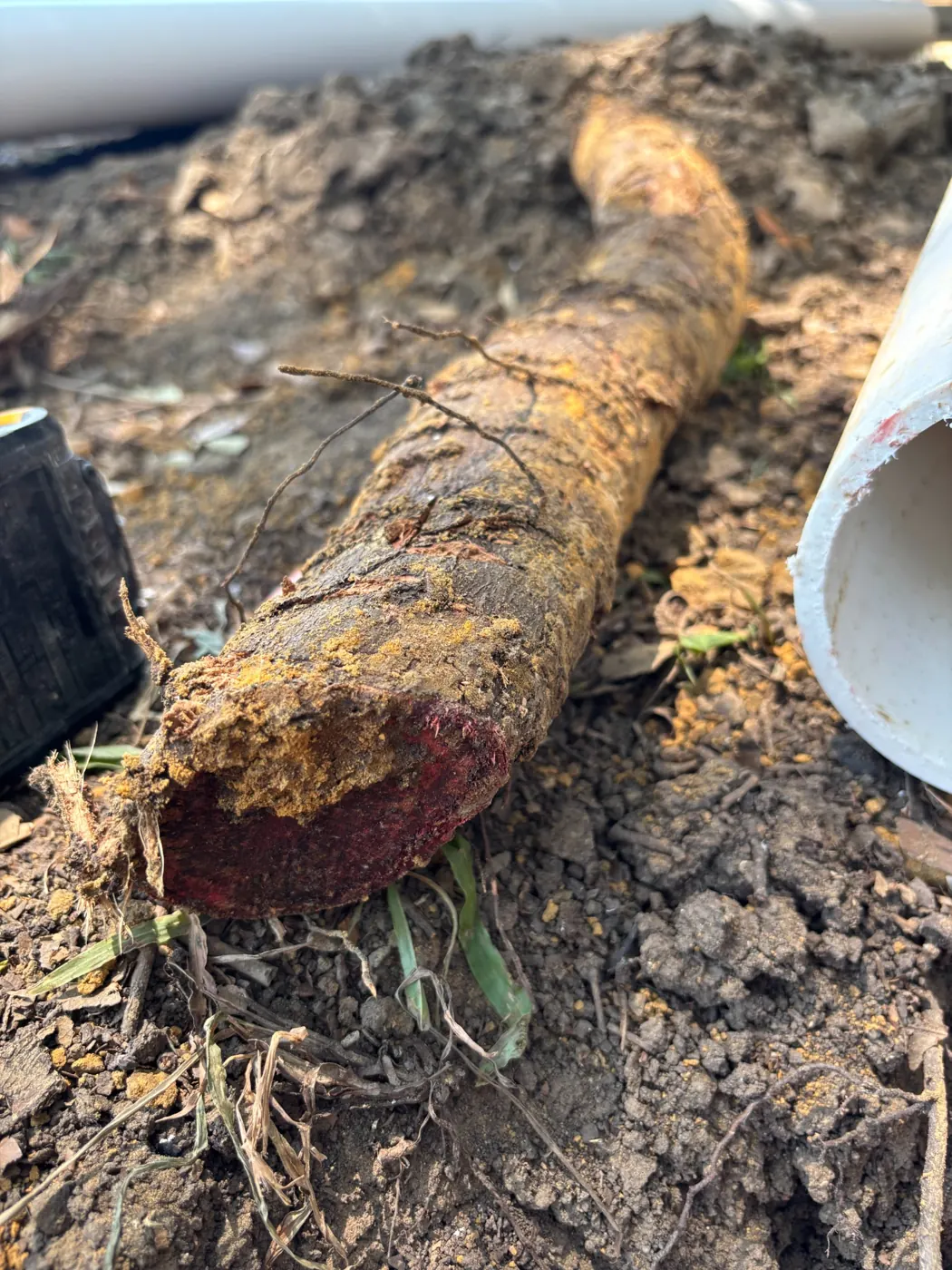
The discovered condition should be photographed in context and close-up before removal when safe. Include reference points so the image can be connected to the written location. The goal is to turn an observation into a defined planning question instead of letting one label decide the entire project.
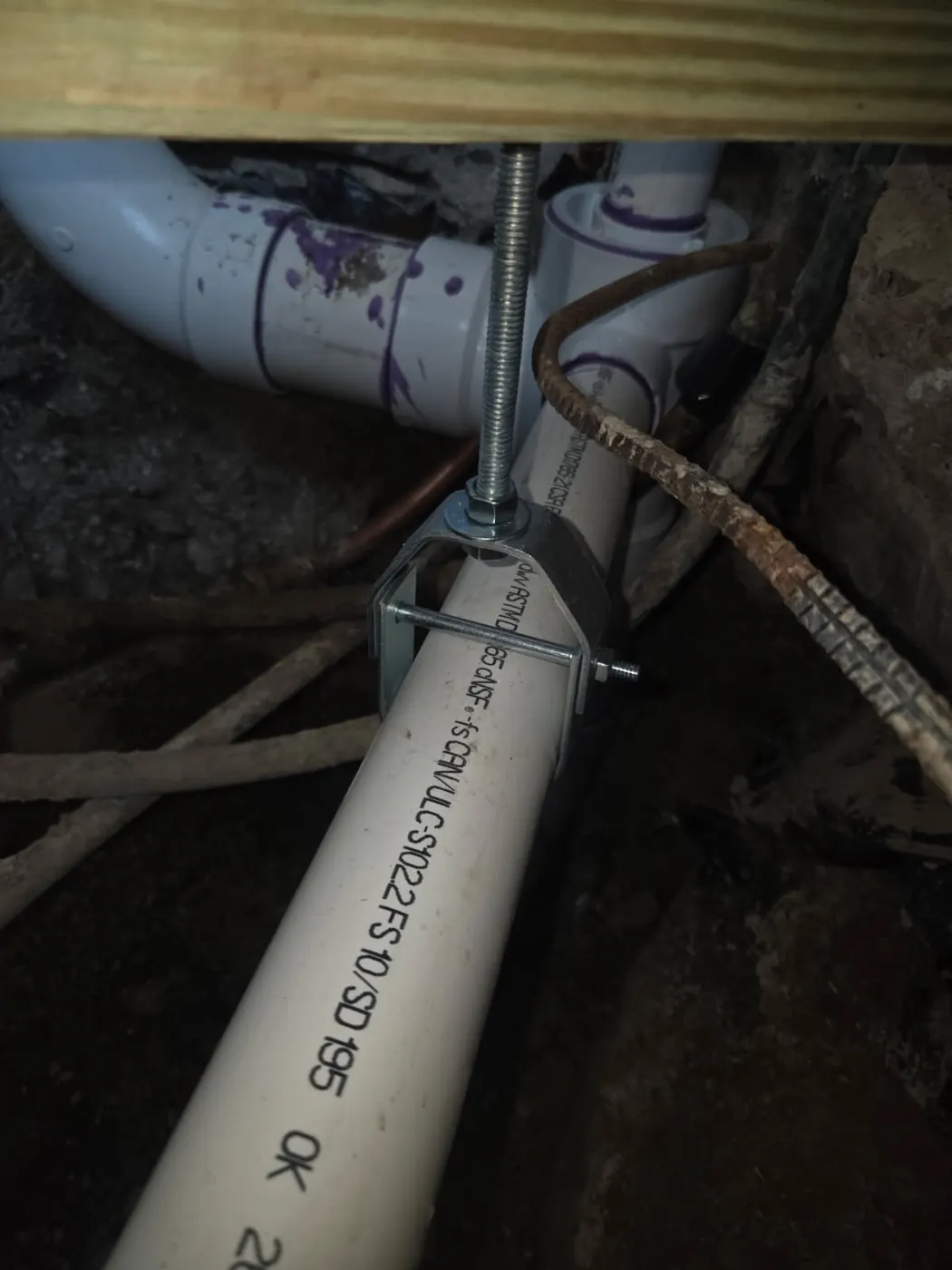
New work should also be documented before backfill or concrete. This confirms that the authorized response—not merely demolition—was completed. Ask the contractor to state how this condition was identified, what evidence supports it and what additional access could change the conclusion.
If an emergency condition requires immediate stabilization, record what was necessary and communicate promptly. Emergency action should not become a reason to leave the expanded permanent scope undefined. The written scope should connect this issue to a repair limit, verification step and restoration responsibility so different proposals can be compared fairly.
Close the change into the final record
The final invoice and as-built sketch should incorporate every approved change rather than leaving a stack of disconnected forms. The goal is to turn an observation into a defined planning question instead of letting one label decide the entire project.
Update camera labels, replacement limits, remaining original pipe and restoration responsibilities. A future technician should see the final system, not the original plan only. Ask the contractor to state how this condition was identified, what evidence supports it and what additional access could change the conclusion.
Retain permits, inspection results, photographs, videos and signed changes together. This package supports warranty questions and future service without inventing outcomes. The written scope should connect this issue to a repair limit, verification step and restoration responsibility so different proposals can be compared fairly.
Method comparison for cast iron sewer replacement change orders
Method suitability depends on condition, grade, depth, access, branch connections, layout and local requirements. The table compares planning categories; it does not select a method for a property without inspection.
Unit-price allowance
Best fit: Repeatable work with clearly defined units
Potential advantage: Can price added measured quantity
Important limit: Must define unit and included work
Fixed change order
Best fit: Known added scope after discovery
Potential advantage: Clear total before proceeding
Important limit: Needs detailed limits and exclusions
Diagnostic authorization
Best fit: Condition needs more evidence first
Potential advantage: Separates investigation from repair
Important limit: Does not authorize permanent correction
Emergency stabilization
Best fit: Immediate damage or sanitation risk
Potential advantage: Controls urgent condition
Important limit: Permanent scope still needs documentation
Cost factors without unsupported averages
A responsible estimate should be based on the actual route and written inclusions. Major cost drivers for this topic include:
- Added pipe length and fittings. Ask how it changes labor, materials, access, inspections or restoration.
- Changed access or excavation depth. Ask how it changes labor, materials, access, inspections or restoration.
- Additional branches and transitions. Ask how it changes labor, materials, access, inspections or restoration.
- Permit or inspection revisions. Ask how it changes labor, materials, access, inspections or restoration.
- Extended service interruption. Ask how it changes labor, materials, access, inspections or restoration.
- Surface and finish restoration. Ask how it changes labor, materials, access, inspections or restoration.
Compare permits, required inspections, testing, surface protection, haul-off, backfill, concrete and finish restoration on the same basis. If concealed conditions can change the work, require a documented authorization process rather than an open-ended allowance.
For official context, Dallas identifies its adopted plumbing-code framework and local amendments on the Current City Code page and lists plumbing inspection stages on its Required Inspections page. Those Dallas sources do not establish requirements in another city; verify the property’s authority having jurisdiction.
Steven Shipler authority and editorial approach
Steven Shipler, MBA, is the author of this CISRS educational guide. The article is organized around field-verifiable evidence, clear limits and written scopes. It does not claim that a particular customer, address or completed project produced the examples, and it does not make an unverified statement about current license status.
For planning questions, call or text 972-333-5448 or email STShipler@gmail.com. CISRS is located at 270 S. Watters Road, Suite 168, Allen, TX 75013.
North Texas service areas
CISRS publishes location-specific planning pages for these confirmed service areas. The first link leads to the Plano cast iron sewer replacement page.
Frequently asked questions
What should trigger a change order?
A material change from the agreed scope, price, schedule, access or restoration should be documented. Minor field coordination within the original work may not require one, but the contract should define that boundary.
Can a contractor proceed before I sign?
Emergency stabilization may require prompt action, while ordinary expanded work should be authorized according to the contract. The change process should explain who can approve and how communication occurs when the owner is unavailable.
What evidence should accompany the change?
Use labeled photographs, camera footage, measurements, route marks and an explanation of how the condition differs from the original assumption. Evidence should show context, not only a close-up image.
Is extra footage enough description?
No. Added length should identify start and end points, pipe and fittings, branches, access, testing and restoration. Footage alone does not show why the extension is needed or what remains.
How should schedule impact be stated?
Record added workdays, fixture shutdowns, inspection dependencies and restoration effects where known. If timing is uncertain, state the event that controls the next update rather than promising an unsupported completion date.
What belongs in the final invoice?
The final invoice should reconcile the original contract and approved changes, showing the current total and completed scope. It should not introduce previously unauthorized work without an explanation and supporting agreement.
How do change orders help future service?
When merged into an as-built record, they show where the route changed, what pipe remains, which fittings were installed and why the final layout differs from the original plan.
Build the scope around evidence
Call or text to discuss inspection findings, access choices and the questions that should be answered before cast iron sewer work begins.