Remaining Cast Iron Sewer Pipe: Document What Stays
October 4, 2026
Educational Guide • October 4, 2026
Remaining Cast Iron Sewer Pipe: Document What Stays
A partial sewer replacement can be appropriate, but the value of the work depends on knowing exactly what was replaced, what remains and how the two systems connect. This guide explains how homeowners can turn a repair limit into a durable record for maintenance, future inspections and later project decisions.
Quick answer
When any cast iron sewer pipe remains after a project, require a route map, footage or measurements, connection locations, materials, test results and clear limits for restored areas. A partial replacement should solve a defined problem without creating ambiguity about the condition, grade or access needs of the piping left in service.
Use this guide to
- separate findings from assumptions
- compare access and repair choices
- understand cost drivers without unsupported averages
- request useful testing and closeout records
remaining cast iron sewer pipe: Why the remaining-pipe record matters
A proposal may describe a kitchen line, building drain segment or branch as the project limit, but that label alone does not show the physical transition point. A useful record ties the limit to rooms, cleanouts, exterior references and measured distances so a future technician can find it without reopening finished surfaces. The goal is to turn an observation into a defined planning question instead of letting one label decide the entire project.
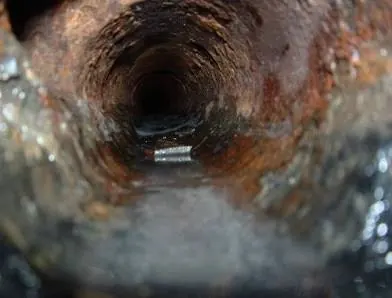
Partial work also changes the inspection question. New pipe may perform as intended while older cast iron still has scale, joint movement, corrosion or grade concerns. Those conditions should not be assigned to the new work, and the new work should not be used to imply that every concealed section was evaluated. Ask the contractor to state how this condition was identified, what evidence supports it and what additional access could change the conclusion.
The record becomes especially important when ownership changes. A buyer, seller, insurer or later contractor needs facts rather than a memory of where work stopped. Photographs, camera observations and a simple route diagram preserve context that an invoice title cannot. The written scope should connect this issue to a repair limit, verification step and restoration responsibility so different proposals can be compared fairly.
Define the repair limit before access begins
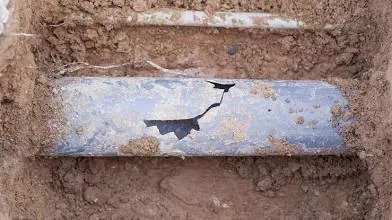
Mark the proposed upstream and downstream endpoints on a sketch before demolition or excavation. Identify each branch expected to reconnect, any cleanout to be added and any area that remains inaccessible. If the endpoint changes during work, the updated limit should be authorized and recorded. The goal is to turn an observation into a defined planning question instead of letting one label decide the entire project.
A camera counter can help estimate distance, but it is not a survey instrument and can vary with bends, push technique and equipment. Combine footage with surface references, locator information where usable and photographs of exposed transitions. State when a location is approximate. Ask the contractor to state how this condition was identified, what evidence supports it and what additional access could change the conclusion.
The scope should say who decides whether a discovered fitting, offset or deteriorated adjacent section changes the limit. It should also say how the condition will be documented and how price or restoration changes will be approved before extra work proceeds. The written scope should connect this issue to a repair limit, verification step and restoration responsibility so different proposals can be compared fairly.
Document every old-to-new connection
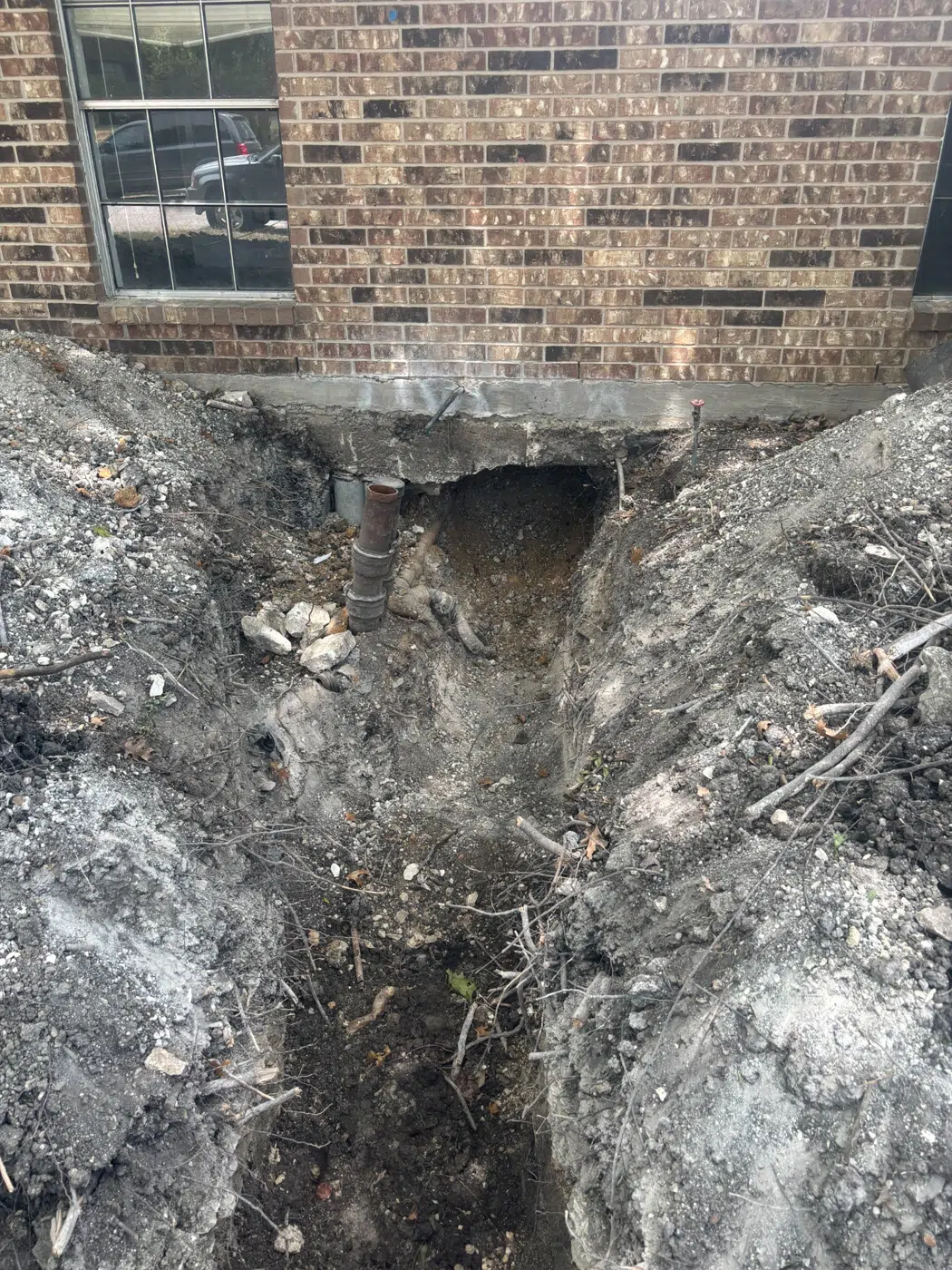
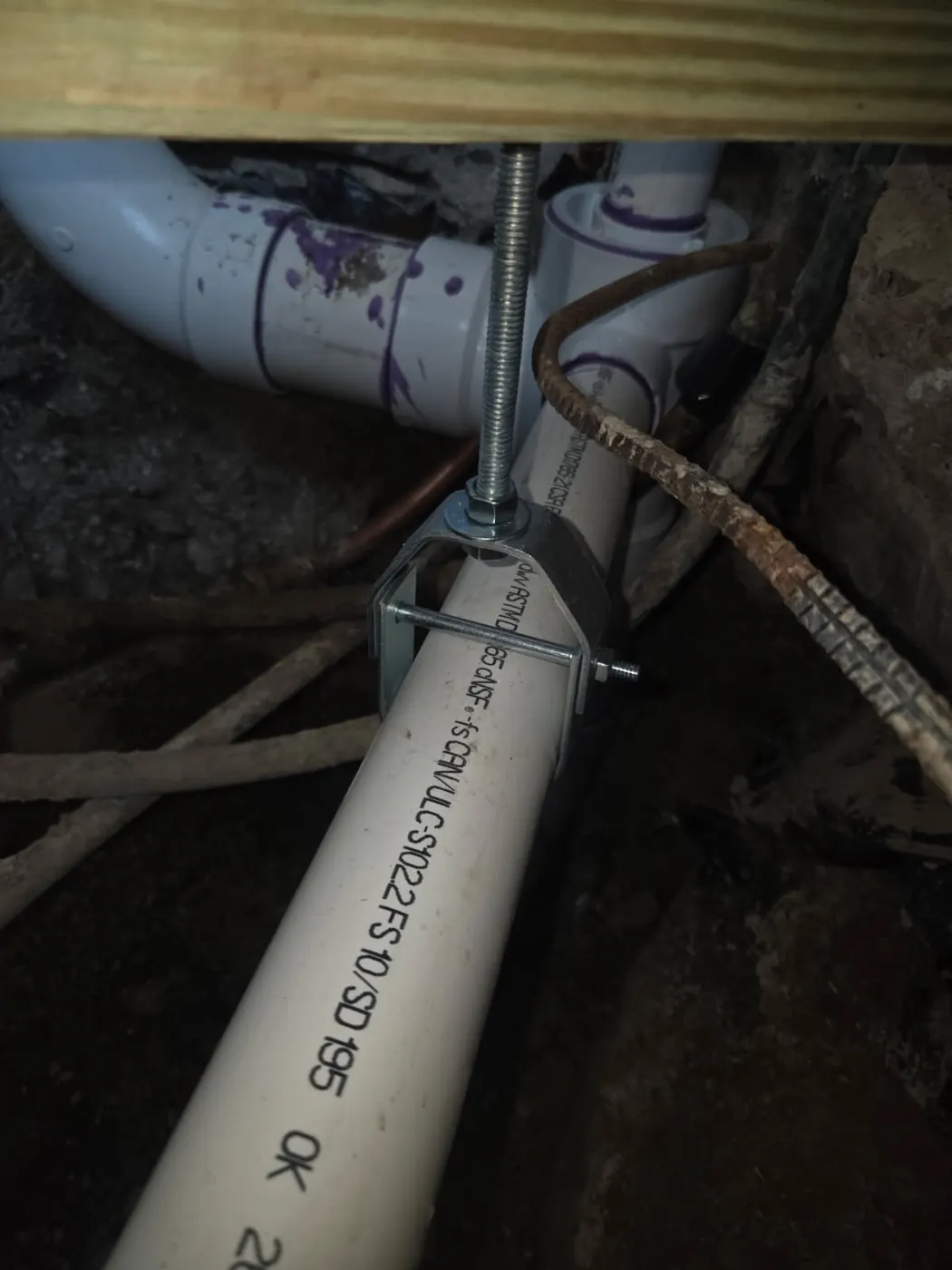
An old-to-new transition is more than a material change. Alignment, support, fitting geometry, branch orientation and the condition of the retained pipe near the connection all affect how the assembly should be evaluated. Photograph the connection before it is concealed from several useful angles. The goal is to turn an observation into a defined planning question instead of letting one label decide the entire project.
Record the nominal pipe sizes and the joining method described in the approved scope. Do not infer a connection type from a distant camera view. When the joint is exposed, the closeout file can show the actual components without claiming more than the image proves. Ask the contractor to state how this condition was identified, what evidence supports it and what additional access could change the conclusion.
Where local inspection is required, keep the inspection result with the project documents. A passed inspection addresses the items within that authority and stage; it is not a warranty that every inaccessible foot of remaining pipe is defect-free. The written scope should connect this issue to a repair limit, verification step and restoration responsibility so different proposals can be compared fairly.
Inspection limitations belong in the decision
No camera, locator, water observation or visible opening describes every concealed condition. A reliable plan identifies what was reached, what was not reached, which dimensions are approximate and which assumptions could change after access begins. That is not a weakness in the report; it is essential information for controlling scope and change orders.
Separate new-work verification from old-pipe condition
Testing should answer a defined question. A water test, flow observation or camera pass may help verify the replaced route, but each has limits. The report should identify the test boundary, access point, observed result and any portion that could not be seen or isolated. The goal is to turn an observation into a defined planning question instead of letting one label decide the entire project.
A post-work camera record is more useful when it begins at a recognizable access point and notes branches, fittings and the old-to-new transition. Clean water, glare, bends and deposits can obscure details, so the operator should identify uncertain observations instead of forcing a diagnosis. Ask the contractor to state how this condition was identified, what evidence supports it and what additional access could change the conclusion.
If older pipe remains, document its visible condition separately. A retained segment may continue serving, may need monitoring or may justify a later phase. Those choices depend on evidence, property priorities and access—not simply the age of the material. The written scope should connect this issue to a repair limit, verification step and restoration responsibility so different proposals can be compared fairly.
Plan access and maintenance for the retained system
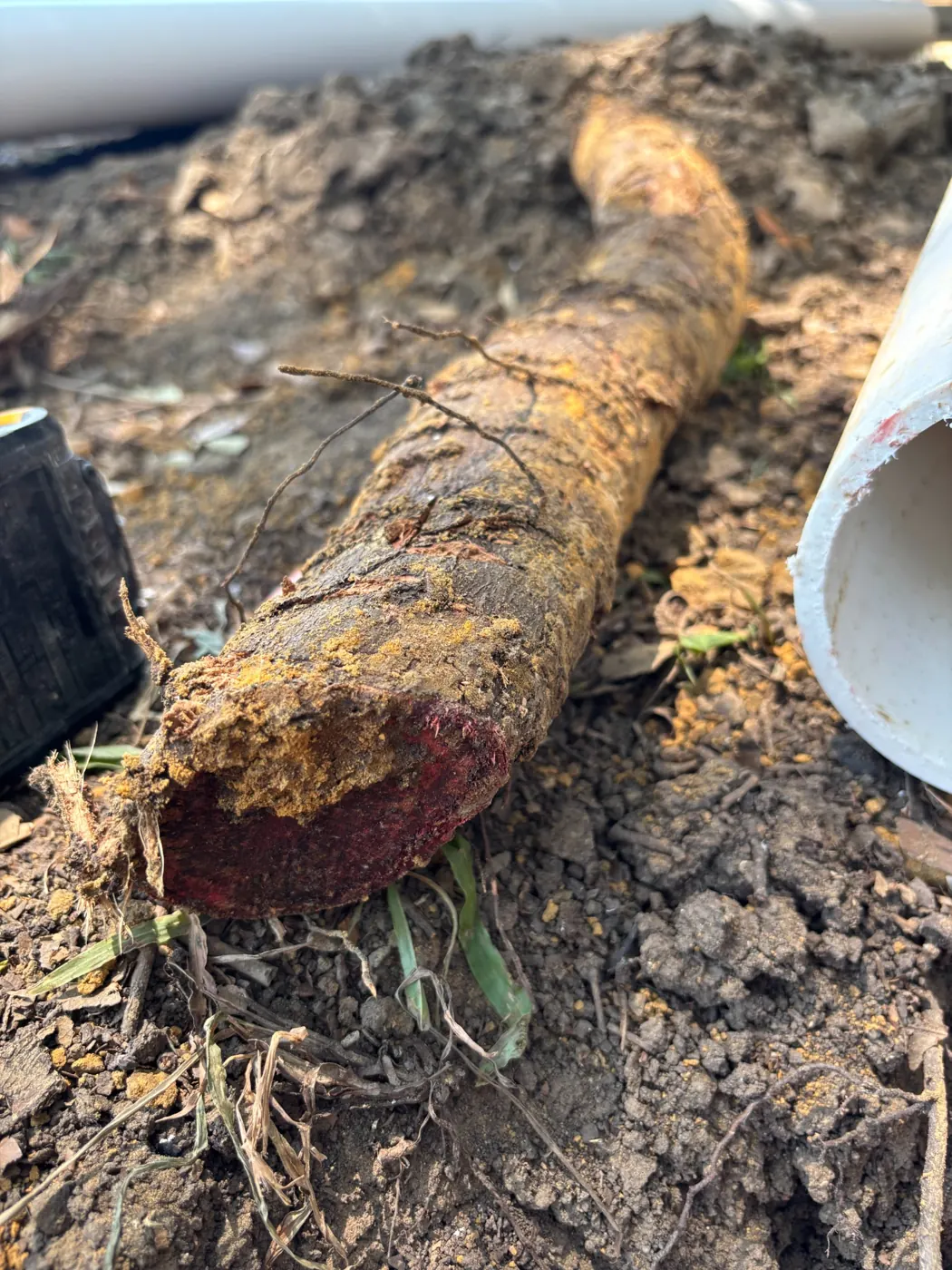
Cleanout placement should support the actual route that remains. A new cleanout can improve access, but it does not automatically provide a view through every branch or bend. The closeout sketch should show which directions can be reached and where access remains limited. The goal is to turn an observation into a defined planning question instead of letting one label decide the entire project.
Future maintenance is easier when occupants know what not to cover. Record cleanout caps, exterior access points and any interior panels before landscaping, cabinetry or finish work hides them. Keep measurements from permanent references rather than movable furniture. Ask the contractor to state how this condition was identified, what evidence supports it and what additional access could change the conclusion.
A monitoring plan can specify what would justify a new evaluation, such as recurring stoppages, unexplained odor, drainage changes or evidence of movement. It should not promise that scheduled camera work can predict every failure. The written scope should connect this issue to a repair limit, verification step and restoration responsibility so different proposals can be compared fairly.
Build a closeout package that remains useful
A practical package includes the signed scope, approved changes, permits or inspection records when applicable, before-and-after route sketches, labeled photographs, test notes, camera files or links, restoration limits and contact information. File names should identify the view and date rather than rely on an unsearchable photo roll. The goal is to turn an observation into a defined planning question instead of letting one label decide the entire project.
Ask for plain-language notes explaining assumptions and unresolved areas. If a branch was not accessible or a pipe section was outside the work area, the record should say so. Clear limits protect the homeowner and the contractor from later misunderstandings. Ask the contractor to state how this condition was identified, what evidence supports it and what additional access could change the conclusion.
Store a digital copy with property records and a second copy somewhere independent of the phone used during the project. A future technician should be able to understand the route, transition points and unanswered questions without depending on the original crew’s memory. The written scope should connect this issue to a repair limit, verification step and restoration responsibility so different proposals can be compared fairly.
Method comparison for remaining cast iron sewer pipe
Method suitability depends on condition, grade, depth, access, branch connections, layout and local requirements. The table compares planning categories; it does not select a method for a property without inspection.
Targeted partial replacement
Best fit: A defined failed segment with usable retained pipe and clear endpoints
Potential advantage: Limits access and restoration to the documented area
Important limit: Requires reliable transition points and does not evaluate every concealed section
Broader replacement phase
Best fit: Several connected concerns or uncertain adjacent conditions
Potential advantage: Can reduce the number of old-to-new transitions within the phase
Important limit: More access and restoration may be required
Reroute evaluation
Best fit: Existing route has difficult access or a viable alternate path
Potential advantage: May relocate future access away from sensitive finishes
Important limit: Grade, branches, structure, utilities and local requirements can limit feasibility
Cost factors without unsupported averages
A responsible estimate should be based on the actual route and written inclusions. Major cost drivers for this topic include:
- Length and exact endpoints of the replacement phase. Ask how it changes labor, materials, access, inspections or restoration.
- Number and complexity of retained branch connections. Ask how it changes labor, materials, access, inspections or restoration.
- Depth, route and accessibility of the transition points. Ask how it changes labor, materials, access, inspections or restoration.
- Testing, camera documentation and locating needs. Ask how it changes labor, materials, access, inspections or restoration.
- Permit and inspection requirements for the property. Ask how it changes labor, materials, access, inspections or restoration.
- Floor, slab, landscape and finish restoration responsibilities. Ask how it changes labor, materials, access, inspections or restoration.
Compare permits, required inspections, testing, surface protection, haul-off, backfill, concrete and finish restoration on the same basis. If concealed conditions can change the work, require a documented authorization process rather than an open-ended allowance.
For official context, Dallas identifies its adopted plumbing-code framework and local amendments on the Current City Code page and lists plumbing inspection stages on its Required Inspections page. Those Dallas sources do not establish requirements in another city; verify the property’s authority having jurisdiction.
Steven Shipler authority and editorial approach
Steven Shipler, MBA, is the author of this CISRS educational guide. The article is organized around field-verifiable evidence, clear limits and written scopes. It does not claim that a particular customer, address or completed project produced the examples, and it does not make an unverified statement about current license status.
For planning questions, call or text 972-333-5448 or email STShipler@gmail.com. CISRS is located at 270 S. Watters Road, Suite 168, Allen, TX 75013.
North Texas service areas
CISRS publishes location-specific planning pages for these confirmed service areas. The first link leads to the Plano cast iron sewer replacement page.
Frequently asked questions
Is a partial cast iron sewer replacement automatically a temporary repair?
No. Suitability depends on the defined problem, the condition of retained piping, connection details, grade, access and local requirements. The scope should explain why the selected limit is appropriate.
How should the contractor show where new pipe ends?
Use a route sketch, measured references, labeled photographs and camera or locator notes where applicable. State whether measurements are exact or approximate.
Does a new PVC section mean the whole sewer is now PVC?
No. The closeout record should identify the new material and clearly show every known section of cast iron or other piping that remains.
Can a camera prove all remaining cast iron is good?
No. A camera shows reachable interior surfaces under the conditions of the inspection. It may not establish wall thickness, soil support, exterior corrosion or conditions beyond obstructions and bends.
Should old-to-new transitions be photographed?
Yes, when exposed and permitted by site conditions. Labeled photographs can document alignment, components and location before the connection is concealed.
What if the repair endpoint changes after opening the floor?
Require documentation of the discovered condition, an updated limit and written authorization for related scope, cost and restoration changes before proceeding when practical.
What records should stay with the property?
Keep the contract, changes, route map, photos, test notes, camera media, permits or inspection records when applicable, warranties and a list of remaining limitations.
Build the scope around evidence
Call or text to discuss inspection findings, access choices and the questions that should be answered before cast iron sewer work begins.