Cast Iron Sewer Replacement Near Mature Trees: Route Planning
October 6, 2026
Cast Iron Sewer Replacement Near Mature Trees: Route Planning
Cast iron sewer replacement near mature trees requires balancing pipe condition, grade, branch connections, root zones, equipment access, excavation safety, and restoration. Roots may enter existing defects, but removing every nearby tree is not automatically necessary. A camera, surface locate, site measurements, and an access plan should guide the route.
Quick Summary
Cast iron sewer replacement near mature trees requires balancing pipe condition, grade, branch connections, root zones, equipment access, excavation safety, and restoration. Roots may enter existing defects, but removing every nearby tree is not automatically necessary. A camera, surface locate, site measurements, and an access plan should guide the route.
cast iron sewer replacement near mature trees is not one standardized job. The appropriate method depends on confirmed pipe condition, grade, depth, access, branch connections, layout, surrounding structures, restoration, and locally applicable requirements. This article is educational and does not describe a particular customer or completed project.
Start With the Sewer Evidence, Not the Tree
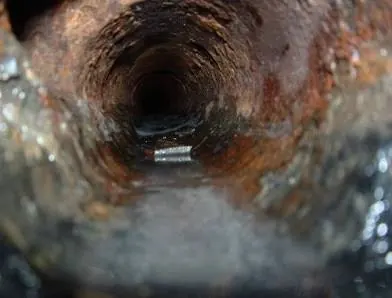
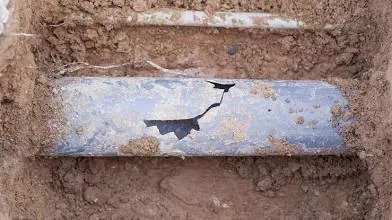
Mature landscaping can make a sewer problem feel obvious: roots appear on camera, so the tree must be the entire cause. The more useful conclusion is narrower. Roots show that an opening exists somewhere in the pipe system. The opening may be a separated joint, crack, missing section, failed transition, or connection defect. The camera should document the condition of pipe before and after the root entry, not merely the root mass.
A replacement plan should identify every branch that must reconnect, the direction of flow, the route to the building exit or public connection, and any sections that remain. Surface locating helps translate camera footage into a working site map. It is still an estimate, so paint marks should be tied to fixed measurements and confirmed during careful exposure.
Map the Root Zone and the Work Zone Separately
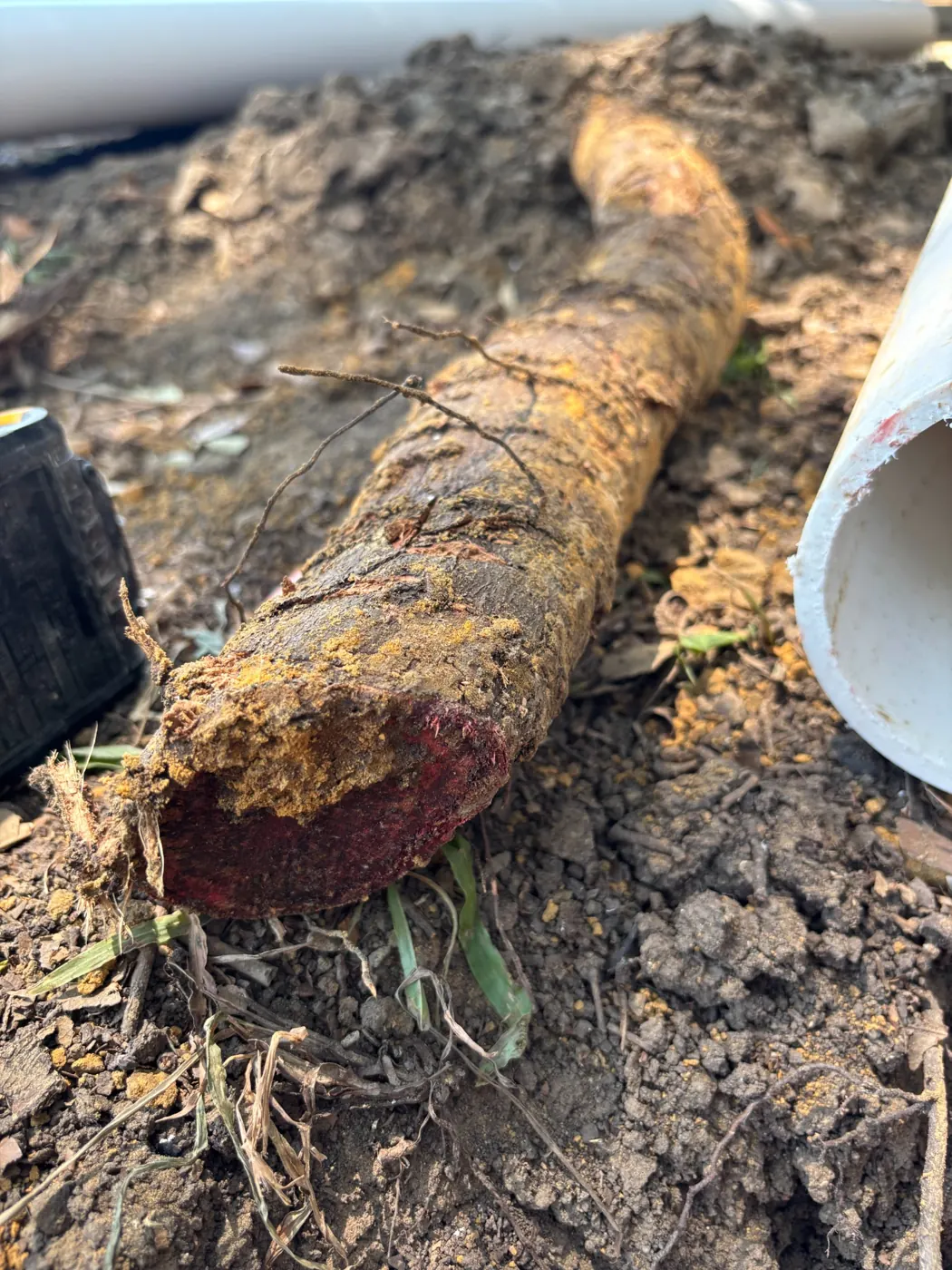
The sewer route and the tree-protection area are different layers of the same plan. Record trunk locations, major surface roots, canopy limits, grades, irrigation, fences, gates, hardscape, utilities, and equipment paths. The goal is to avoid treating the yard as an empty construction site while also avoiding a route that cannot maintain dependable sewer grade.
An arborist may be appropriate when proposed excavation approaches significant roots or when tree stability is uncertain. The sewer contractor should not promise that a trench will have no effect on a tree, and the tree adviser should not select a sewer method without the pipe data. Coordination is most useful when each professional works from the same marked route, depths, and access assumptions.
Compare Direct Replacement, Reroute and Limited Access
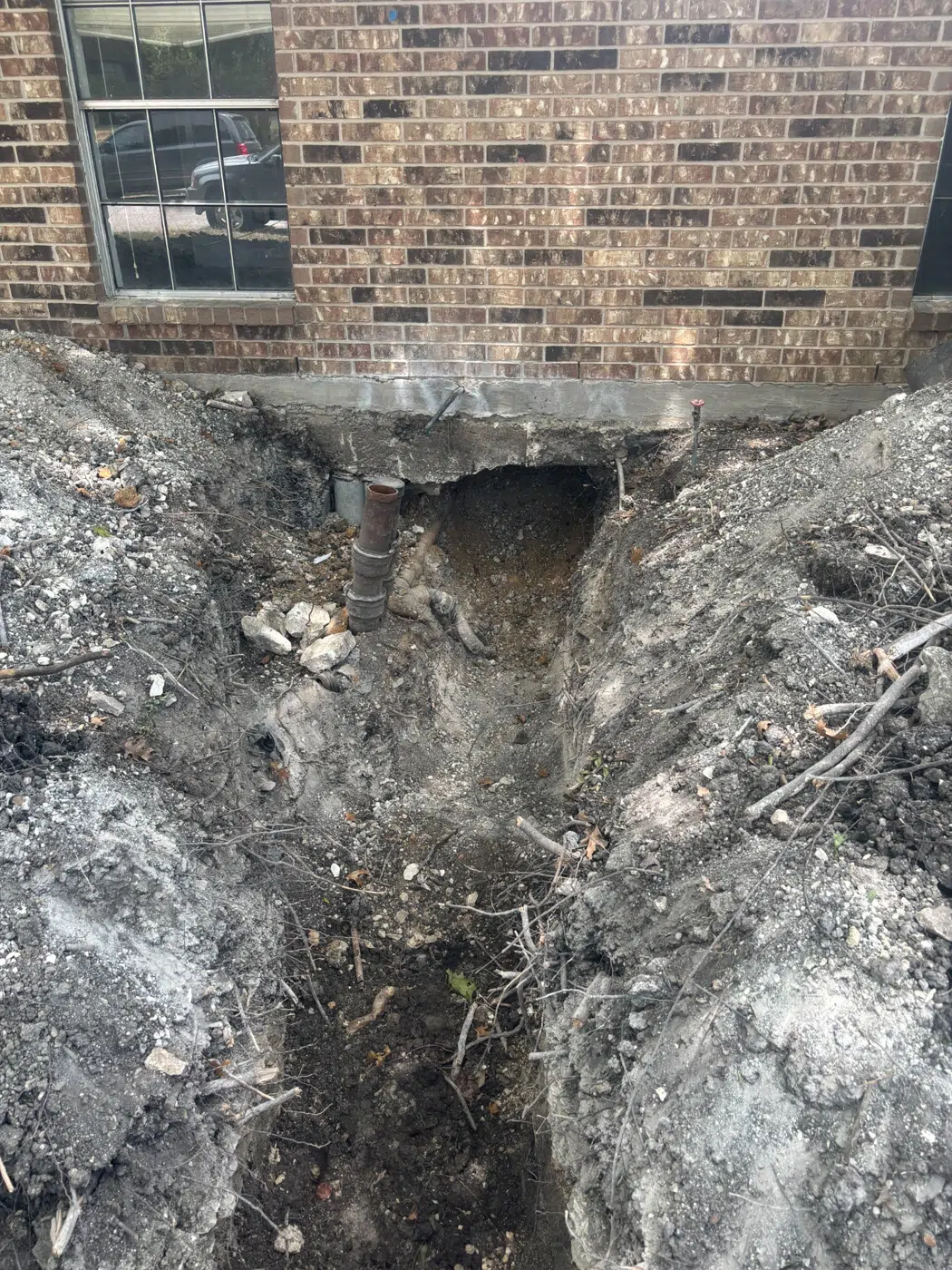
Direct replacement may make sense when the failed pipe lies in an accessible corridor and the surrounding route can be excavated safely. A reroute may reduce conflicts with roots, patios, or the slab, but it must still connect all required branches, preserve slope, remain serviceable, and meet local requirements. A longer route is not automatically worse if it creates dependable access and grade.
Limited access or trenchless methods are not universal solutions. Suitability depends on host-pipe structure, diameter, cleaning ability, offsets, branch connections, grade, and access pits. A method that preserves one surface may require larger openings elsewhere. The written comparison should identify what each option preserves, what it disturbs, and what it cannot correct.
Plan Excavation Without Guessing at Utilities
Texas 811 notification is an important public-utility step, but private lines can remain. Irrigation, pool piping, landscape lighting, gas branches, electrical feeders, and private communication lines may cross the route. The work plan should identify known utilities, expected crossings, hand-exposure areas, soil handling, and how open excavations will be protected.
OSHA identifies cave-ins as the principal trenching hazard and describes protective systems and safe access requirements. Homeowners should not enter an excavation or direct workers into an unsupported trench. The contractor determines protection based on depth, soil, water, surcharge loads, adjacent structures, and site conditions.
Protect Grade, Support and Future Access
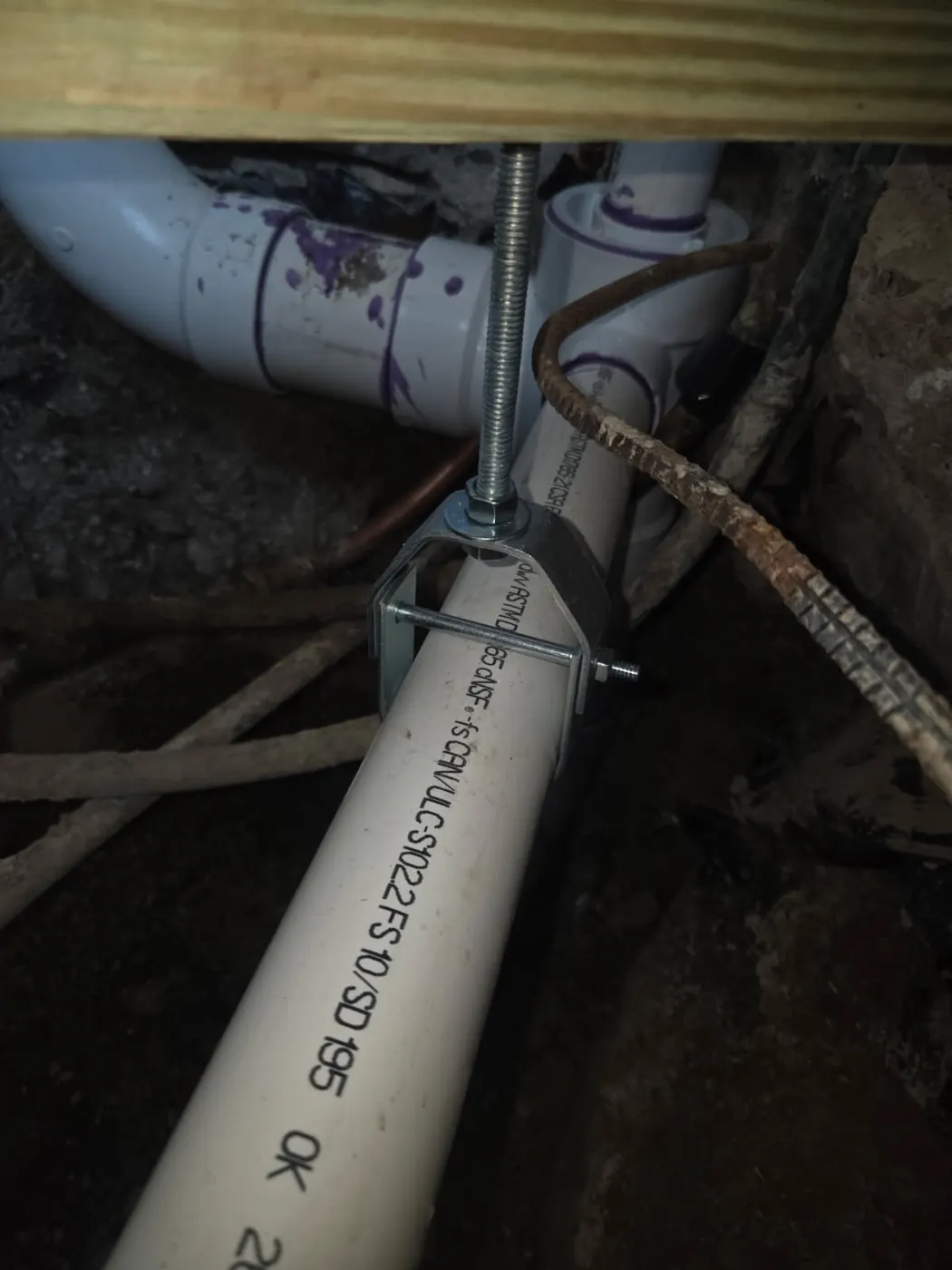
A root-avoidance route that loses grade is not a dependable route. Elevations should be checked at critical points, especially where branches reconnect or the route crosses existing utilities. Bedding and support matter because new plastic pipe responds differently to point loads, voids, and poor backfill than old cast iron.
Future access deserves attention before restoration. Cleanout locations should be reachable, protected from damage, and documented. A simple route sketch with measurements to fixed features, photographs of connections before backfill, and final camera or flow verification can reduce uncertainty for the next owner or service provider.
Define Restoration and Tree Follow-Up
Restoration should distinguish trench backfill, compaction, topsoil, irrigation repair, sod, planting, fence access, hardscape, and tree care. Replacing soil exactly as it came out may not recreate the pre-work condition, especially when roots, water, or unsuitable material affected the excavation.
The closeout should record what tree-protection measures were used and what limitations remain. A sewer contractor should not guarantee tree health, and an arborist should not guarantee underground pipe performance. Clear responsibilities and documentation are more useful than unsupported promises.
Method Comparison for cast iron sewer replacement near mature trees
| Approach | When it may fit | What must be verified |
|---|---|---|
| Direct excavation | Confirmed defect is accessible and adjacent pipe is suitable for a defined replacement | Root conflict, trench protection, grade, utilities, restoration |
| Exterior reroute | A new path can reconnect branches and maintain grade with better access | Route length, easements, cleanouts, crossings, future service |
| Limited interior access | A short under-slab section can be reached with controlled openings | Finish protection, branch locations, structural limits, restoration |
| Rehabilitation method | Host pipe can be cleaned and structurally supports the selected system | Offsets, missing pipe, diameter, branches, access pits, warranties |
No method is automatically best. Ask the contractor to connect the recommendation to camera findings, route, elevations, access, branch locations, testing, and restoration—not only to the name of the method.
Discuss the Scope Before Access Begins
Call or text CISRS to organize the inspection evidence, route, access options, and questions that should be answered before replacement work begins.
Cost Factors—Without Unsupported Averages
A useful estimate describes the work rather than relying on a universal price per foot. Confirm what is included, what is excluded, which assumptions are concealed, and what would trigger a change order.
| Factor | Why it changes the scope |
|---|---|
| Depth and total route length | Changes access, labor, coordination, risk, testing, restoration, or the amount of pipe included. Confirm it from the property rather than assuming an average. |
| Number of branch reconnections | Changes access, labor, coordination, risk, testing, restoration, or the amount of pipe included. Confirm it from the property rather than assuming an average. |
| Root-zone and arborist coordination | Changes access, labor, coordination, risk, testing, restoration, or the amount of pipe included. Confirm it from the property rather than assuming an average. |
| Equipment access and spoil handling | Changes access, labor, coordination, risk, testing, restoration, or the amount of pipe included. Confirm it from the property rather than assuming an average. |
| Utility crossings and excavation protection | Changes access, labor, coordination, risk, testing, restoration, or the amount of pipe included. Confirm it from the property rather than assuming an average. |
| Landscape, irrigation and hardscape restoration | Changes access, labor, coordination, risk, testing, restoration, or the amount of pipe included. Confirm it from the property rather than assuming an average. |
Inspection and Service Limitations
A sewer camera shows only the reachable interior view under conditions present during the inspection. Water, debris, scale, roots, bends, branch geometry, access, and camera orientation can obscure defects. Surface locating estimates signal position and depth; it is not a survey or guarantee of the exact excavation point.
Testing of new work does not certify inaccessible piping outside the defined scope. Permit, inspection, material, grade, connection, and restoration requirements should be confirmed with the authority having jurisdiction and manufacturer instructions for the actual project.
Primary Planning References
- Texas 811 for utility-notification information.
- OSHA Trenching and Excavation Safety for general excavation-hazard guidance.
- Texas State Board of Plumbing Examiners law and rules page for state regulatory references.
Local authorities may adopt and amend model requirements differently. Confirm the current city or jurisdiction rules for the project address.
North Texas Service Areas
CISRS serves homeowners planning cast iron sewer work in Allen, Plano, Richardson, Garland, Dallas, McKinney, Las Colinas/Irving, Fort Worth, and nearby North Texas communities. Visit the CISRS Resources page for related planning guides.
Frequently Asked Questions About cast iron sewer replacement near mature trees
Do roots mean the tree caused every sewer defect?
No. Roots exploit an opening. The pipe may already have a joint, crack, offset, missing section, or failed transition that allowed entry.
Must the tree be removed?
Not automatically. Tree removal depends on stability, root impacts, route options, and professional evaluation. A different sewer route or access method may be practical.
Can a camera show exact root locations?
It can document footage and visible entry points, but surface locating and site measurements are needed to estimate position and depth.
Is rerouting always safer for the tree?
No. A reroute can cross other major roots, utilities, or grade constraints. Compare the complete corridor, not just the first conflict.
Can roots damage new PVC?
Sound, properly supported connections are less inviting than open failed joints, but roots can still affect surrounding soil and access. Installation quality matters.
What should be photographed?
Document the existing route, exposed defects, branch connections, pipe support, cleanouts, testing, backfill stages, and restored areas.
Who decides excavation safety?
The employer or contractor responsible for the excavation must evaluate hazards and protective measures. Homeowners should remain outside protected work zones.
Plan the Next Step From Verified Conditions
Call or text CISRS to discuss camera findings, route, access, replacement options, testing, and documentation.
Field Verification Before a Route Is Approved
A route near mature trees should remain provisional until the visible surface plan is reconciled with the underground evidence. The camera distance, surface locate, cleanout position, building exit, branch direction and proposed connection point should tell one consistent story. If they do not, the uncertainty belongs in the scope instead of being hidden behind a simple line on a sketch.
The route review should also identify who will evaluate tree-protection limits, how equipment will enter and leave, where excavated material can be staged, and which surfaces need temporary protection. A practical plan accounts for irrigation, low-voltage lines, fences, drainage paths and neighboring improvements without assuming a utility locate identifies every private line.
Before work proceeds, the homeowner should have a written description of the selected route, the conditions that could require a change, the planned testing, and the restoration boundaries. That record makes later decisions easier to explain and helps separate verified conditions from allowances. The goal is not to promise that every root can be avoided. It is to choose a defensible route using the best available evidence and to define how unexpected conditions will be handled.