Sewer Replacement Permit and Inspection Checklist for DFW
October 6, 2026
Sewer Replacement Permit and Inspection Checklist for DFW
A sewer replacement permit and inspection checklist should identify the authority having jurisdiction, adopted requirements, contractor responsibility, utility notifications, approved plans, inspection stages, testing, concealment rules, and closeout records. DFW cities do not necessarily use identical procedures. Confirm the current city requirements for the property before work begins.
Quick Summary
A sewer replacement permit and inspection checklist should identify the authority having jurisdiction, adopted requirements, contractor responsibility, utility notifications, approved plans, inspection stages, testing, concealment rules, and closeout records. DFW cities do not necessarily use identical procedures. Confirm the current city requirements for the property before work begins.
sewer replacement permit and inspection checklist is not one standardized job. The appropriate method depends on confirmed pipe condition, grade, depth, access, branch connections, layout, surrounding structures, restoration, and locally applicable requirements. This article is educational and does not describe a particular customer or completed project.
Identify the Correct Authority Before Pricing the Process
The mailing city, postal city, service provider, and permitting authority are not always the same. Property boundaries, extraterritorial areas, utility districts, and special jurisdictions can change where questions belong. Start with the exact address and parcel, then confirm which department governs private sewer work and which utility owns the public connection.
Do not assume a neighboring city follows the same submittal, inspection, or contractor-registration process. Requirements can change, and model-code language is not the same as local adoption. The written estimate should either identify known administrative costs or state clearly that current permit and inspection requirements will be confirmed.
Separate Private Sewer Work From Utility Work
A homeowner’s building sewer and the public main are different systems with different access and authority. The proposed scope should identify the intended endpoint, existing cleanouts, property line, easements, city tap or lateral information, and any work expected in the right-of-way. A camera may approach a connection without proving ownership or exact legal location.
If the defect is near the public connection, the team may need additional records or utility coordination before excavation. The contractor should not represent a public asset as private work without confirmation. Likewise, a utility visit does not automatically inspect the entire private building sewer.
Build the Permit File From the Actual Scope
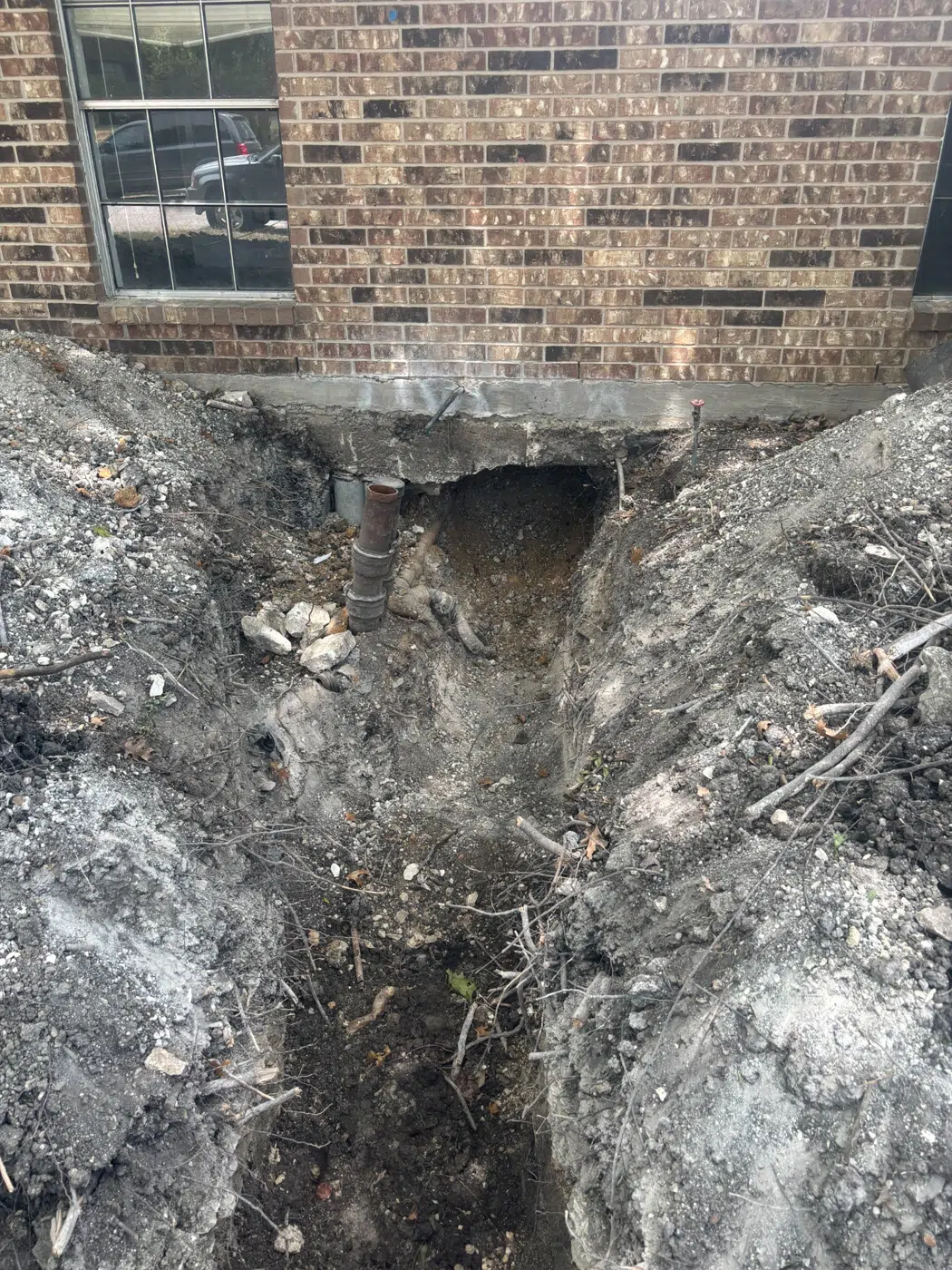
The permit file should match the work that will be performed. Useful items may include a route sketch, access points, pipe sizes and materials, connection details, cleanouts, method, length, property features, and responsible contractor information. Whether plans or additional reviews are required depends on the authority and project.
A vague permit description can create confusion when field conditions require a reroute, added branches, or a changed access method. Define how changes will be documented and whether revised approval is needed before concealment. The field crew and office should work from the same current scope.
Plan Utility Notification and Excavation Safety
Texas 811 provides notification for participating underground facility operators, but private facilities may require separate locating. Mark irrigation, pool systems, private gas or electric lines, landscape wiring, and other known private infrastructure. Preserve ticket information and site photographs.
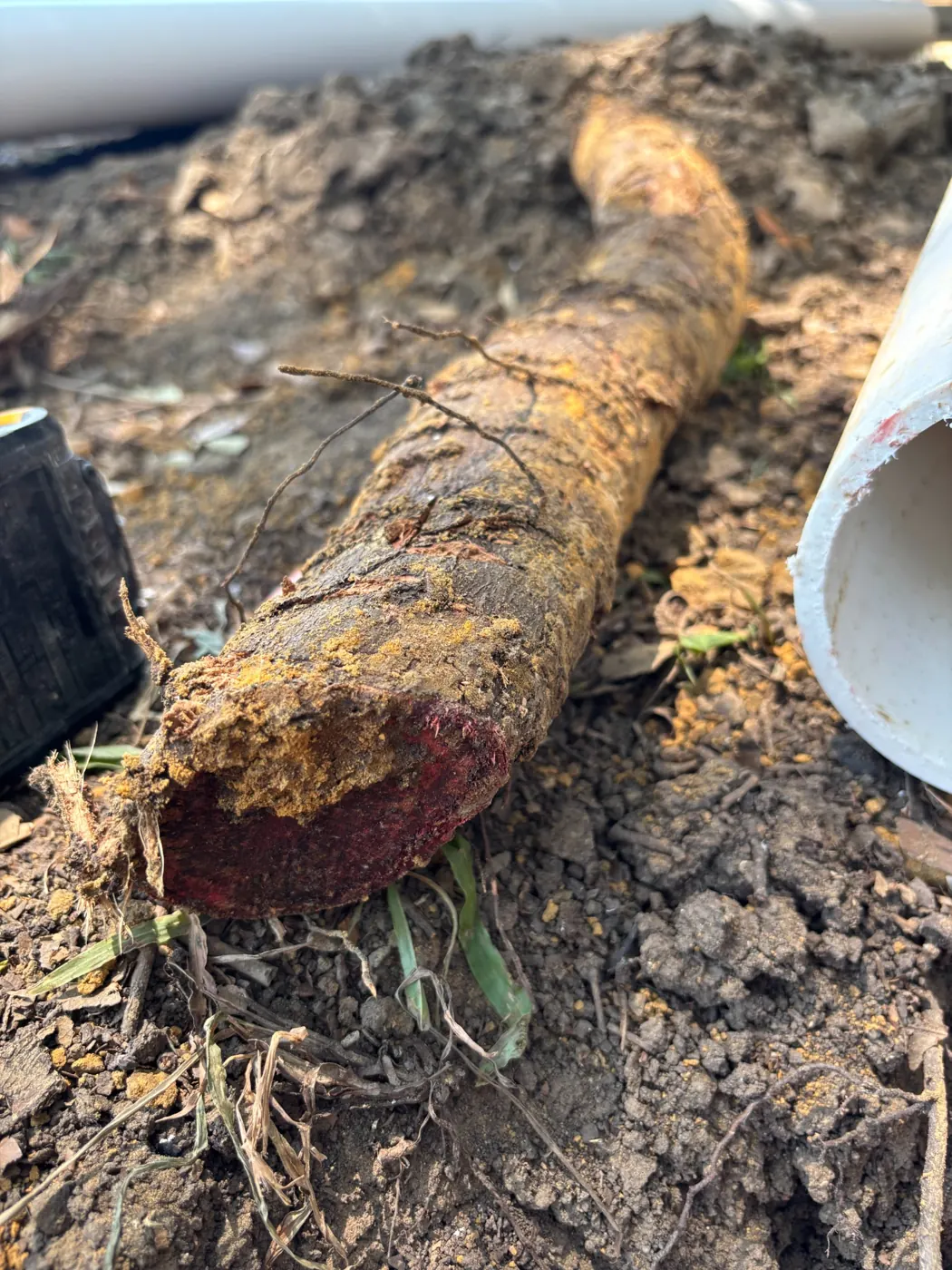
OSHA trenching guidance emphasizes cave-in hazards, protective systems, access and egress, spoil placement, water hazards, and competent-person responsibilities. Permit approval does not replace daily excavation-safety decisions. Homeowners should stay outside protected work zones and should not enter a trench to inspect the pipe.
Coordinate Inspection Stages and Testing
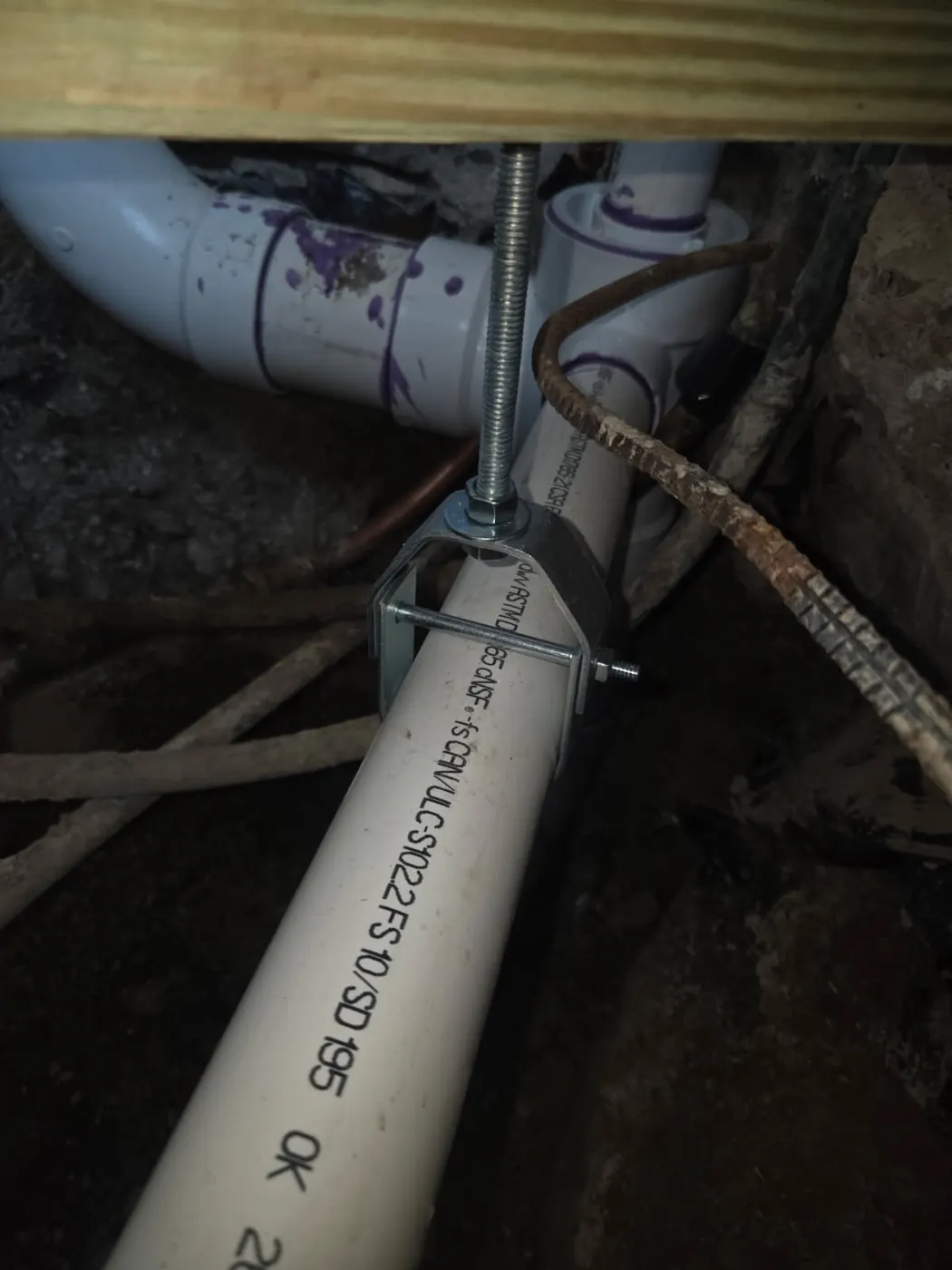
Ask which work must remain exposed and what test condition the inspector expects. A project can lose time if backfill or concrete placement occurs before a required inspection. The schedule should include reasonable space for inspection, correction, reinspection, and weather delays without implying that the authority’s arrival time is guaranteed.
Testing should match the applicable requirement and actual scope. Visual review, water or air testing, controlled flow, camera documentation, and connection inspection answer different questions. The closeout should state which tests were performed, conditions, results, and limitations.
Close the Permit and Preserve the Record
Completion is more than passing one field visit. Confirm final status, correction notices, required signatures, and any documents the owner should receive. Keep the permit number, approved documents, inspection results, photographs before concealment, material records, route measurements, and warranty terms.
The file should also identify what remained in service. A passed inspection of new work is not a certification of every inaccessible section of older piping. Clear boundaries protect future buyers, plumbers, inspectors, and the homeowner from assuming more than the project established.
Method Comparison for sewer replacement permit and inspection checklist
| Approach | When it may fit | What must be verified |
|---|---|---|
| Local permit review | Authority requires registration, scope information or plans before work | Address, contractor, route, method, adopted requirements |
| Utility coordination | Work approaches public connection, easement or right-of-way | Ownership, tap, access, traffic, restoration responsibility |
| Field inspection | Work must remain exposed for connection, grade or test review | Inspection stage, test condition, corrections, reinspection |
| Closeout documentation | Owner needs a durable record of approved completed work | Final status, photos, tests, route, materials, remaining pipe |
No method is automatically best. Ask the contractor to connect the recommendation to camera findings, route, elevations, access, branch locations, testing, and restoration—not only to the name of the method.
Discuss the Scope Before Access Begins
Call or text CISRS to organize the inspection evidence, route, access options, and questions that should be answered before replacement work begins.
Cost Factors—Without Unsupported Averages
A useful estimate describes the work rather than relying on a universal price per foot. Confirm what is included, what is excluded, which assumptions are concealed, and what would trigger a change order.
| Factor | Why it changes the scope |
|---|---|
| Permit and registration requirements | Changes access, labor, coordination, risk, testing, restoration, or the amount of pipe included. Confirm it from the property rather than assuming an average. |
| Plan or engineering needs | Changes access, labor, coordination, risk, testing, restoration, or the amount of pipe included. Confirm it from the property rather than assuming an average. |
| Number and timing of inspections | Changes access, labor, coordination, risk, testing, restoration, or the amount of pipe included. Confirm it from the property rather than assuming an average. |
| Right-of-way or utility coordination | Changes access, labor, coordination, risk, testing, restoration, or the amount of pipe included. Confirm it from the property rather than assuming an average. |
| Testing and correction work | Changes access, labor, coordination, risk, testing, restoration, or the amount of pipe included. Confirm it from the property rather than assuming an average. |
| Schedule impacts and documentation | Changes access, labor, coordination, risk, testing, restoration, or the amount of pipe included. Confirm it from the property rather than assuming an average. |
Inspection and Service Limitations
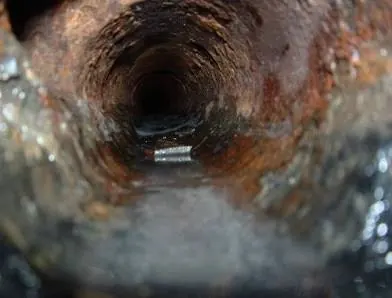
A sewer camera shows only the reachable interior view under conditions present during the inspection. Water, debris, scale, roots, bends, branch geometry, access, and camera orientation can obscure defects. Surface locating estimates signal position and depth; it is not a survey or guarantee of the exact excavation point.
Testing of new work does not certify inaccessible piping outside the defined scope. Permit, inspection, material, grade, connection, and restoration requirements should be confirmed with the authority having jurisdiction and manufacturer instructions for the actual project.
Primary Planning References
- Texas 811 for utility-notification information.
- OSHA Trenching and Excavation Safety for general excavation-hazard guidance.
- Texas State Board of Plumbing Examiners law and rules page for state regulatory references.
Local authorities may adopt and amend model requirements differently. Confirm the current city or jurisdiction rules for the project address.
North Texas Service Areas
CISRS serves homeowners planning cast iron sewer work in Allen, Plano, Richardson, Garland, Dallas, McKinney, Las Colinas/Irving, Fort Worth, and nearby North Texas communities. Visit the CISRS Resources page for related planning guides.
Frequently Asked Questions About sewer replacement permit and inspection checklist
Does every DFW city use the same sewer permit process?
No. Confirm the authority, adopted requirements, submittal steps, inspections, and fees for the exact address.
Does a permit prove the entire old sewer is sound?
No. A permit and inspection generally apply to the approved work and observable conditions, not every inaccessible existing section.
Can work be covered before inspection?
Only when the authority’s process allows it. Ask which stages must remain exposed and what test is required.
Does Texas 811 locate private utilities?
Not necessarily. Participating public operators respond through the system, while private facilities may require separate locating.
Who schedules the inspection?
The responsible contractor typically coordinates it, but the written scope should state who handles scheduling, access, corrections, and reinspection.
What if the route changes after excavation?
Document the condition and confirm whether the permit or approved plan must be revised before proceeding or concealing work.
What should the owner retain?
Keep permit and final status, approved scope, inspection records, photos, test results, route measurements, material details, invoices, and limitations.
Plan the Next Step From Verified Conditions
Call or text CISRS to discuss camera findings, route, access, replacement options, testing, and documentation.
Document Control From Application Through Closeout
A useful permit checklist is also a document-control system. Create one record for the property that contains the confirmed jurisdiction, application number, approved scope, contractor information, plan revisions, inspection requests, inspector notes, test results and final disposition. Dates matter because an approval or requirement may change, and a verbal instruction without context is difficult to verify later.
Before concealment, compare the installed work with the approved description and record any field-approved change. Photograph accessible connections, cleanouts and test setups without presenting those images as a substitute for an inspection. If the authority requires corrections, keep the written correction notice with the response and reinspection result. This prevents an isolated email or text message from becoming the only record of an important change.
Closeout should confirm more than the physical repair. Verify that the final inspection is recorded, required documents are retained, open permit items are resolved, and the owner understands which records to keep for future sale, renovation or service. Where local rules differ, use the city or authority source for the specific property rather than assuming a neighboring city follows the same sequence. An organized file does not guarantee approval, but it reduces missed steps and makes the completed scope easier to explain.