Cast Iron Sewer Cleanout Placement: Plan Future Access
October 4, 2026
Educational Guide • October 4, 2026
Cast Iron Sewer Cleanout Placement: Plan Future Access
Cast iron sewer cleanout placement can determine whether future inspection and clearing are straightforward or require removing a fixture, opening a wall or excavating again. A cleanout is not merely a cap at the end of a pipe; its direction, size, depth, protection and relationship to branches shape what technicians can actually reach.
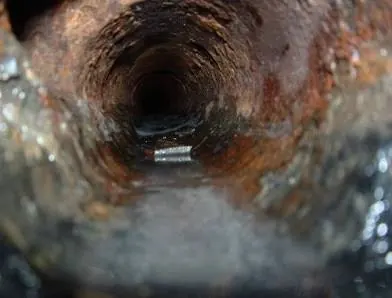
Quick answer
Cast iron sewer cleanout placement should be planned from the pipe route and future service direction. Confirm which sections can be reached, how the opening is protected, whether the cap remains accessible, and what local requirements apply. A cleanout improves access; it does not correct a damaged or poorly graded sewer.
Use this guide to
- separate findings from assumptions
- compare access and repair choices
- understand cost drivers without unsupported averages
- request useful testing and closeout records
cast iron sewer cleanout placement: Cast iron sewer cleanout placement starts with service direction
A cleanout that faces the wrong direction may not provide practical access to the problem area. The plan should identify whether the intended camera or cleaning path is upstream, downstream or both. The goal is to turn an observation into a defined planning question instead of letting one label decide the entire project.
The distance from the building, branches and major turns matters because tools have physical limits. A cap located near the line does not guarantee that every fixture branch can be reached. Ask the contractor to state how this condition was identified, what evidence supports it and what additional access could change the conclusion.
A cleanout should be placed from the actual route and grade, not from the most convenient landscaping spot. Moving it casually can add bends or elevation changes that reduce usefulness. The written scope should connect this issue to a repair limit, verification step and restoration responsibility so different proposals can be compared fairly.
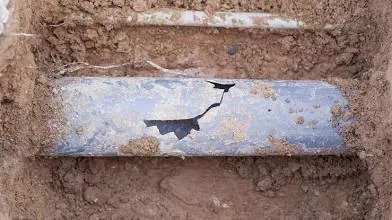
Inventory existing openings before adding another
Existing exterior cleanouts, roof vents, removed fixtures and interior access points serve different purposes. Document which are true service cleanouts and which should not be treated as equivalent. The goal is to turn an observation into a defined planning question instead of letting one label decide the entire project.
Buried or damaged cleanouts may be recoverable if the fitting and connected pipe remain sound. Replacing only the cap is different from rebuilding a broken riser or connection. Ask the contractor to state how this condition was identified, what evidence supports it and what additional access could change the conclusion.
A camera inserted from more than one access point can reveal gaps in coverage. The report should state which sections could not be reached rather than assuming an additional opening solves every limitation. The written scope should connect this issue to a repair limit, verification step and restoration responsibility so different proposals can be compared fairly.
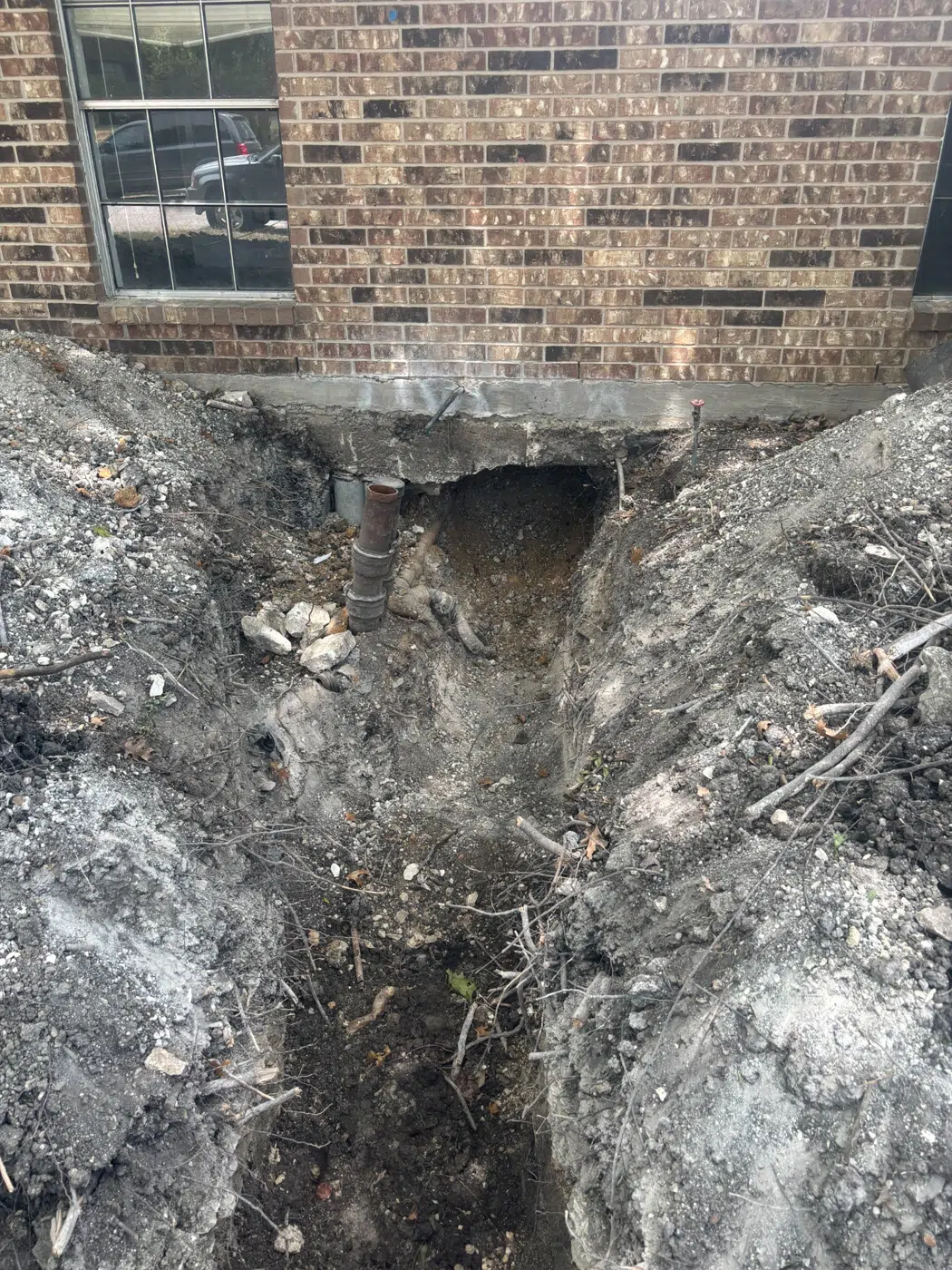
Coordinate cleanouts with replacement layout
When cast iron is replaced, the new cleanout arrangement should match the final route, branch connections and material transitions. Installing it before the layout is confirmed can force rework. The goal is to turn an observation into a defined planning question instead of letting one label decide the entire project.
Two-way service access may be useful in some exterior locations, while other layouts need separate upstream and downstream openings. Fitting geometry, space and local requirements decide suitability. Ask the contractor to state how this condition was identified, what evidence supports it and what additional access could change the conclusion.
The riser and cap must be protected from settlement, vehicles, mowing and accidental damage. Surface finish and accessibility should be included in restoration planning. The written scope should connect this issue to a repair limit, verification step and restoration responsibility so different proposals can be compared fairly.
Inspection limitations belong in the decision
No camera, locator, water observation or visible opening describes every concealed condition. A reliable plan identifies what was reached, what was not reached, which dimensions are approximate and which assumptions could change after access begins. That is not a weakness in the report; it is essential information for controlling scope and change orders.
Keep the opening accessible and sanitary
A cleanout behind fixed cabinetry, beneath permanent flooring or under deep landscaping may exist but be unusable. Future access should be evaluated before surfaces are restored. The goal is to turn an observation into a defined planning question instead of letting one label decide the entire project.
Caps and plugs should suit the fitting and remain secure. An improvised cover can allow debris, odors or wastewater release and should not be treated as a finished installation. Ask the contractor to state how this condition was identified, what evidence supports it and what additional access could change the conclusion.
Interior cleanouts require special attention to location and protection because opening a backed-up line can release sewage. Service procedures and surrounding finishes should be considered. The written scope should connect this issue to a repair limit, verification step and restoration responsibility so different proposals can be compared fairly.
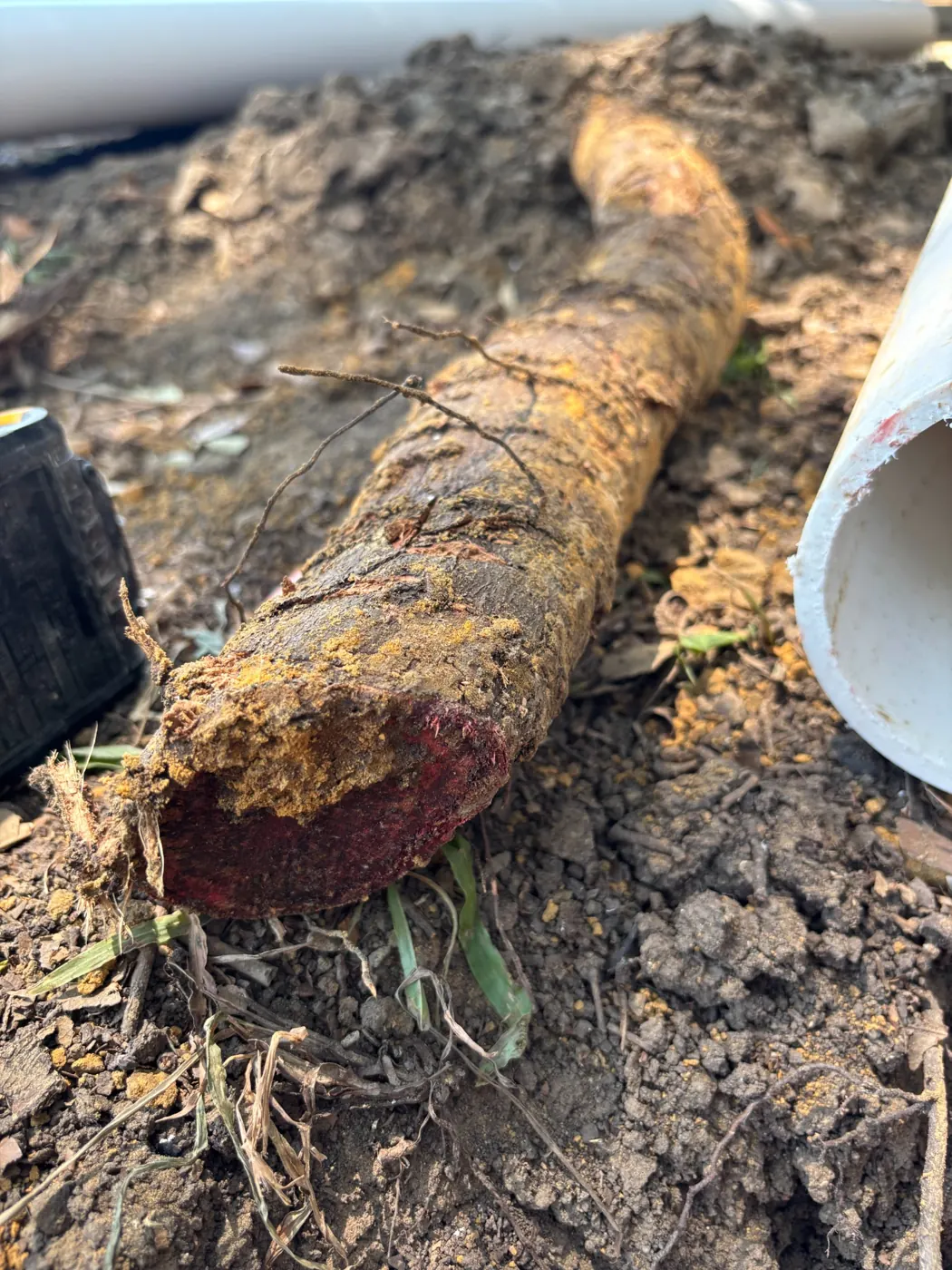
Compare repair, relocation and new access
Repairing an existing cleanout limits scope when the connected fitting and route remain useful. It does not improve poor direction, depth or coverage. The goal is to turn an observation into a defined planning question instead of letting one label decide the entire project.
Relocation can improve service access but changes the pipe and surface work. The contractor should explain the new fittings, grade, protection and abandoned opening. Ask the contractor to state how this condition was identified, what evidence supports it and what additional access could change the conclusion.
Adding access during broader replacement may be efficient because the route is already exposed. The cleanout should still appear as a separate line item with testing and closeout details. The written scope should connect this issue to a repair limit, verification step and restoration responsibility so different proposals can be compared fairly.
Record the cleanout so it stays useful
Measure the opening from durable property features and photograph its relationship to the building. Yard decorations and plants are not reliable long-term references. The goal is to turn an observation into a defined planning question instead of letting one label decide the entire project.
Label the direction and connected line in the property records. A future technician should not have to discover the route by repeated insertion and locating. Ask the contractor to state how this condition was identified, what evidence supports it and what additional access could change the conclusion.
Keep permit, inspection and as-built records with camera files. If additional cleanouts remain buried or inaccessible, note them separately so the new opening is not mistaken for complete coverage. The written scope should connect this issue to a repair limit, verification step and restoration responsibility so different proposals can be compared fairly.
Method comparison for cast iron sewer cleanout placement
Method suitability depends on condition, grade, depth, access, branch connections, layout and local requirements. The table compares planning categories; it does not select a method for a property without inspection.
Repair existing access
Best fit: Sound fitting with damaged cap or riser
Potential advantage: Limits new excavation
Important limit: Does not correct poor direction or coverage
Add one-way cleanout
Best fit: Defined service direction
Potential advantage: Simple access for a specific run
Important limit: May not serve both upstream and downstream
Add two-way arrangement
Best fit: Space and layout support both directions
Potential advantage: Broader main-line access
Important limit: More fittings, depth and protection planning
Relocate during replacement
Best fit: Existing access conflicts with new route
Potential advantage: Coordinates with exposed work
Important limit: Must preserve grade and final surface access
Cost factors without unsupported averages
A responsible estimate should be based on the actual route and written inclusions. Major cost drivers for this topic include:
- Pipe depth and cleanout configuration. Ask how it changes labor, materials, access, inspections or restoration.
- Surface removal and restoration. Ask how it changes labor, materials, access, inspections or restoration.
- Directional fittings and material transitions. Ask how it changes labor, materials, access, inspections or restoration.
- Utility locating and excavation access. Ask how it changes labor, materials, access, inspections or restoration.
- Protection from traffic or landscaping. Ask how it changes labor, materials, access, inspections or restoration.
- Permits, inspection and route documentation. Ask how it changes labor, materials, access, inspections or restoration.
Compare permits, required inspections, testing, surface protection, haul-off, backfill, concrete and finish restoration on the same basis. If concealed conditions can change the work, require a documented authorization process rather than an open-ended allowance.
For official context, Dallas identifies its adopted plumbing-code framework and local amendments on the Current City Code page and lists plumbing inspection stages on its Required Inspections page. Those Dallas sources do not establish requirements in another city; verify the property’s authority having jurisdiction.
Steven Shipler authority and editorial approach
Steven Shipler, MBA, is the author of this CISRS educational guide. The article is organized around field-verifiable evidence, clear limits and written scopes. It does not claim that a particular customer, address or completed project produced the examples, and it does not make an unverified statement about current license status.
For planning questions, call or text 972-333-5448 or email STShipler@gmail.com. CISRS is located at 270 S. Watters Road, Suite 168, Allen, TX 75013.
North Texas service areas
CISRS publishes location-specific planning pages for these confirmed service areas. The first link leads to the Plano cast iron sewer replacement page.
Frequently asked questions
Does every home need an exterior cleanout?
Requirements depend on the locally adopted code, existing system and scope. From a service standpoint, useful access can reduce future disruption, but placement and direction matter. Ask the contractor and local authority about the actual property.
Can a cleanout reach every branch?
Usually not. Cameras and cleaning tools follow the connected route and may not enter smaller branches or negotiate every turn. The plan should state the intended coverage and any sections that still require another access point.
Should a cleanout be flush with the yard?
The finished height and protection depend on location, fitting and exposure to mowing, settlement, traffic and water. It should remain identifiable and usable without creating a trip or damage hazard.
Can a buried cleanout simply be extended?
Sometimes, if the existing fitting and connected pipe are sound and the extension can be made properly. Damage, wrong direction, depth or poor location may justify a different scope after inspection.
What does two-way access mean?
It generally describes an arrangement intended to serve both upstream and downstream directions. The exact fittings, space and installation must suit the line and local requirements; the label alone does not guarantee tool access.
How should cleanout location be documented?
Use measured references, photographs, direction labels and an as-built sketch. Keep these with permits and camera files. A locator mark on soil or paint is temporary and should not be the only record.
Does a new cleanout fix sewer defects?
No. It creates service access. Offsets, corrosion, bellies, roots and broken pipe still require diagnosis and an appropriate repair or replacement decision.
Build the scope around evidence
Call or text to discuss inspection findings, access choices and the questions that should be answered before cast iron sewer work begins.