Cast Iron Sewer Joint Failures: Offsets, Gaps and Roots
October 3, 2026
Educational Guide • October 3, 2026
Cast Iron Sewer Joint Failures: Offsets, Gaps and Roots
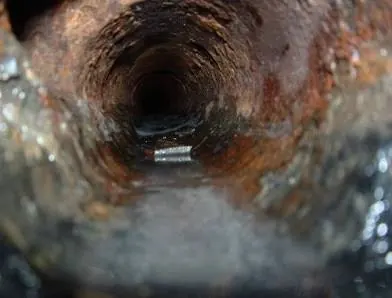
Cast iron sewer joint failures can look similar on camera while requiring different decisions. An offset, open joint, root entry or material transition must be interpreted in context: where it is, how water moves through it, what pipe remains on each side, and whether the planned access can restore alignment and support.
Quick answer
Cast iron sewer joint failures should be evaluated by location, alignment, surrounding pipe condition and drainage behavior. Camera footage can document an offset, gap or roots, but it cannot show exterior support or soil. A repair scope should identify limits, transitions, grade, testing and remaining original pipe.
Use this guide to
- separate findings from assumptions
- compare access and repair choices
- understand cost drivers without unsupported averages
- request useful testing and closeout records
cast iron sewer joint failures: Cast iron sewer joint failures are not one condition
An offset describes misalignment between connected sections. Its effect depends on direction, opening, depth, flow path and whether solids encounter an edge; the word alone does not establish repair scope. The goal is to turn an observation into a defined planning question instead of letting one label decide the entire project.
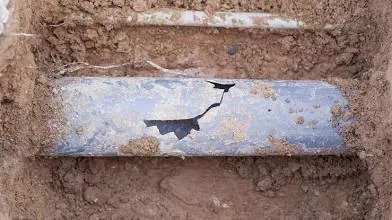
A visible gap or open joint may allow soil, roots or water interaction with the pipe. The camera view does not reveal the entire circumference or the condition of exterior packing and surrounding soil. Ask the contractor to state how this condition was identified, what evidence supports it and what additional access could change the conclusion.
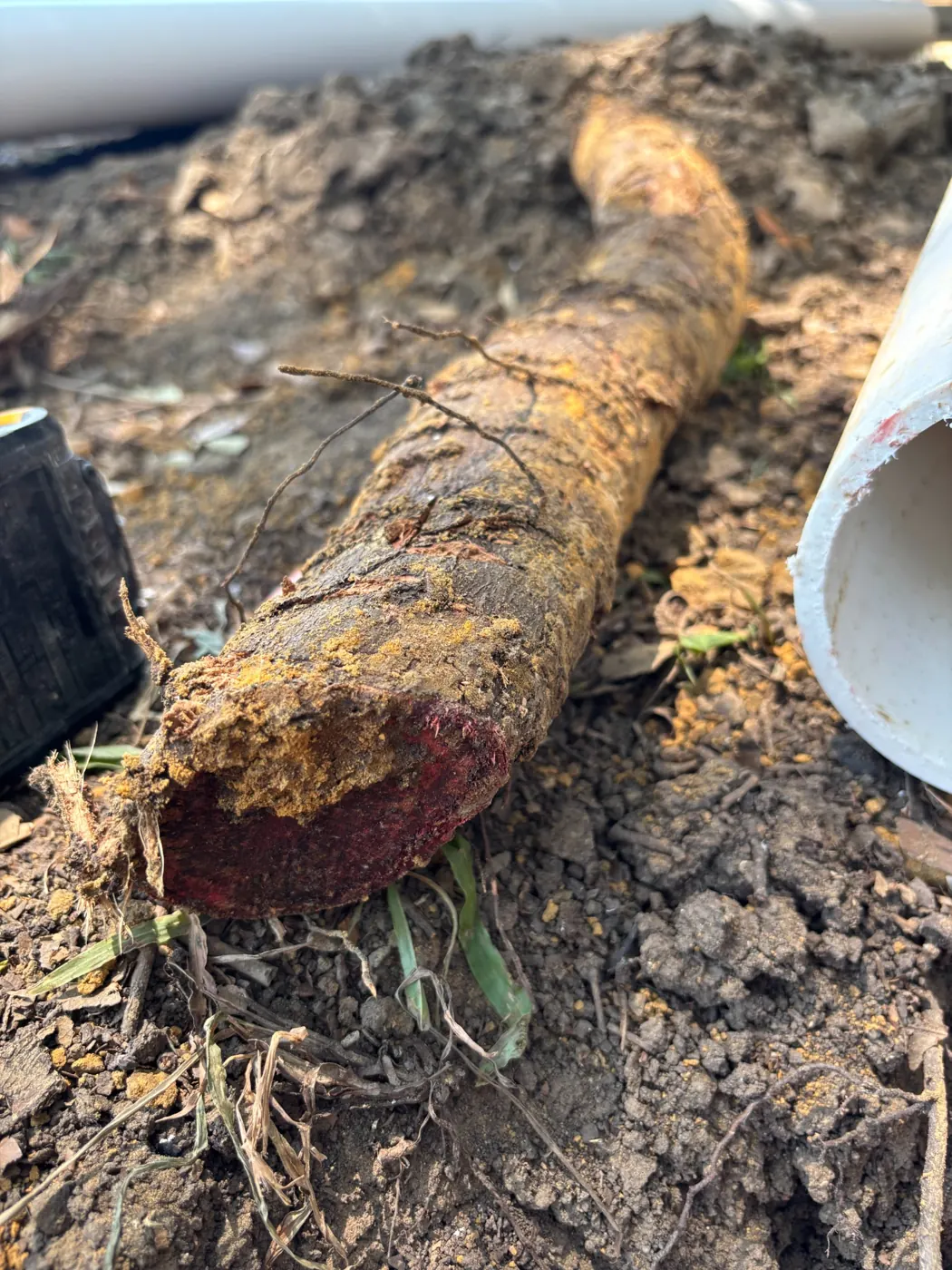
Roots are evidence of an available opening and moisture, not the material that created the opening. Cutting roots may restore temporary passage while leaving the entry path and displaced joint unchanged. The written scope should connect this issue to a repair limit, verification step and restoration responsibility so different proposals can be compared fairly.
Read camera evidence with orientation and limits
The operator should move slowly, identify the access point and record continuous footage across the finding. A still image can exaggerate or hide the geometry depending on lens position and lighting. The goal is to turn an observation into a defined planning question instead of letting one label decide the entire project.
Standing water or debris can cover the bottom of a joint. Reversing direction or observing controlled flow may add context, but no camera angle can show bedding or outside voids. Ask the contractor to state how this condition was identified, what evidence supports it and what additional access could change the conclusion.
Distance readings should be tied to surface locating and measured references before excavation. Counter calibration, bends and access orientation introduce uncertainty that must be communicated to the crew. The written scope should connect this issue to a repair limit, verification step and restoration responsibility so different proposals can be compared fairly.
Look beyond the joint to the connected pipe
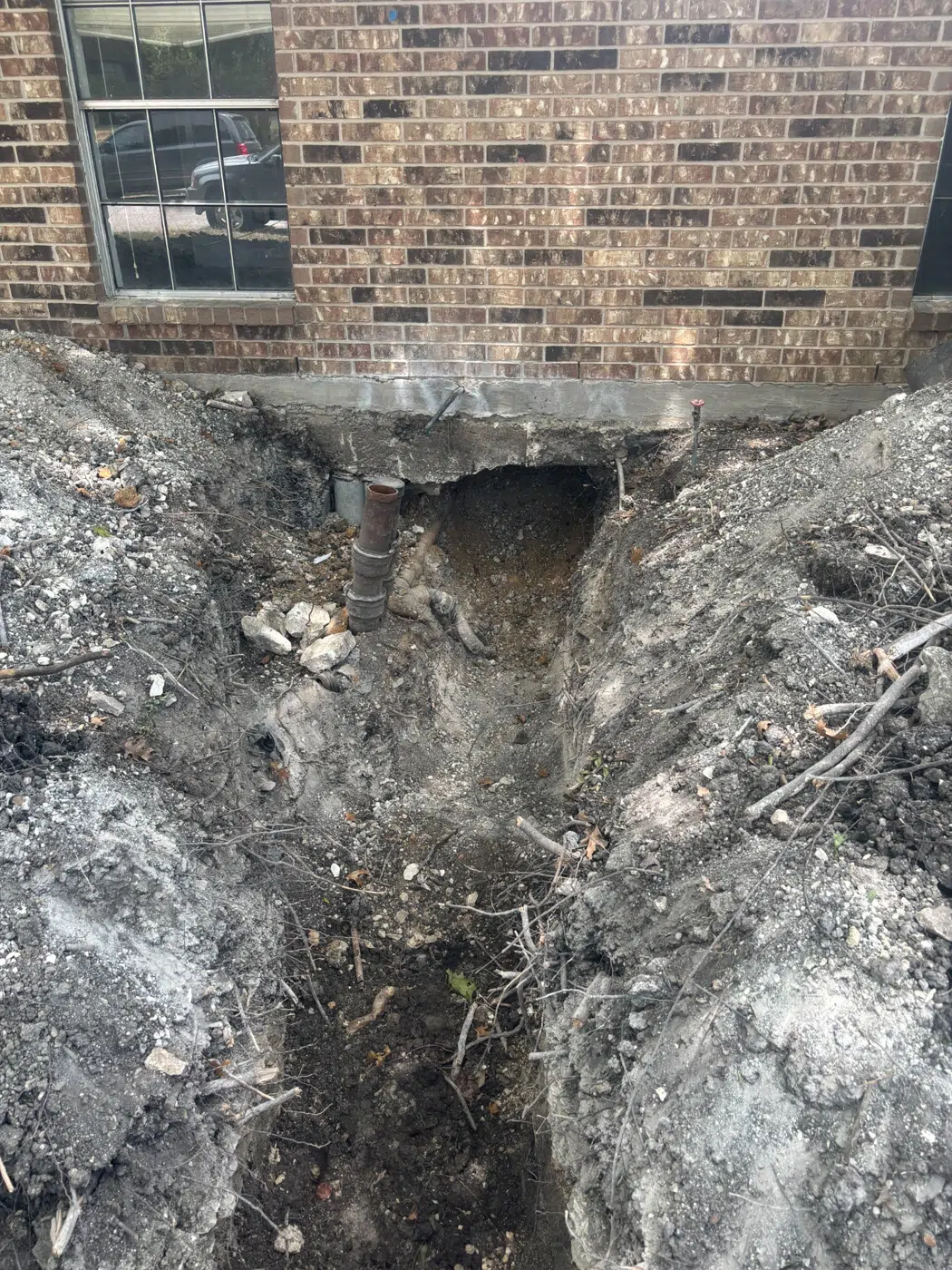
A localized joint repair depends on sound pipe on both sides. Severe troughing, cracking, corrosion or repeated nearby defects can make a short repair poor value even when the joint is the most dramatic image. The goal is to turn an observation into a defined planning question instead of letting one label decide the entire project.
Branch connections near the failure complicate cut limits and fitting selection. A repair that ignores the nearby inlet may leave too little sound material or workable elevation for reconnection. Ask the contractor to state how this condition was identified, what evidence supports it and what additional access could change the conclusion.
Previous material transitions require special attention. The outside dimensions, coupling type, support and alignment should be identified instead of assuming every rubber-looking connector is suitable. The written scope should connect this issue to a repair limit, verification step and restoration responsibility so different proposals can be compared fairly.
Inspection limitations belong in the decision
No camera, locator, water observation or visible opening describes every concealed condition. A reliable plan identifies what was reached, what was not reached, which dimensions are approximate and which assumptions could change after access begins. That is not a weakness in the report; it is essential information for controlling scope and change orders.
Plan access, alignment and support together
Excavation or interior access must expose enough pipe for safe removal and a correctly aligned connection. Digging only at the camera counter mark can be insufficient when the defect extends beyond the visible opening. The goal is to turn an observation into a defined planning question instead of letting one label decide the entire project.
Gravity grade should be evaluated across the repaired run, not only at the new joint. A perfectly joined short section can still hold water if surrounding pipe has settled or lost fall. Ask the contractor to state how this condition was identified, what evidence supports it and what additional access could change the conclusion.
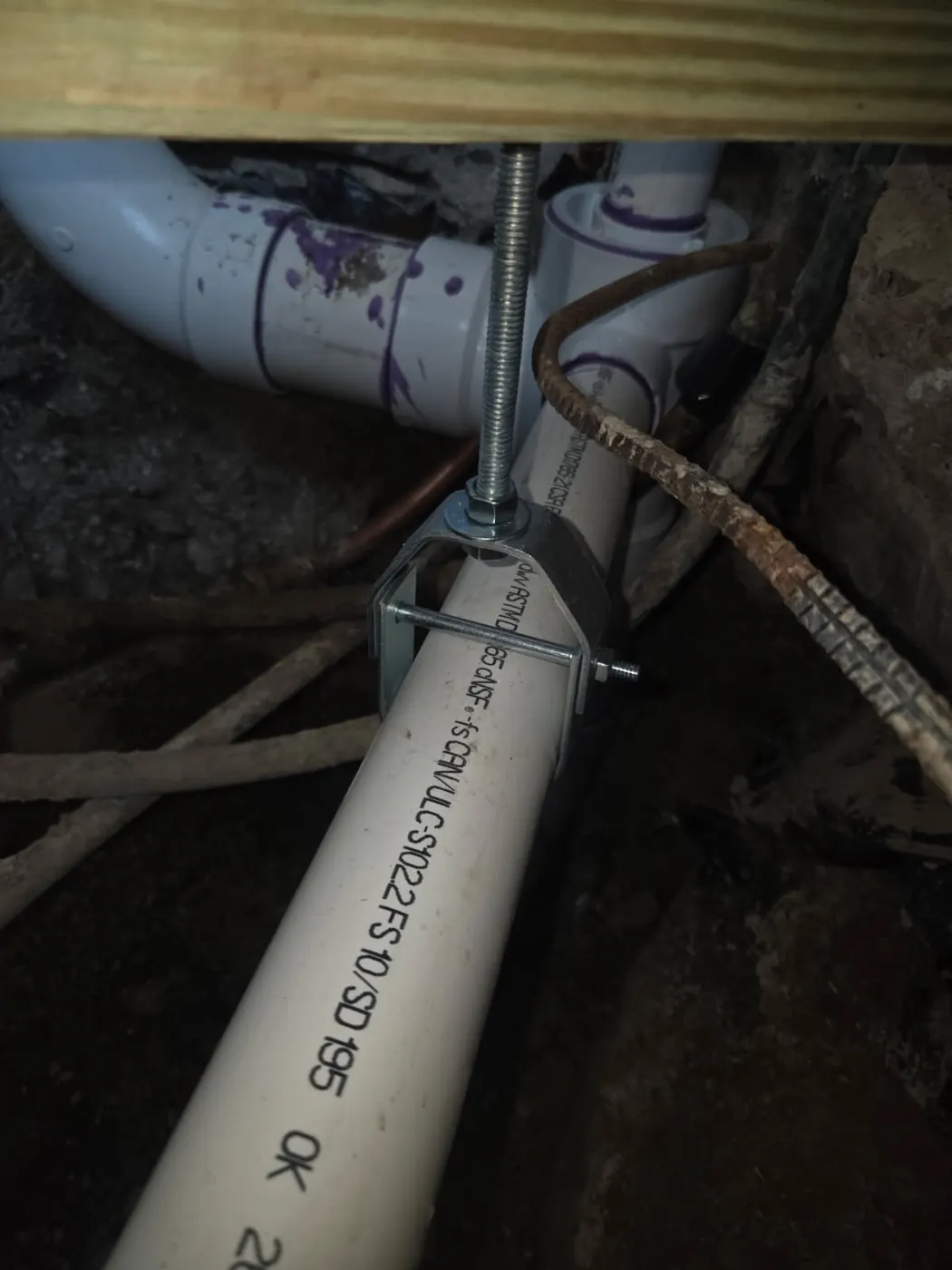
Bedding and support must protect the repaired alignment through backfill and restoration. The method depends on location, soil, pipe and local requirements; it should be described rather than hidden under the phrase replace as needed. The written scope should connect this issue to a repair limit, verification step and restoration responsibility so different proposals can be compared fairly.
Compare clearing, localized repair and broader replacement
Mechanical clearing can remove an obstruction and improve camera access. It does not close an open joint or correct an offset, and it should not be represented as a structural repair. The goal is to turn an observation into a defined planning question instead of letting one label decide the entire project.
A localized repair is most defensible when the defect and sound cut limits are established, grade is workable and remaining pipe has an understood condition. It creates new transitions that must be documented. Ask the contractor to state how this condition was identified, what evidence supports it and what additional access could change the conclusion.
Broader replacement may be warranted when defects repeat, pipe walls are badly deteriorated or access makes multiple small repairs inefficient. The recommendation should tie added length to evidence, not a generic age threshold. The written scope should connect this issue to a repair limit, verification step and restoration responsibility so different proposals can be compared fairly.
Verify and document the completed work
Before concealment, photograph the exposed failure, cut limits, new connections, support and pipe markings. Those images record conditions that post-work camera footage cannot see. The goal is to turn an observation into a defined planning question instead of letting one label decide the entire project.
Camera footage and controlled flow can document accessible interior alignment after the repair. Required municipal inspection remains separate and must occur at the stage directed by the local authority. Ask the contractor to state how this condition was identified, what evidence supports it and what additional access could change the conclusion.
Closeout records should identify original pipe left in service, repair location, surface references, permits, tests and restoration limits. A future technician should not have to infer where the new joint begins. The written scope should connect this issue to a repair limit, verification step and restoration responsibility so different proposals can be compared fairly.
Method comparison for cast iron sewer joint failures
Method suitability depends on condition, grade, depth, access, branch connections, layout and local requirements. The table compares planning categories; it does not select a method for a property without inspection.
Root cutting or cleaning
Best fit: Restore access through an obstruction
Potential advantage: May support diagnosis or short-term flow
Important limit: Does not close the opening that admitted roots
Localized joint repair
Best fit: One defined failure with sound adjacent pipe
Potential advantage: Limits excavation and replacement
Important limit: Adds transitions and leaves original pipe
Section replacement
Best fit: Several nearby defects or poor connected pipe
Potential advantage: Addresses a continuous run
Important limit: More access and restoration
Reroute or system replacement
Best fit: Widespread condition or impractical existing route
Potential advantage: Can reduce repeated localized work
Important limit: Requires full branch, grade and permit planning
Cost factors without unsupported averages
A responsible estimate should be based on the actual route and written inclusions. Major cost drivers for this topic include:
- Defect depth and surface access. Ask how it changes labor, materials, access, inspections or restoration.
- Length of sound pipe needed for cut limits. Ask how it changes labor, materials, access, inspections or restoration.
- Nearby branches and material transitions. Ask how it changes labor, materials, access, inspections or restoration.
- Grade correction and bedding. Ask how it changes labor, materials, access, inspections or restoration.
- Root or debris removal for evaluation. Ask how it changes labor, materials, access, inspections or restoration.
- Permits, testing and restoration. Ask how it changes labor, materials, access, inspections or restoration.
Compare permits, required inspections, testing, surface protection, haul-off, backfill, concrete and finish restoration on the same basis. If concealed conditions can change the work, require a documented authorization process rather than an open-ended allowance.
For official context, Dallas identifies its adopted plumbing-code framework and local amendments on the Current City Code page and lists plumbing inspection stages on its Required Inspections page. Those Dallas sources do not establish requirements in another city; verify the property’s authority having jurisdiction.
Steven Shipler authority and editorial approach
Steven Shipler, MBA, is the author of this CISRS educational guide. The article is organized around field-verifiable evidence, clear limits and written scopes. It does not claim that a particular customer, address or completed project produced the examples, and it does not make an unverified statement about current license status.
For planning questions, call or text 972-333-5448 or email STShipler@gmail.com. CISRS is located at 270 S. Watters Road, Suite 168, Allen, TX 75013.
North Texas service areas
CISRS publishes location-specific planning pages for these confirmed service areas. The first link leads to the Plano cast iron sewer replacement page.
Frequently asked questions
Does every offset need excavation?
No universal camera label decides that. Direction, opening, drainage behavior, location, pipe condition and risk matter. The provider should explain what the footage shows, what remains uncertain and why the proposed response fits the actual joint.
Will cutting roots fix the joint?
No. Root removal may restore passage or improve visibility, but it does not seal the opening or realign the pipe. It can be a diagnostic or maintenance step while structural repair is planned, depending on condition.
Can a camera tell whether soil has washed out?
Not directly. It can show interior gaps, debris or deformation that raise concern, but exterior voids and bedding require other evidence or exposure. Avoid claims about outside soil based solely on an interior image.
Why inspect pipe on both sides of the joint?
A durable localized repair needs suitable material and alignment at both cut limits. If nearby pipe is severely corroded, cracked or poorly graded, a short joint repair may create transitions without addressing the connected problem.
What should a joint-repair estimate identify?
It should identify location, approximate depth, access, cut limits, pipe and connection materials, support, grade verification, testing, permits, restoration and remaining original pipe. Generic repair wording makes proposals difficult to compare.
Is an open joint the same as a leaking sewer?
It is a defect that may allow interaction between the pipe and surrounding soil, but the camera image alone does not quantify leakage. Testing and repair decisions should be matched to the location, condition and purpose of the evaluation.
What documentation is most valuable after repair?
Keep exposed-work photographs, coupling and pipe markings, measured surface references, post-work footage, required inspection records and an as-built sketch. Label everything by access point and date so the files remain useful years later.
Build the scope around evidence
Call or text to discuss inspection findings, access choices and the questions that should be answered before cast iron sewer work begins.