Cast Iron Sewer Replacement Before Selling a Home
October 6, 2026
Cast Iron Sewer Replacement Before Selling a Home
Cast iron sewer replacement before selling a home should be driven by documented condition and a clear transaction timeline—not an assumption that every older pipe must be replaced. A camera inspection, locate, scope comparison, access and restoration plan, testing, permits where applicable, and a complete closeout file help buyers understand what changed and what remains.
Quick Summary
Cast iron sewer replacement before selling a home should be driven by documented condition and a clear transaction timeline—not an assumption that every older pipe must be replaced. A camera inspection, locate, scope comparison, access and restoration plan, testing, permits where applicable, and a complete closeout file help buyers understand what changed and what remains.
cast iron sewer replacement before selling a home is not one standardized job. The appropriate method depends on confirmed pipe condition, grade, depth, access, branch connections, layout, surrounding structures, restoration, and locally applicable requirements. This article is educational and does not describe a particular customer or completed project.
Begin With Evidence a Buyer Can Understand
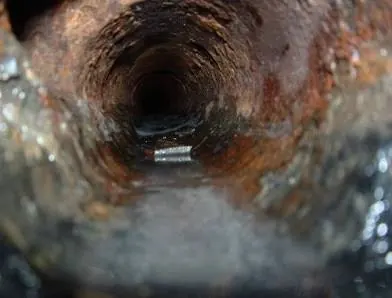
A transaction creates pressure to make a fast yes-or-no decision, but sewer condition is rarely that simple. Record the access point, direction, reachable sections, pipe materials, visible defects, standing water, roots, deposits, offsets, and inspection limitations. If the camera could not pass a restriction or reach a branch, say so clearly.
Video is most useful when it is narrated or indexed to findings and paired with a route locate. Buyers need to know whether a defect is under the slab, in the yard, near the connection, or uncertain. A screenshot alone can exaggerate or minimize a condition because camera perspective and water obscure context.
Distinguish Repair Scope From Transaction Strategy
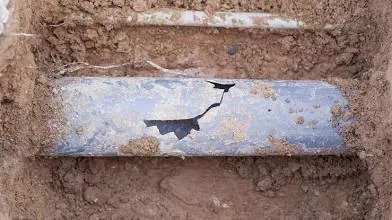
The seller may consider monitoring, localized repair, partial replacement, reroute, or broader replacement. The best technical option depends on condition, grade, access, branch connections, remaining pipe, and local requirements. The transaction strategy also considers schedule, disclosure obligations, buyer expectations, lender or insurer questions, and restoration timing.
A contractor should explain the scope and limitations without giving legal or disclosure advice. Sellers and buyers can use qualified real-estate and legal professionals for those questions. The technical record should be factual: what was observed, what was replaced, how it was tested, and what remains.
Compare Quotes on the Same Boundaries
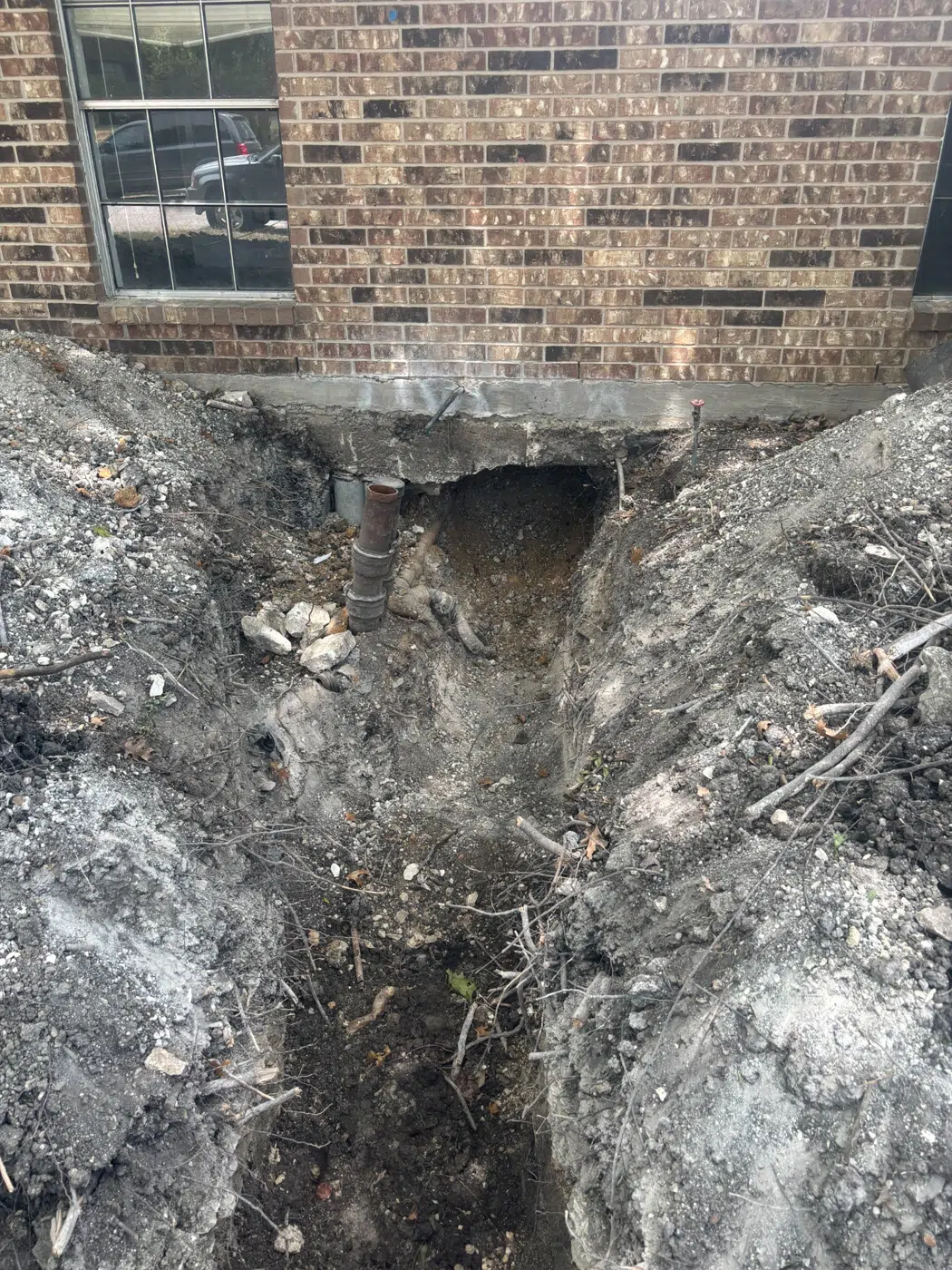
Two estimates can use the phrase sewer replacement while covering different endpoints. One may stop at the slab edge; another may include the exterior line. One may reconnect every branch; another may exclude a kitchen or laundry line. One may include concrete and flooring; another may stop after plumbing closeout.
Create a scope map and compare access, route, pipe size and material, branch count, cleanouts, testing, permits, excavation, backfill, concrete, finishes, landscaping, haul-off, and documentation. Price comparison becomes meaningful only after the boundaries match.
Protect the Closing Timeline Without Skipping Verification
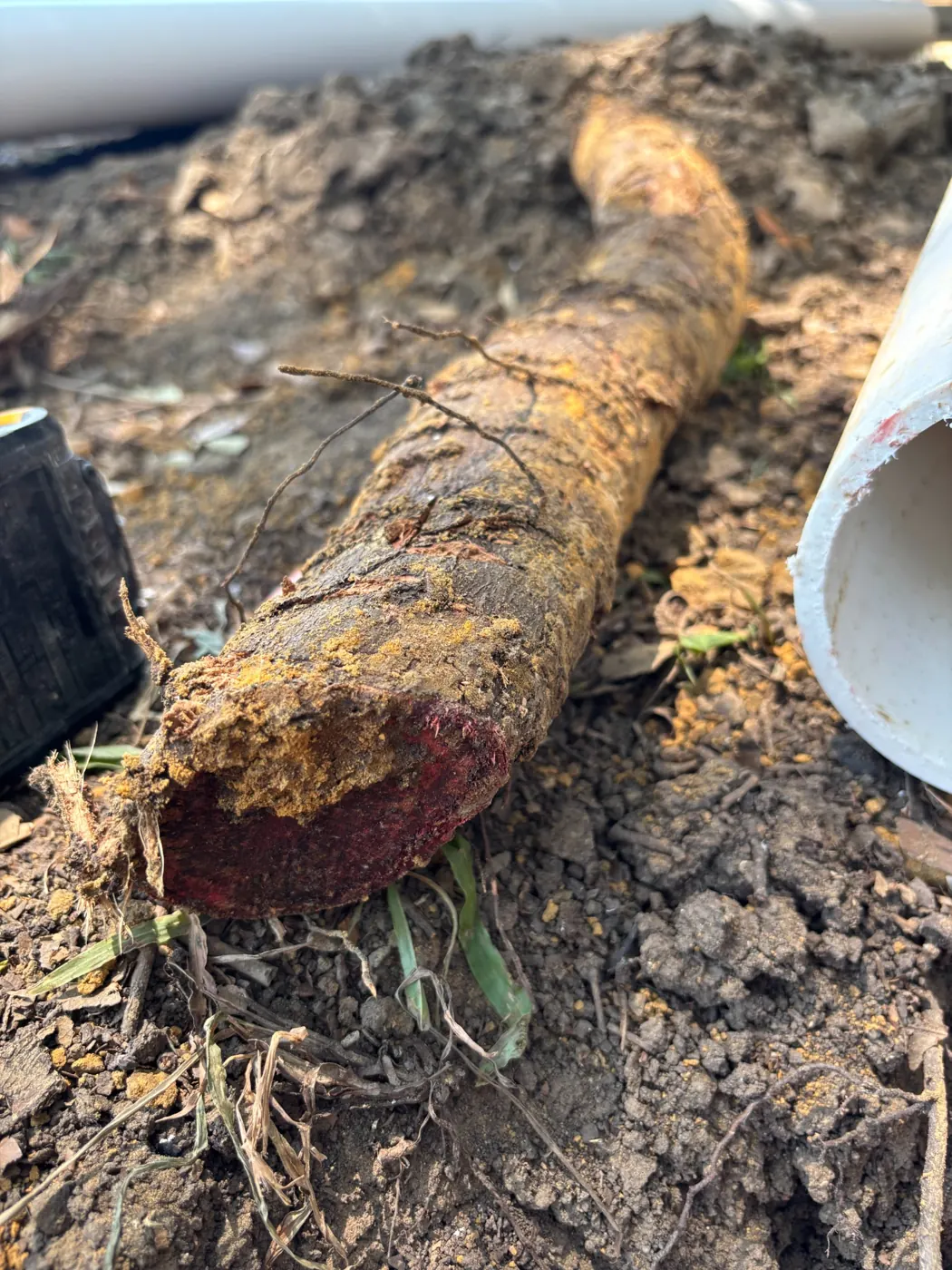
The schedule should include access preparation, utility notification, permit review where applicable, material coordination, work, inspection, testing, backfill, concrete or finish cure, cleanup, and document delivery. Weather, concealed conditions, inspector availability, and change orders can affect completion.
Avoid promising a closing date solely from an estimated work duration. Instead, identify critical dependencies and decision deadlines. If the transaction proceeds before every restoration item is complete, responsibilities and escrow arrangements belong in the transaction documents prepared by the appropriate professionals.
Create a Buyer-Ready Closeout Packet
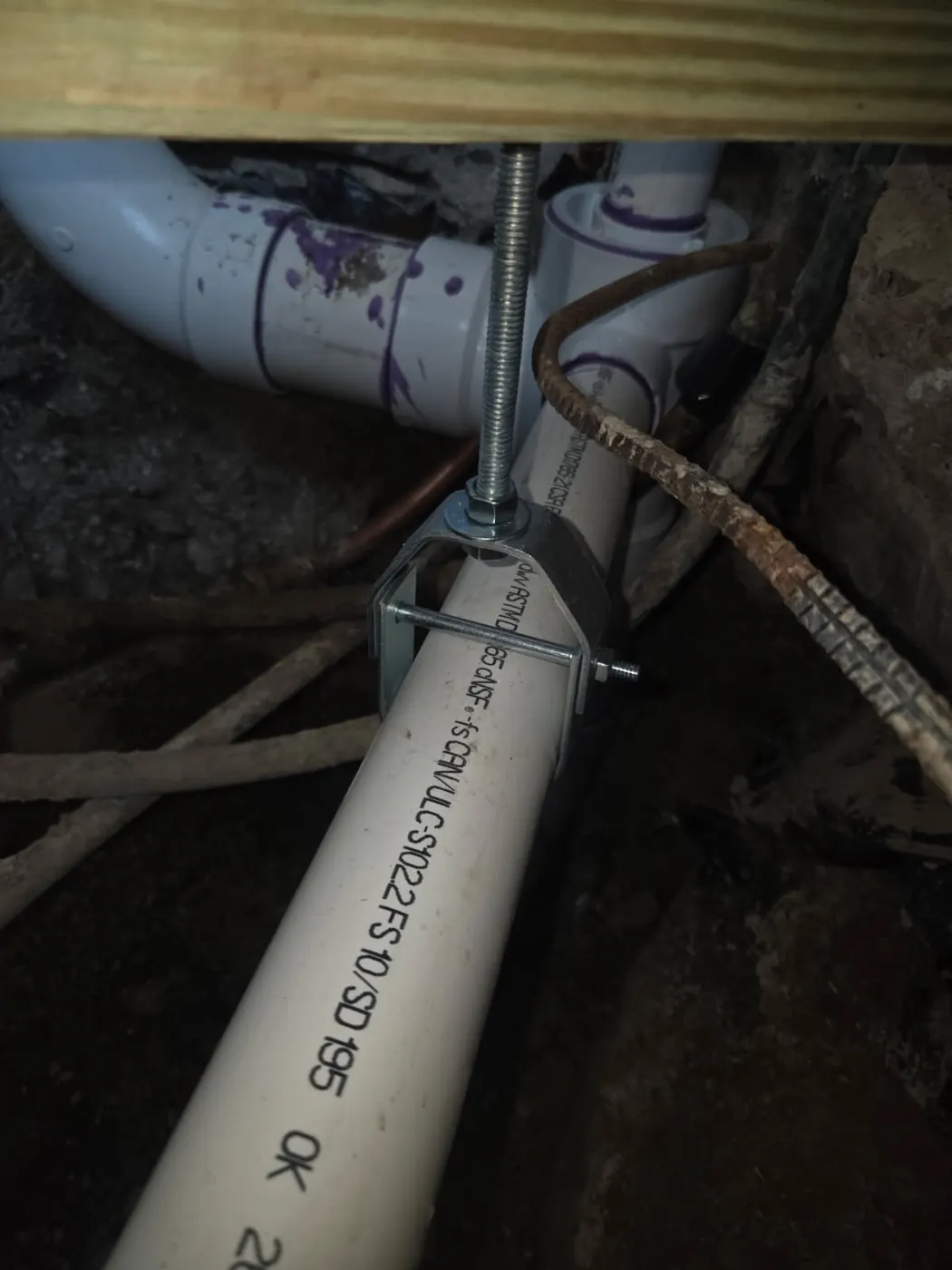
The most useful packet includes the original inspection, proposal, route sketch, permits and inspection status where applicable, before-and-after photographs, materials, connections, cleanout locations, test results, final video when appropriate, invoices, and warranty terms. Keep dates and property information consistent.
Document remaining cast iron or other older piping explicitly. Phrases such as full replacement should be used only when the defined system boundary supports them. If an inaccessible branch or exterior segment remained, mark it on the route and state the limitation.
Use the Record for Future Maintenance
New piping still benefits from accessible cleanouts, reasonable use, and prompt response to abnormal drainage. The buyer should know where access points are and whom to call for copies of records. Good documentation reduces the chance that a later service provider repeats excavation or assumes the route.
The replacement report should not guarantee that every future backup is impossible. Fixture blockages, public-system conditions, misuse, settling, unrelated branches, or later damage can still occur. A clear baseline is more credible than an unlimited promise.
Method Comparison for cast iron sewer replacement before selling a home
| Approach | When it may fit | What must be verified |
|---|---|---|
| Localized repair | One defect is confirmed and adjacent piping is sound | Boundaries, access, compatibility, testing, remaining pipe |
| Partial replacement | A defined run is deteriorated while other sections remain | Endpoints, branches, transitions, disclosure, future service |
| Exterior reroute | A new serviceable route can capture required branches | Grade, easements, cleanouts, restoration, remaining interior pipe |
| Broader replacement | Defects or material condition are widespread within the defined system | Access, interruption, permits, finishes, closeout documentation |
No method is automatically best. Ask the contractor to connect the recommendation to camera findings, route, elevations, access, branch locations, testing, and restoration—not only to the name of the method.
Discuss the Scope Before Access Begins
Call or text CISRS to organize the inspection evidence, route, access options, and questions that should be answered before replacement work begins.
Cost Factors—Without Unsupported Averages
A useful estimate describes the work rather than relying on a universal price per foot. Confirm what is included, what is excluded, which assumptions are concealed, and what would trigger a change order.
| Factor | Why it changes the scope |
|---|---|
| Inspection and locating depth | Changes access, labor, coordination, risk, testing, restoration, or the amount of pipe included. Confirm it from the property rather than assuming an average. |
| Length and branch count | Changes access, labor, coordination, risk, testing, restoration, or the amount of pipe included. Confirm it from the property rather than assuming an average. |
| Under-slab or exterior access | Changes access, labor, coordination, risk, testing, restoration, or the amount of pipe included. Confirm it from the property rather than assuming an average. |
| Permit and inspection coordination | Changes access, labor, coordination, risk, testing, restoration, or the amount of pipe included. Confirm it from the property rather than assuming an average. |
| Concrete, flooring and landscape restoration | Changes access, labor, coordination, risk, testing, restoration, or the amount of pipe included. Confirm it from the property rather than assuming an average. |
| Transaction schedule and document preparation | Changes access, labor, coordination, risk, testing, restoration, or the amount of pipe included. Confirm it from the property rather than assuming an average. |
Inspection and Service Limitations
A sewer camera shows only the reachable interior view under conditions present during the inspection. Water, debris, scale, roots, bends, branch geometry, access, and camera orientation can obscure defects. Surface locating estimates signal position and depth; it is not a survey or guarantee of the exact excavation point.
Testing of new work does not certify inaccessible piping outside the defined scope. Permit, inspection, material, grade, connection, and restoration requirements should be confirmed with the authority having jurisdiction and manufacturer instructions for the actual project.
Primary Planning References
- Texas 811 for utility-notification information.
- OSHA Trenching and Excavation Safety for general excavation-hazard guidance.
- Texas State Board of Plumbing Examiners law and rules page for state regulatory references.
Local authorities may adopt and amend model requirements differently. Confirm the current city or jurisdiction rules for the project address.
North Texas Service Areas
CISRS serves homeowners planning cast iron sewer work in Allen, Plano, Richardson, Garland, Dallas, McKinney, Las Colinas/Irving, Fort Worth, and nearby North Texas communities. Visit the CISRS Resources page for related planning guides.
Frequently Asked Questions About cast iron sewer replacement before selling a home
Must cast iron be replaced before a home is sold?
Not automatically. Condition, defects, risk, transaction decisions, and applicable obligations should be evaluated from evidence.
Is a clean camera enough?
A camera is useful but limited to reachable interior surfaces and conditions at the time. It does not see outside the pipe or every branch.
What does full replacement mean?
It should mean replacement of a clearly defined system boundary. The proposal and route map should identify endpoints and any piping that remains.
Should buyers receive the repair video?
When available, video and supporting notes can help, especially when paired with route, tests, permits, and remaining-pipe documentation.
Can the contractor advise on disclosure law?
The contractor can document technical findings and work. Legal and transaction disclosure questions should go to qualified real-estate or legal professionals.
What can delay completion?
Permits, utility notification, concealed conditions, weather, inspection availability, change orders, material availability, and restoration cure times can affect the schedule.
What is the most valuable closeout item?
A coordinated packet is best: scope, route, photos, permits, tests, final findings, materials, warranty terms, and explicit limitations.
Plan the Next Step From Verified Conditions
Call or text CISRS to discuss camera findings, route, access, replacement options, testing, and documentation.
Build a Clear Transaction Handoff File
A pre-sale sewer project should end with a concise handoff file that distinguishes observed conditions, completed work and remaining limitations. Include the original inspection report, relevant video references, the written scope, approved changes, permit or inspection records when applicable, testing documentation, photographs of accessible stages and the final invoice or warranty terms actually provided by the contractor. Do not imply that a repair certifies unrelated portions of the system.
The handoff should explain the replaced segment and its connection points in ordinary language. If a camera could not inspect a branch, if a downstream municipal segment was outside the scope, or if landscaping restoration is still maturing, say so directly. Buyers and their inspectors can then evaluate the record without guessing what a general phrase such as “sewer repaired” means.
Timing also matters. Leave room for inspections, corrections, cure periods, surface restoration and delivery of final records before a contractual deadline. Rushing concealment or skipping documentation to meet a closing date can create more uncertainty than the project resolves. The practical objective is a traceable record: why the work was recommended, what was authorized, how it was tested, what was restored and what was not evaluated. That clarity supports a more orderly transaction without making promises about buyer decisions or future pipe performance.