Sewer Inspection Before Buying a House: A Buyer’s Guide
September 30, 2026
CISRS homeowner guide · DFW
Sewer Inspection Before Buying a House: A Buyer’s Guide
A sewer inspection before buying a house can reveal accessible drainage conditions that photographs and a walk-through cannot show. Use this guide to define the inspection, understand its limits, and organize follow-up questions before making a property decision.
Educational guidance. Photos illustrate separate projects; an inspection is needed to evaluate your home.
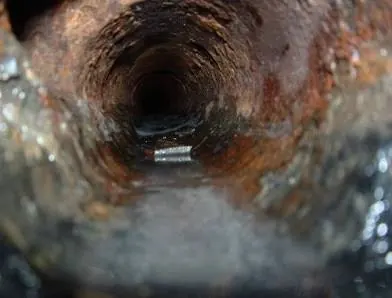
Camera, route, and accessCamera inspection and line locatingPermit and inspection coordination as requiredWritten repair or replacement scope
At a glance
Service area: DFW. Subject: residential cast iron drainage and property-specific sewer planning, including slab-foundation homes where applicable.
Article type: educational guide. No customer, project footage, construction duration, completed outcome, or replacement price is claimed. The photographs illustrate separate projects.
Use this guide to prepare questions. A field evaluation and written scope are needed to choose work for your property.
Browse all CISRS resourcesSewer inspection before buying a house: define the question
A home can have appealing finishes while its underground drainage remains largely undocumented. The useful purpose of a sewer evaluation is to describe what can be observed, identify meaningful concerns, and explain what remains unknown. It should not begin with a promise that every older house needs replacement or that one video can eliminate all future risk.
Ask what the scheduled inspection actually includes. A general home inspection and a dedicated sewer camera evaluation may have different scopes. Confirm entry points, intended coverage, reporting, and any access permissions needed. Coordinate the visit through the appropriate property contacts rather than assuming that a contractor can remove fixtures or perform additional work without authorization.
Gather the history before the appointment
Request available sewer videos, repair invoices, plans, and records of additions or relocated fixtures. Check whether documents describe proposed work or completed work. A drawing attached to an old estimate may show a route that was never installed. Treat undocumented statements as leads for investigation, not established construction history.
For buyers considering properties in Dallas, start with the same evidence-based questions used elsewhere in DFW. A city name or neighborhood reputation does not establish the pipe material, condition, or repair need at a particular address. The house and the accessible system must be evaluated.
Know which part of the drainage system was viewed
Ask the inspector to identify the entry point, travel direction, accessible branches, and stopping point. A run from a front cleanout toward the street may provide useful information about that route while leaving interior branches unviewed. The report should make that distinction easy for a buyer to understand.
Material transitions also deserve attention. A visible PVC section may connect to older cast iron elsewhere. An invoice stating “sewer replaced” may refer to a yard segment rather than every under-slab branch. Compare the observed route and available records before describing the property as having an entirely new drainage system.
Uninspected is a meaningful result
If a blockage, water, geometry, or inaccessible entry prevents a useful view, ask what further step could resolve the uncertainty. That might involve appropriate cleaning, another authorized access point, or a separate evaluation. It is reasonable for the report to stop short of a conclusion when the evidence does not support one.
Request the full available video along with a written summary. A few screenshots can highlight findings, but they omit context and coverage. Keep the recording connected to the inspection date, property, and entry route. This makes a second opinion possible and reduces confusion when comparing several files supplied by different people.
Turn inspection observations into useful follow-up questions
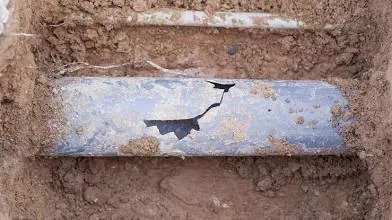
Visible corrosion, deposits, a displaced joint, an opening in the wall, or standing water require interpretation in context. Ask which observations are clear, which are tentative, and which sections are obscured. Pipe age alone is not a sufficient reason to declare failure, and a clean-looking image does not establish exact remaining life.
For each significant finding, request its approximate location and an explanation of why it matters. A defect near an accessible yard connection can involve different construction than one beneath an occupied room. Location, depth, fixture connections, and access help turn an observation into a realistic next step.
Separate inspection from repair design
An inspection identifies evidence. A repair design decides how to address it. If a major recommendation follows the video, ask whether sufficient field locating and access review have been completed to support the proposed route. A preliminary budget should remain clearly identified as preliminary when important conditions are unresolved.
Use an organized question list with your property advisers: what is documented, what additional evaluation is needed, and what information would materially change the decision? This guide does not interpret a purchase contract or set negotiation deadlines. Your agent or other appropriate adviser should address transaction terms while the contractor explains the drainage evidence and construction scope.
Compare repair implications before accepting a label
A recommendation should address pipe condition, grade, depth, access, branches, property layout, and local requirements. Ask what each practical option would replace, rehabilitate, reconnect, and leave existing. This is more useful than assuming that one construction label always produces the least disruption.
Targeted repair
May fit: a localized documented defect and suitable adjoining pipe. May not fit: multiple unresolved failures beyond the proposed endpoints. Disturbance follows the defect location, while the rest of the system remains in service.
Under-slab replacement
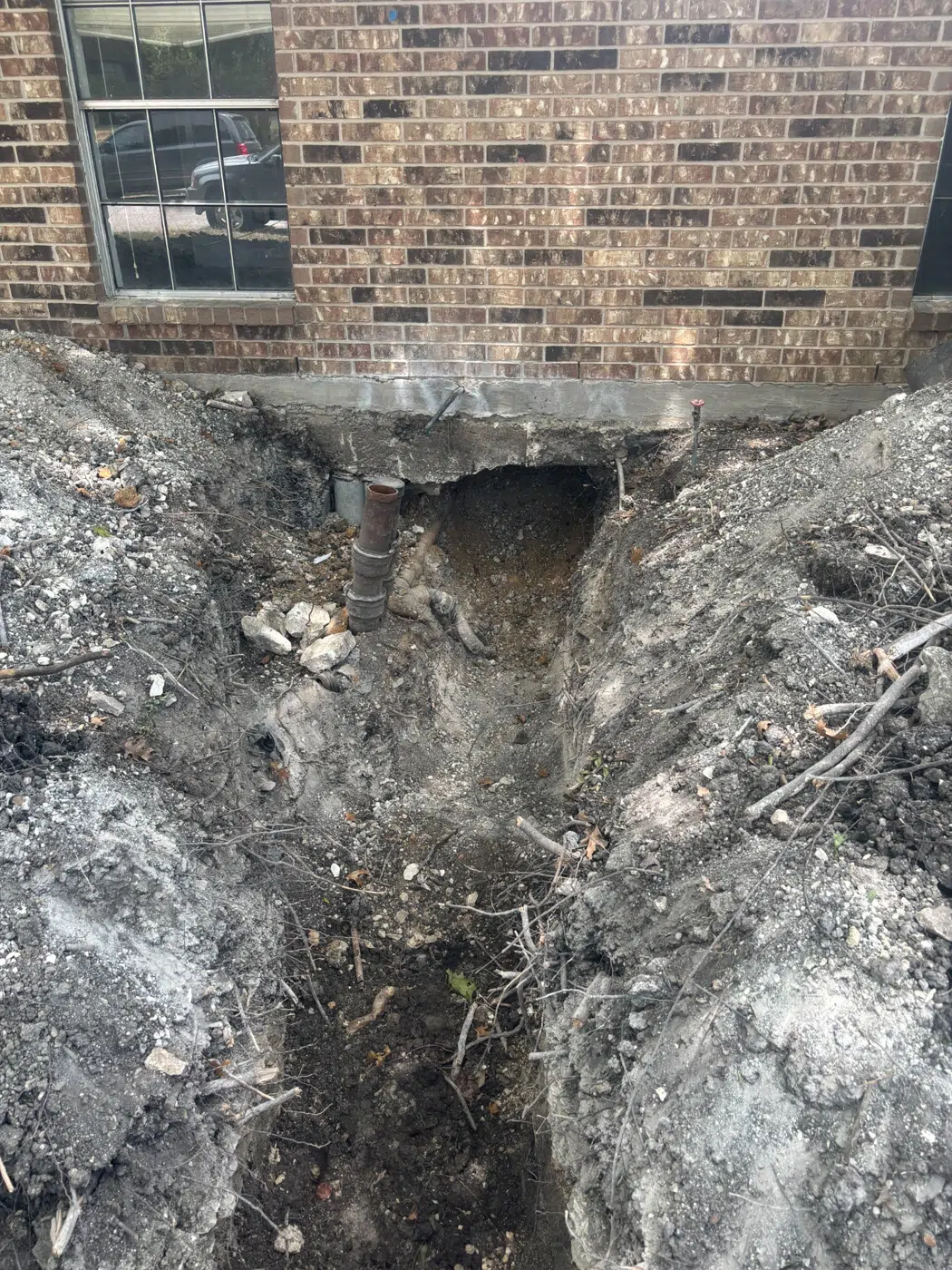
Through-slab access or tunneling may reach affected interior runs. Finishes, structure, soil, and safe access influence feasibility. Buyers should compare both plumbing scope and the separately defined restoration responsibilities.
Exterior reroute or trench
A workable outside route may serve eligible branches when elevations and connections permit. Utilities, space, and fixture layout can limit it. Exterior work can still require interior tie-ins and substantial yard restoration.
Lining or pipe bursting
These methods require specific suitability checks and local acceptance. Ask how branch connections, existing defects, access, and post-work verification are addressed. Neither label proves the whole drainage system becomes new or that excavation is unnecessary.
Ask the contractor to explain why any option was ruled out. A clear technical reason is useful; a preference alone does not answer the buyer’s question. The relevant comparison is between feasible scopes for the inspected property, not promotional examples from unrelated houses.
Use written scopes to understand the financial exposure
A repair total without defined boundaries is difficult to use in a property decision. Request start and end points, included branches, access method, testing, inspection responsibilities, and restoration. Identify allowances and exclusions. If more information is needed to establish a price, ask what would resolve it and whether that investigation is separately authorized.
The Texas State Board of Plumbing Examiners’ consumer guidance encourages detailed written estimates and warranties and checking local permit requirements. Apply that principle by comparing the same work across proposals. This article does not provide an average regional replacement price or a property-specific construction estimate.
Include the costs outside the pipe
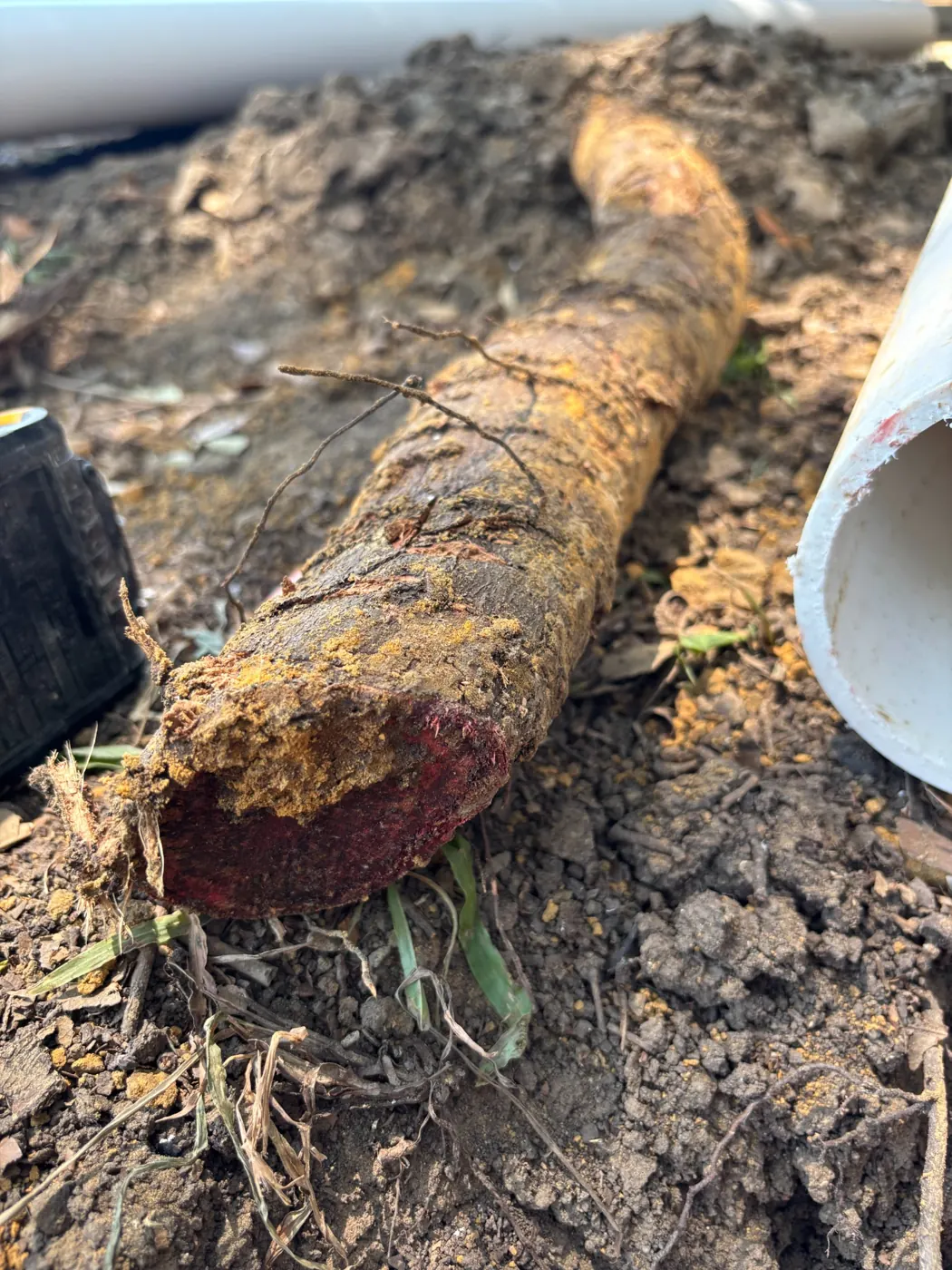
Depth, under-slab footage, excavation access, branch connections, concrete, landscaping, backfill, permits, and inspection scheduling all influence cost. Flooring, decorative finishes, irrigation, and other restoration may fall to different parties. A lower plumbing total can exclude work another proposal includes.
CISRS advertises a free cast iron sewer replacement estimate and a $239 sewer camera inspection. Confirm available access and included diagnostic coverage when scheduling. If cleaning or additional investigation is needed, clarify that scope before it proceeds. A free replacement estimate does not imply unlimited testing or establish that replacement is already necessary.
Use a coverage checklist during the report review
Review five items with the inspector: the entry point, direction, viewed sections, significant findings, and unviewed sections. Then ask which findings warrant a separate contractor evaluation. Keeping those categories distinct helps everyone avoid translating a limited observation into a whole-house conclusion.
For example, a report can accurately describe an accessible exterior run while leaving an interior kitchen branch unresolved. That is an inspection limitation to discuss, not proof that the kitchen branch is defective. A buyer should understand the limitation before relying on the report for a broad statement about the property.
When several parties share documents, identify the most current report and keep earlier versions as history. Ask the contractor to reconcile meaningful differences in observations rather than choosing whichever document sounds most reassuring. The goal is a clear account of what is known at the time you make the decision.
Evaluate seller-supplied repair records carefully
If repair work is completed before your purchase, compare the final invoice and available documentation with the agreed construction scope. Ask which proposed items were actually completed and whether approved changes altered the route or endpoints. Keep a clear record of existing piping left in place.
Where applicable, request permit and inspection records identifying the relevant project. A screenshot that says an inspection was requested is different from a documented result. Likewise, a camera recording and an official inspection have different purposes. One should not be presented as a substitute for the other.
Understand what you inherit
Read the actual warranty terms, including scope, exclusions, reporting process, and whether any transfer provisions apply. Do not assume coverage follows the property automatically or extends to unmodified pipe. Ask the issuing contractor to clarify ambiguous wording in writing before relying on it.
File the final inspection video, work description, route information, approvals when required, and follow-up contact together. The value continues after the transaction: future contractors can see what was inspected or replaced. Better records reduce uncertainty, but they do not create a guarantee that an underground system will never develop another problem.
Frequently asked questions
Is a sewer camera inspection included in every home inspection?
Do not assume so. Review the inspector’s agreement and ask whether a dedicated camera evaluation is included, who performs it, what access is required, and which drainage sections the resulting report will describe.
Should I reject a home simply because it has cast iron?
Material and age are reasons to ask informed questions, not enough to decide a purchase. Consider documented condition, inspection limits, feasible repair scopes, and your property objectives with the appropriate advisers.
Can the camera inspect every branch under the slab?
Not necessarily. Entry points, bends, pipe size, obstructions, and layout can limit access. Ask the report to identify viewed and unviewed sections so a clear yard run is not mistaken for a complete system evaluation.
What if the seller has an older camera video?
Use it as historical information and check its date, coverage, and connection to the property. Conditions and repairs may have changed. Ask whether a current evaluation is warranted rather than assuming the old video answers today’s questions.
Does new PVC at the cleanout mean everything was replaced?
No. It establishes only the visible material at that location. Ask for construction records and inspection coverage showing the endpoints and branches. Interior cast iron may remain connected to a newer exterior section.
Can a repair be completed within my purchase timeline?
A contractor must evaluate scope, access, approvals, testing, and restoration before estimating timing. Coordinate transaction deadlines with your advisers. An educational guide cannot promise a crew date or completion before closing.
Which documents help me compare repair proposals?
Keep the camera record, findings summary, approximate route and depth information, included branches, access plan, exclusions, testing, permits when required, and restoration details. These make competing prices easier to compare on the same scope.
Find your local CISRS service page
Explore service information for your city. Additional DFW locations are served by scheduling availability. Project scope and local requirements must be confirmed for the property.
Ready to Find Out What Is Happening Beneath Your Home?
Tell us your city, the affected fixtures and what previous inspections have shown. Ask for a free cast iron sewer replacement estimate or a $239 sewer camera inspection.