Sewer Replacement Documentation: What to Keep After Work
September 30, 2026
CISRS homeowner guide · DFW
Sewer Replacement Documentation: What to Keep After Work
Sewer replacement documentation should explain what changed beneath the property and how the work was checked. This guide helps homeowners request useful records, distinguish different kinds of verification, and preserve a clear history for future repairs or a home sale.
Educational guidance. Photos illustrate separate projects; an inspection is needed to evaluate your home.
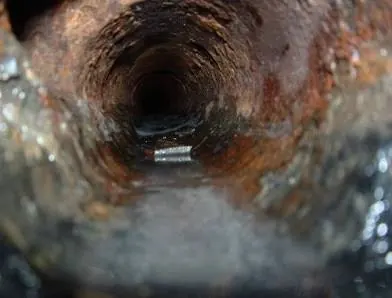
Camera, route, and accessCamera inspection and line locatingPermit and inspection coordination as requiredWritten repair or replacement scope
At a glance
Service area: DFW. Subject: residential cast iron drainage and property-specific sewer planning, including slab-foundation homes where applicable.
Article type: educational guide. No customer, project footage, construction duration, completed outcome, or replacement price is claimed. The photographs illustrate separate projects.
Use this guide to prepare questions. A field evaluation and written scope are needed to choose work for your property.
Browse all CISRS resourcesSewer replacement documentation starts with the work boundary
Once piping is buried and surfaces are restored, the most useful record is a clear description of what was actually done. A short invoice saying “replaced sewer” can leave a future owner or contractor unsure whether the work covered a branch, the main under-slab run, the yard line, or several of those sections.
Request a final scope that identifies the beginning and end of the replacement, the branches connected, and any existing pipe left active. If a route changed during construction, the final record should reflect the installed arrangement. Keep the original proposal too, but do not mistake it for the final construction description.
Preserve the reason for the work
Save the original findings and available inspection video alongside the completed-work records. This connects the documented concern with the approved response. It also helps distinguish a repair to a specific defect from a broader renewal project that replaced several affected sections.
For homeowners using CISRS services in Allen, the same recordkeeping principle applies as elsewhere in DFW: describe the actual property and scope. A generic certificate or a collection of unrelated photographs cannot establish which portion of your drainage system was replaced.
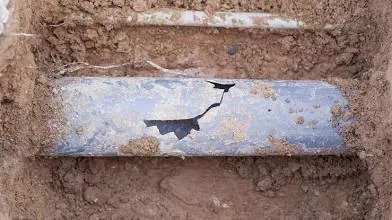
Ask for a route record that another person can understand
A useful route sketch connects piping to recognizable rooms, exterior walls, cleanouts, or other stable reference points. It identifies major branches and transitions between new and existing material. The record does not have to be decorative to be valuable; it must be understandable and tied to the completed work.
Ask which dimensions or depths were measured and which are approximate. A conceptual estimate drawing, an electronic locating note, and an exposed installation measurement have different levels of certainty. Labeling those differences prevents a future contractor from treating an approximate sketch as a precise underground survey.
Keep photographs in context
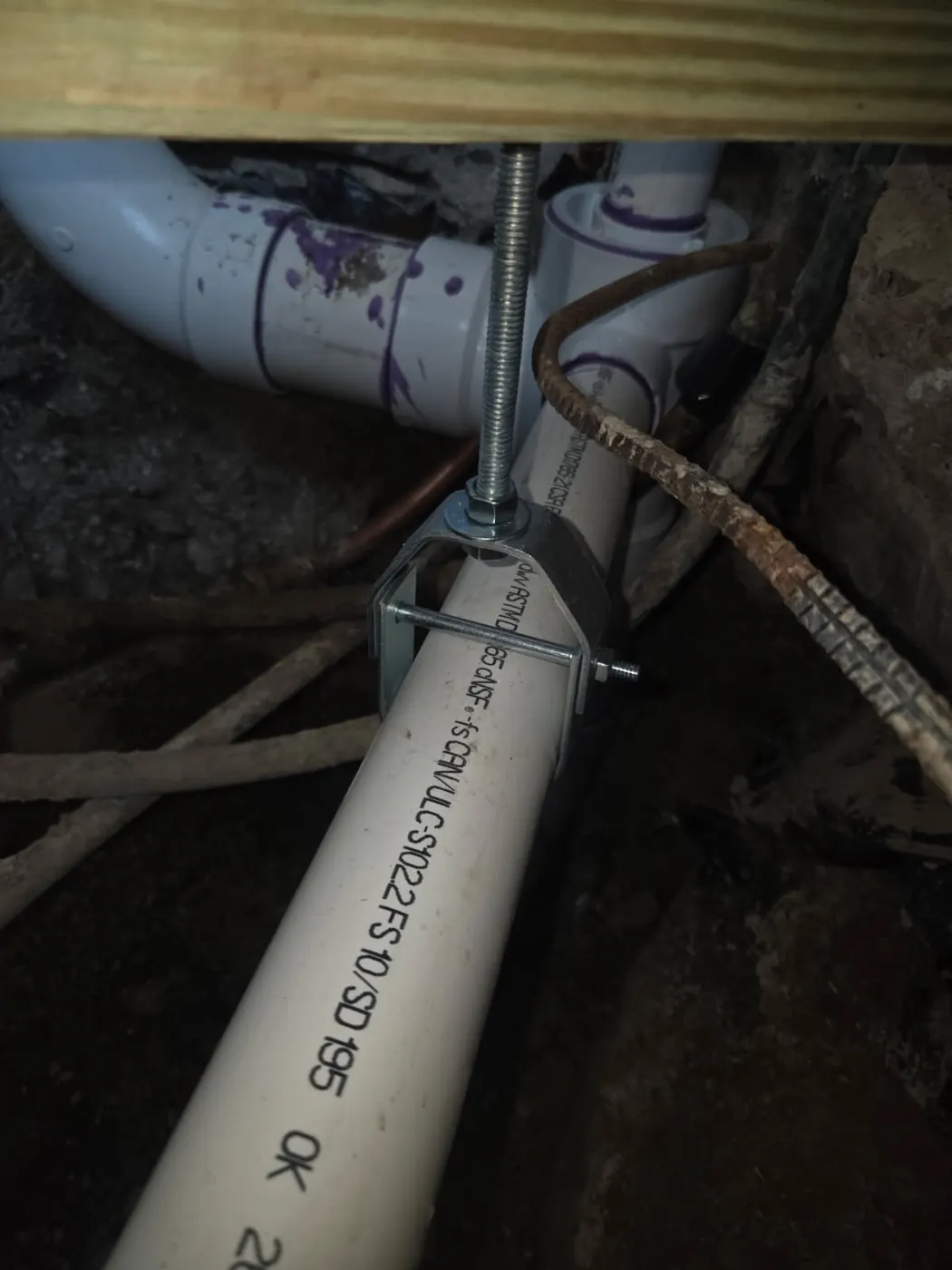
Construction photographs are most useful when labeled by work area and stage. A close-up may show a connection clearly but give no clue where it is. A wider view followed by a detail image can help establish context. Ask for available photos captured as part of the contractor’s normal documentation; do not enter the work zone to obtain your own.
Preserve original image files when practical and store copies with the final scope. Photos record visible conditions at a moment in time. They do not, by themselves, prove hidden support conditions, correct grade throughout a run, or the result of a test. Keep each type of evidence connected to the question it can actually answer.
Distinguish camera records, tests, and official inspections
A camera recording can document accessible internal conditions after work. Ask where the camera entered, the direction it traveled, and which sections were visible. Water, deposits, geometry, or access can still limit coverage. A recording should not imply that every branch was viewed when the camera followed only one route.
A test has its own method, coverage, conditions, and result. Ask the contractor to identify the applicable testing performed and what portion of the work it covered. Do not infer watertightness for an entire property simply because new pipe looks clean on video.
Request the actual inspection result
When official inspections are required, keep the record identifying the project and result. A scheduled inspection, permit application, issued permit, correction notice, and completed approval describe different stages. Ask what remains outstanding if the record shows an intermediate step rather than final completion.
Method-specific requirements can also matter. ICC’s discussion of fold-and-form relining under the 2021 model codes includes recorded pre- and post-installation surveys and installation certification. Those provisions illustrate why documentation follows the method. They are not a declaration of the locally adopted rules or approval of every lining product.
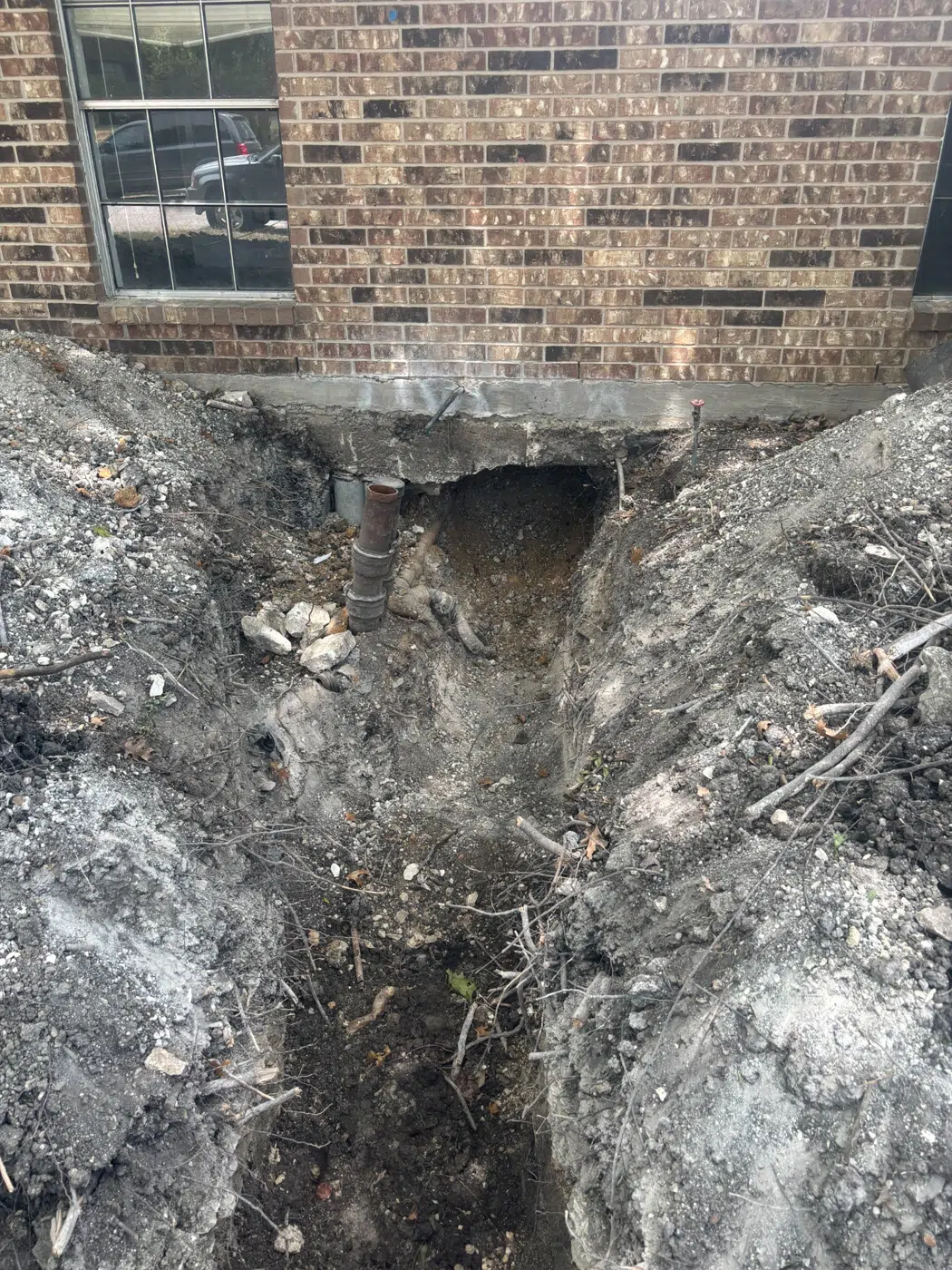
Match the records to the construction method
Condition, grade, depth, access, branch connections, layout, and local requirements guide both method selection and useful documentation. Ask what was verified for the work actually performed. Do not request a generic “passed” label without understanding its scope.
Targeted repair
May fit: a localized defect with suitable adjoining pipe. Limits: other existing sections remain. Keep endpoints, transition details, available photos, and the condition record outside the repair. Disturbance may be limited but still needs defined restoration.
Tunnel or through-slab replacement
These methods provide access where field and structural conditions permit. Keep the installed route, connected branches, verification records, and closure or restoration responsibilities. Neither the access opening nor a new pipe photo documents the full completed scope alone.
Exterior reroute or trench
A workable route depends on elevations, utilities, space, and tie-ins. Keep the new path, active connections, and treatment of old sections. Record affected yard surfaces and any remaining interior work rather than describing the project simply as “outside.”
Lining or pipe bursting
Suitability and acceptance are method-specific. Request the product or material description, treated limits, branch connection records, installation verification, and applicable approvals. Reduced surface disturbance does not eliminate the need to document what remains underground.
These are homeowner record requests, not installation instructions. The contractor and relevant authority determine applicable procedures. Where the record is unavailable, identify the gap honestly instead of reconstructing a test result from memory or substituting a promotional photograph.
Include restoration and cost changes in the final record
Final documentation should explain approved changes to the original scope. Keep the reason for each change, the agreed work, and its effect on price or schedule. This makes the final invoice easier to understand and preserves the distinction between original included work and later authorized additions.
Depth, under-slab extent, branches, access, concrete, landscaping, excavation, backfill, permits, inspection scheduling, and restoration can all influence price. If concealed conditions changed one of these items, connect the invoice adjustment to the approved change. An inspection and written scope are still required for any new property-specific pricing.
Record remaining finish responsibilities
Walk through the agreed restoration with the contractor. Note what is complete, what remains, and who handles each item. Plumbing, basic concrete work, finished flooring, decorative surfaces, and landscaping may have different boundaries under the agreement. A functioning sewer does not establish that every finish obligation is complete.
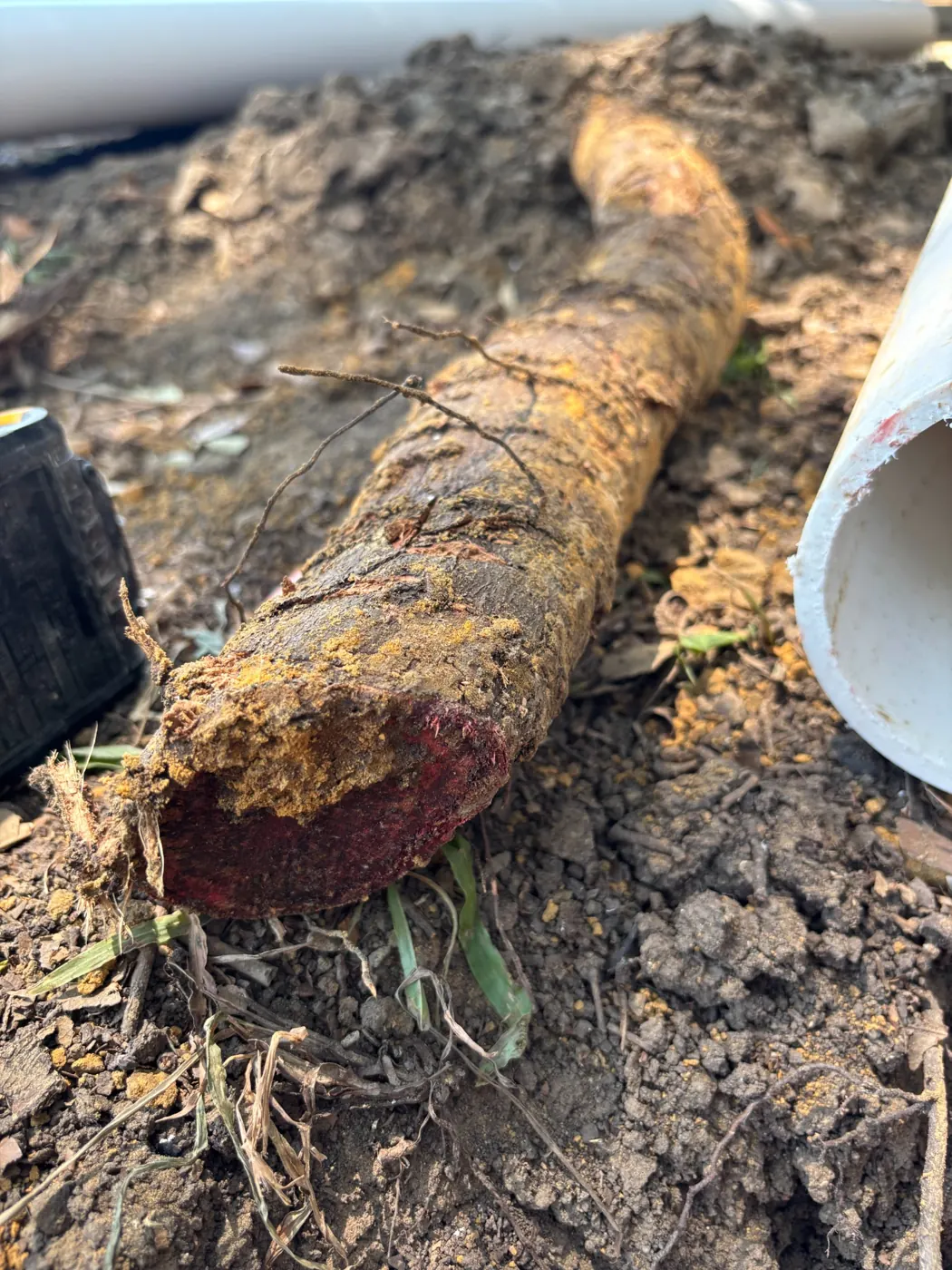
Ask how completion records will be delivered and whether any additional requested documentation carries a separate charge. CISRS advertises a free cast iron sewer replacement estimate and a $239 sewer camera inspection. Those offers do not define every post-construction service; confirm documentation and verification deliverables in the actual work scope.
Label each record by what it establishes
Use plain labels such as “original inspection,” “approved estimate,” “route after construction,” “inspection result,” and “remaining restoration.” Add a date and keep the original document intact. This avoids treating a planning sketch as an installed route or mistaking an appointment confirmation for an approval.
Where a document refers to another file, keep them together. A summary that cites a video timestamp is more useful when the household can still open the correct recording. Ask for clarification if several videos have identical names or if a final report references a file you did not receive.
It is also useful to record unanswered questions. An honest note that a branch remained uninspected is better than allowing that gap to disappear over time. Future decisions should begin with the actual coverage of the available evidence, not an expanded memory of what someone believes was checked.
Build a handover folder and a useful follow-up record
Keep a simple folder containing the original findings, accepted scope, approved changes, final route description, available photographs and videos, applicable test and inspection records, invoice, and warranty. Use recognizable filenames with dates so the next person does not have to guess which document is final.
Download available records rather than relying entirely on a text-message thread or an expiring video link. Keep a second copy somewhere accessible to the household. Protect private property information when sharing records and provide only the files needed for the next evaluation.
Read warranty coverage alongside the work boundary
Ask what work is covered, what is excluded, how concerns should be reported, and whether any maintenance or transfer conditions apply. Existing piping left in service may have a different status from new construction. Do not assume a repair warranty guarantees the performance of every connected drain indefinitely.
If a later problem appears, document the affected fixtures and timing and contact the appropriate contractor. Provide the final route and prior records so the new investigation starts with context. A good handover folder does not prevent every future issue; it makes it easier to locate responsibility, understand prior work, and choose a useful next step.
Frequently asked questions
Is the final invoice enough documentation?
It depends on its detail. Keep a final scope showing endpoints, branches, remaining existing pipe, and approved changes, plus available verification records. A single vague line on an invoice may not explain what was replaced.
Should I ask for a post-work camera video?
Ask whether it is appropriate and included for the selected scope and access. Confirm coverage and any limitations. A camera is useful for visible internal conditions, but it does not replace every test or required official inspection.
What does a permit prove?
An issued permit records authorization for the described work under its conditions. It is different from a completed inspection result. Ask for the project’s relevant records and clarification of any outstanding inspections or corrections.
Do I need an exact underground survey?
Ask what documentation is appropriate to the project. A clear route sketch with labeled approximate dimensions can still be useful. Do not present estimates or locating notes as survey-grade measurements when that level of accuracy was not established.
What should records show after a reroute?
They should identify the new active route, connected branches, tie-ins, existing pipe left in service, and treatment of old sections within the scope. Also keep applicable verification records and restoration responsibilities.
How long should restoration take?
It depends on the surfaces, work sequence, inspection dependencies, weather, and responsibilities in the agreement. Ask for a project-specific plan and an outstanding-items list. An article cannot promise a universal finish date.
Can I pass these records to a future buyer?
They can help explain the property’s work history, subject to privacy and any relevant agreement terms. Keep factual completed-work records distinct from preliminary estimates. Ask the warranty issuer about transfer terms rather than assuming coverage automatically changes owners.
Find your local CISRS service page
Explore service information for your city. Additional DFW locations are served by scheduling availability. Project scope and local requirements must be confirmed for the property.
Ready to Find Out What Is Happening Beneath Your Home?
Tell us your city, the affected fixtures and what previous inspections have shown. Ask for a free cast iron sewer replacement estimate or a $239 sewer camera inspection.