Sewer Replacement Restoration Planning Guide
October 1, 2026
North Texas homeowner guide
Sewer Replacement Restoration Planning Guide
Sewer replacement restoration planning defines what happens after new piping is installed: inspection access, backfill, concrete, flooring, walls, cabinets, landscaping and cleanup. Clear boundaries prevent a functioning sewer from being mistaken for a fully restored property.

Guide summary
This is an educational planning guide, not a diagnosis or a report about one customer property. Inspection and field evaluation are required before selecting a method or price.
Sewer replacement restoration planning: Sewer replacement restoration planning starts before access is opened
Sewer replacement restoration planning should be part of the proposal, not an improvised conversation after pipe work is complete. The access method determines which surfaces are disturbed, but the written scope determines who protects, removes, stores, replaces, patches, finishes, and cleans each item.
Start by dividing the property into work zones. For an interior route, identify flooring, baseboards, walls, doors, cabinets, plumbing fixtures, furniture, appliances, dust-sensitive equipment, and occupied pathways. For exterior work, identify sod, planting beds, irrigation, trees, fences, gates, patios, driveways, sidewalks, drainage features, and equipment access.
Use three responsibility labels
Mark every surface as “included,” “excluded,” or “by owner/other contractor.” Avoid vague phrases such as “basic restoration” unless the scope defines the material, finish level, and boundary. Replacing concrete to a safe structural patch is different from matching decorative stain, tile, hardwood, carpet, texture, or landscaping.
Photograph the pre-work condition and note existing cracks, settlement, stains, damaged flooring, and irrigation concerns. These records protect both homeowner and contractor by separating existing conditions from the agreed work.

Interior restoration has layers: protection, access, closure, and finish
Interior sewer access may require moving contents, protecting travel paths, isolating dust, removing flooring, opening concrete, excavating beneath the slab, and later closing the work area. Each step has a different trade and acceptance point.
Ask who disconnects and resets toilets, vanities, appliances, or cabinets when they affect access. Confirm whether flooring is removed in reusable sections, cut and discarded, or handled by a flooring contractor. A plumbing estimate may include pipe, excavation, backfill, and a concrete patch while excluding tile, wood, carpet, paint, trim, cabinetry, and decorative finish.
Concrete patching is not finished flooring
A concrete closure should be described by its intended function and boundary. Finished flooring may require moisture conditions, curing time, surface preparation, matching material, transitions, or work beyond the plumber’s scope. If a homeowner plans a remodel after sewer work, coordinating the sequence can avoid paying to restore a finish that will soon be replaced.
Occupied-space controls also matter. The plan should address access, pets, children, dust-sensitive belongings, daily cleanup, and whether rooms remain usable. Avoid absolute promises of “no dust” or “zero disruption.” The practical goal is controlled work with clear expectations.
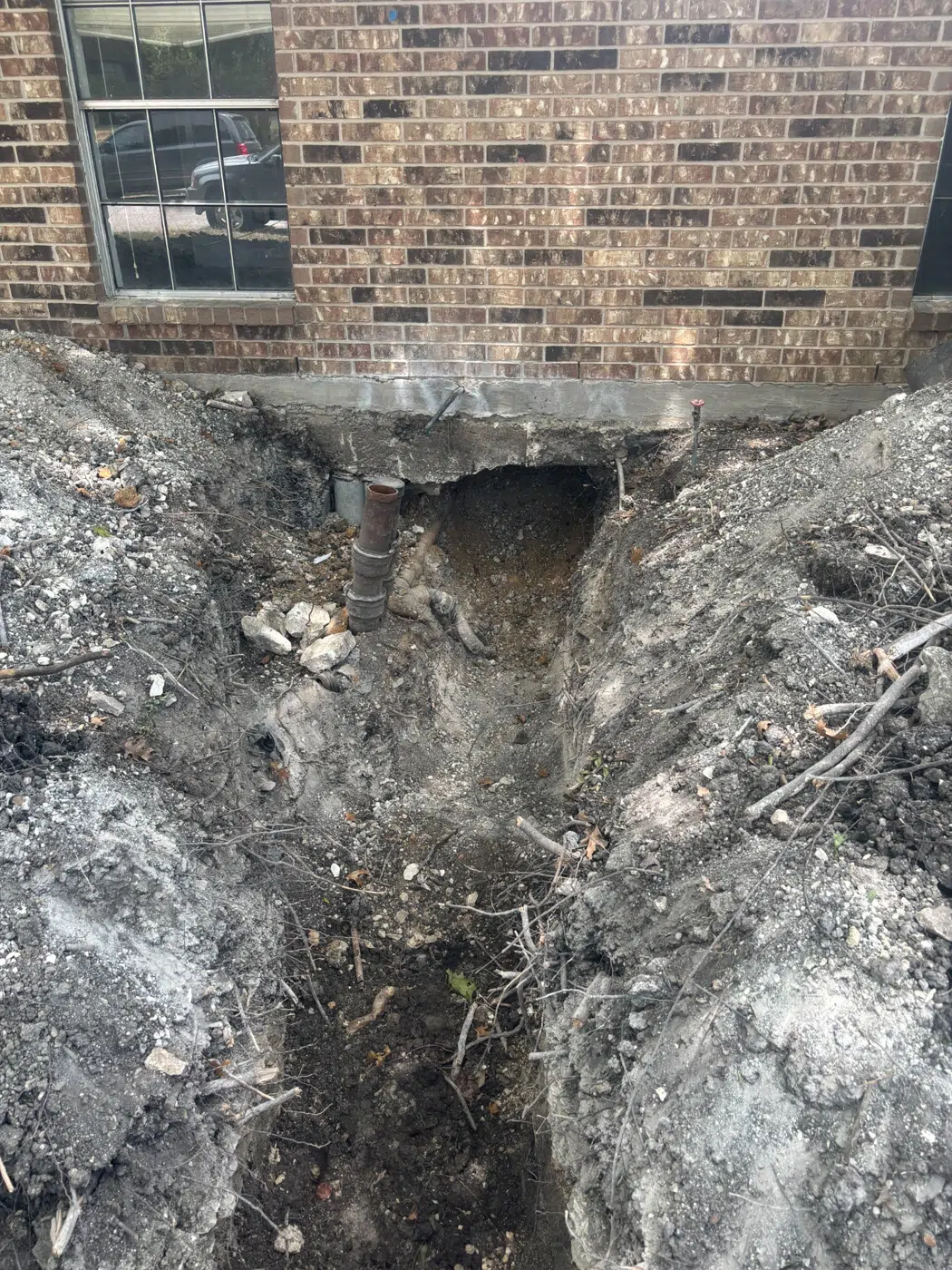
Exterior restoration depends on soil, compaction, weather, and finishes
Exterior trenching or rerouting can affect more than the visible strip above the pipe. Equipment needs a travel route and working area. Spoil piles, dewatering, utility exposure, material storage, inspection access, and weather can enlarge the temporary work zone.
Backfill and compaction responsibilities should be stated separately from surface restoration. Ask whether excavated soil is reused, imported fill is anticipated, excess soil is hauled away, and settlement-related follow-up is included. The final approach depends on the site and applicable requirements; an article cannot prescribe a universal compaction method.
Landscaping should be described item by item
“Restore yard” can mean rough grading, replaced sod, reseeding, mulch, replanting, irrigation repair, or only backfill. Trees and mature plantings may not be replaceable in kind. Decorative stone, artificial turf, specialty concrete, pavers, and fences require their own boundaries.
Utility locating and work-zone review happen before excavation. Texas 811 helps coordinate markings for participating utility operators, while private lines may require other locating. Existing irrigation and low-voltage lines should not be assumed to be fully covered by public utility markings.
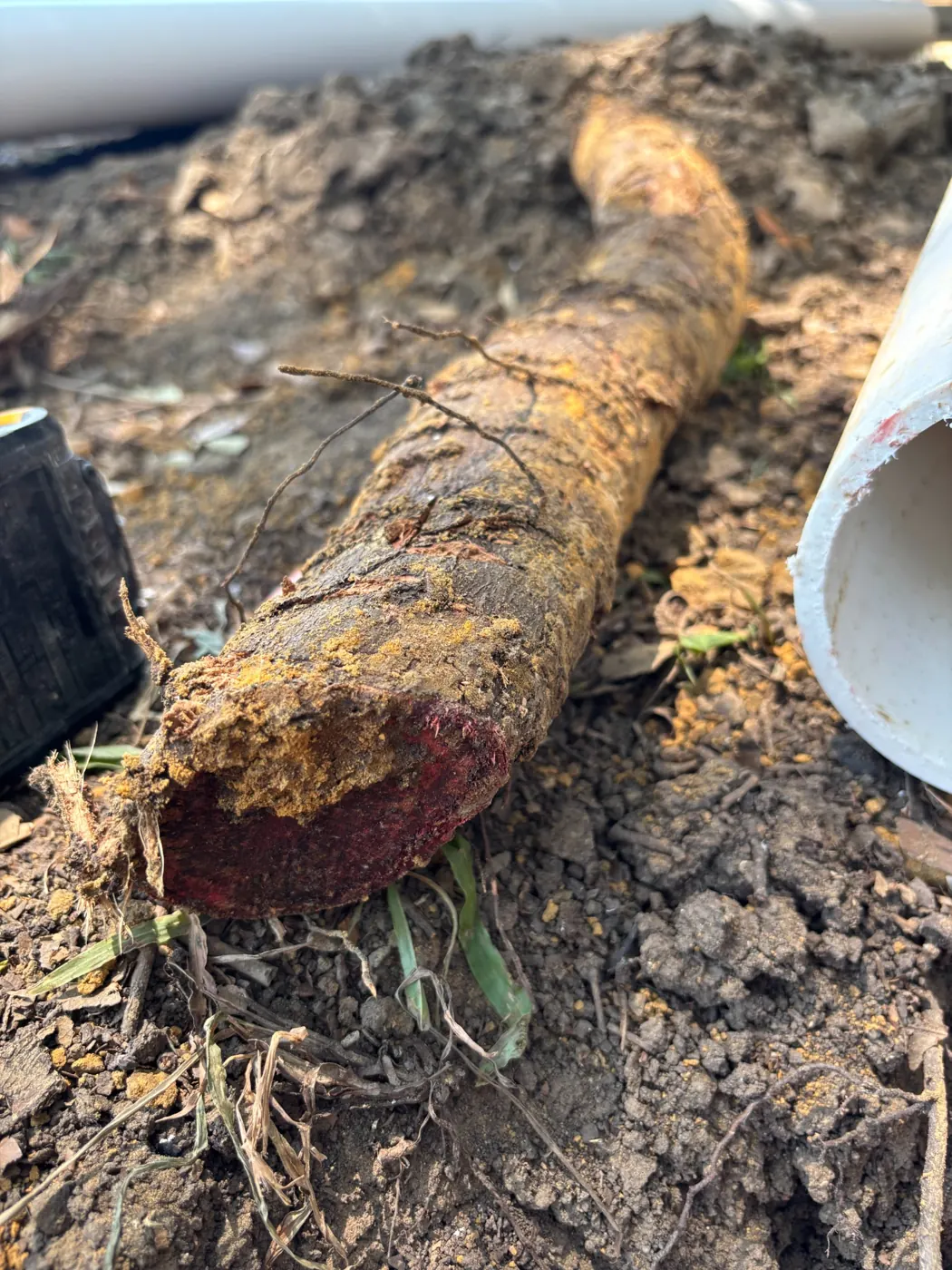
Inspection, testing, and documentation control the restoration sequence
Some piping must remain visible or accessible until required checks are complete. Closing concrete, backfilling, or reinstalling finishes too early can interfere with inspection or force work to be reopened. The contractor should coordinate the applicable sequence with the authority responsible for the property.
A permit application, issued permit, scheduled inspection, correction notice, and completed approval are different stages. The restoration plan should identify what can proceed after each stage and what remains contingent. Weather, inspector availability, concealed conditions, and approved changes may affect timing, so avoid a universal completion promise.
Keep evidence tied to the actual work
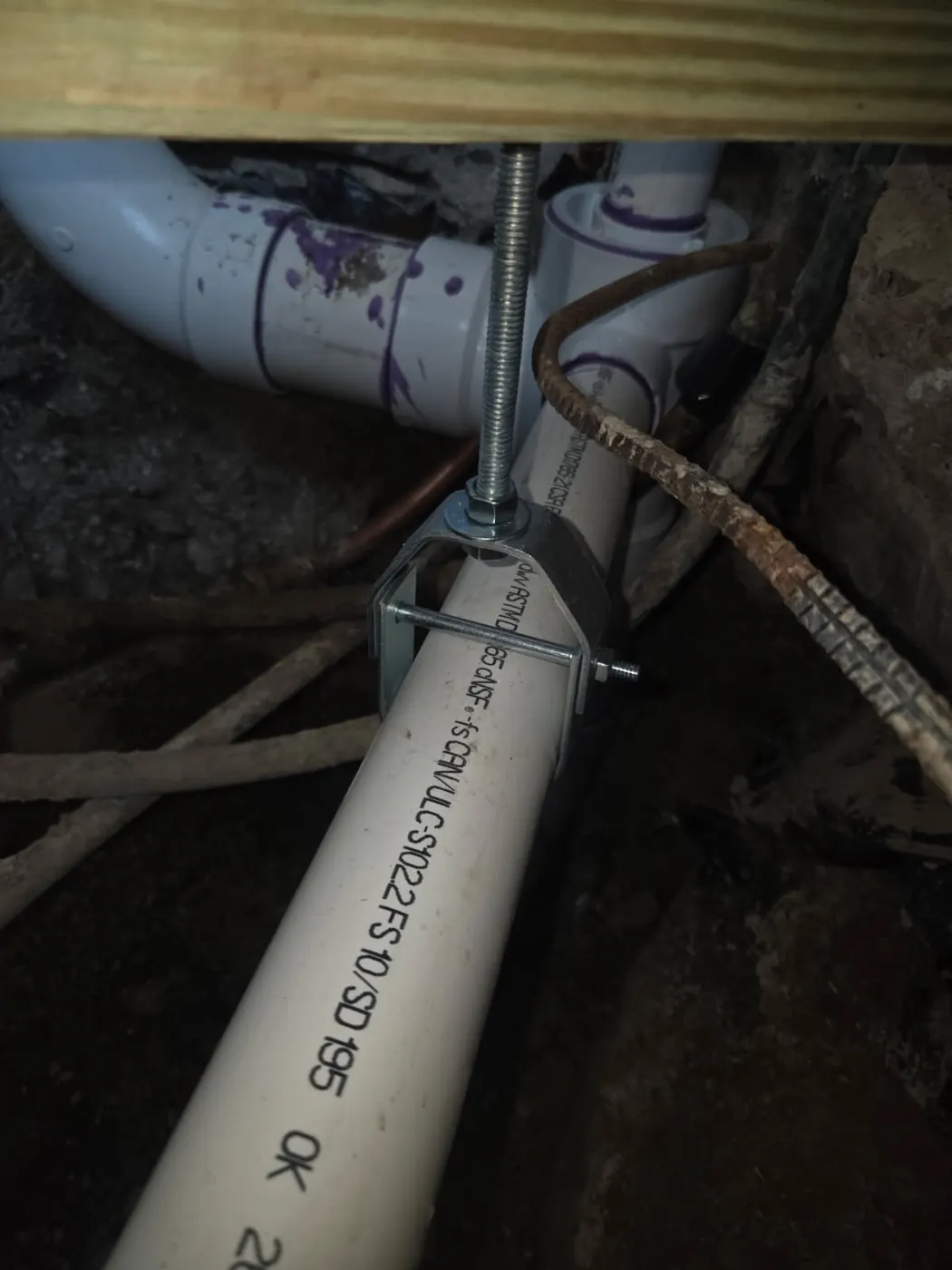
Before closure, available photographs can document piping, connections, supports, access areas, and the work boundary. A post-work camera may document accessible internal conditions. Testing and official inspection records address different questions. No single photograph or video proves every hidden condition.
At handover, keep the final scope, approved changes, route or endpoint notes, available photographs and video, applicable test and inspection records, invoice, warranty terms, and a list of finish items handled by others. This record will be valuable if a flooring installer, landscaper, future plumber, buyer, or insurer later asks what changed.
Restoration impacts differ by access method
Targeted repair
May limit the disturbed area, but access can still cross concrete, flooring, landscaping, or hardscape. Confirm whether adjoining existing pipe and finishes remain outside the scope.
Under-slab tunnel
May reduce interior finish removal while adding exterior excavation, spoil handling, safe work-space controls, inspection access, backfill, grading, and yard restoration.
Through-slab replacement
Creates interior protection, demolition, concrete closure, and finish coordination. It may offer direct access where branches make an exterior approach impractical.
Exterior reroute or trench
Can shift work outdoors but may affect utilities, penetrations, driveways, fences, trees, irrigation, drainage, sod, and the downstream connection.
Lining and pipe bursting may reduce some surface removal, but they can still require access pits, cleaning access, branch work, equipment staging, and finish restoration. Suitability depends on condition, grade, depth, access, branch connections, layout, product requirements, and local acceptance.
Homeowners should not enter excavations or direct restoration around an open trench. OSHA’s trenching and excavation guidance identifies cave-ins as a primary hazard and explains employer protective responsibilities.
Restoration allowances and change control protect the budget
Restoration can be a material portion of project cost, especially where finished floors, decorative concrete, cabinetry, hardscape, mature landscaping, deep excavation, imported fill, or complex access are involved. Ask whether the estimate uses fixed included work, an allowance, unit pricing, or an exclusion.
Largest cost drivers include under-slab footage, depth, branch count, access, demolition, concrete, flooring, landscaping, equipment access, utilities, permits, inspections, excavation, backfill, hauling, compaction, and specialty finish matching. Unsupported “average Dallas price” claims do not account for these differences.
Require written changes before added restoration work
If concealed conditions change the plan, request a written description of the condition, added or removed scope, price effect, schedule effect, and responsibility for finishes. This is especially important when a plumbing discovery affects another trade. Verbal assumptions about who will “take care of it later” are hard to reconcile after surfaces are closed.
CISRS currently offers a free cast iron sewer replacement estimate and a $239 sewer camera inspection. An inspection and written scope are required for property-specific pricing. Confirm restoration inclusions during the estimate rather than assuming the diagnostic visit defines construction finish work.
For projects in Plano and other DFW cities, current permitting and inspection procedures must be confirmed for the property and scope. Locally adopted requirements govern; model-code summaries are educational references only.
Homeowner checklist for restoration acceptance
Create a room-by-room and zone-by-zone list before work begins. For each area, record protection, demolition, temporary storage, closure, finish work, cleanup, and the person responsible. Attach photographs of existing conditions and note specialty materials that may be difficult to match.
Ask for separate acceptance points. Plumbing completion confirms the agreed piping scope and applicable verification. Access closure confirms backfill, openings, and concrete responsibilities. Finish completion addresses flooring, trim, paint, cabinets, landscaping, hardscape, irrigation, and cleanup. These milestones may occur on different dates and may involve different trades.
Details worth putting in writing
- Exact limits of concrete removal and replacement.
- Whether decorative finish, flooring, transitions, baseboards, paint, or cabinetry are included.
- Whether exterior restoration means rough grade, seed, sod, mulch, planting, irrigation, pavers, or concrete.
- Who removes and resets fixtures, appliances, fencing, gates, or furniture.
- How excess soil, demolition debris, and replaced materials are handled.
- What settlement, watering, curing, or follow-up responsibilities apply.
- Which inspection or testing milestone must occur before closure.
During the final walk-through, compare the property with the written scope rather than an informal expectation. Photograph completed work, list unfinished items, and assign a responsible party and next step. If a finish is excluded, confirm that the surface has been left in the agreed condition for the next trade.
Restoration planning cannot eliminate every concealed condition or matching limitation. It can make the handoff much clearer. When homeowners, plumbers, concrete crews, flooring installers, and landscapers understand the same boundaries, the project is less likely to stall between “pipe complete” and “property restored.”
Frequently asked questions
Does sewer replacement include new flooring?
Only if the written scope includes it. Plumbing work, concrete closure, flooring material, installation, transitions, baseboards and paint may be separate responsibilities.
Will exterior trenching include new sod?
Do not assume it. The proposal should state whether restoration means rough grade, seed, sod, mulch, plantings, irrigation, hardscape or another defined finish.
When can concrete or soil be closed?
The sequence depends on required testing, inspection, site conditions and the approved scope. The contractor should keep work accessible until applicable checks are complete.
Can restored concrete match exactly?
Color, texture, aggregate, stain and aging can make exact visual matching difficult. Define the structural patch and decorative finish responsibilities separately.
Who moves furniture and appliances?
Assign that responsibility in writing before work. Some contractors protect or move limited items; others require clear access before arrival.
What happens if concealed conditions add work?
Request a written change describing the new evidence, revised scope, price, schedule and finish responsibility before added work proceeds.
Does trenchless work eliminate restoration?
Not necessarily. Access pits, cleaning access, branch connections, equipment staging and surface repairs may still be required.
Is Steven Shipler’s credential current?
The official Texas public record checked October 1, 2026 listed Master Plumber license 45825 as current through September 30, 2027 and showed the Responsible Master Plumber endorsement.
CISRS service areas
City pages provide local service information. Project scope, permit requirements, and scheduling must be confirmed for the property.
Additional DFW cities may be served by scheduling availability.
Ready to Find Out What Is Happening Beneath Your Home?
Start with the evidence and a written scope.