Resources
Texas homeowner education center
Cast Iron Sewer Line Resource Page
Clear, master-plumber-led information about cast iron sewer pipes, camera inspections, warning signs, repair methods, replacement planning, costs, permits, and service options across Dallas–Fort Worth.
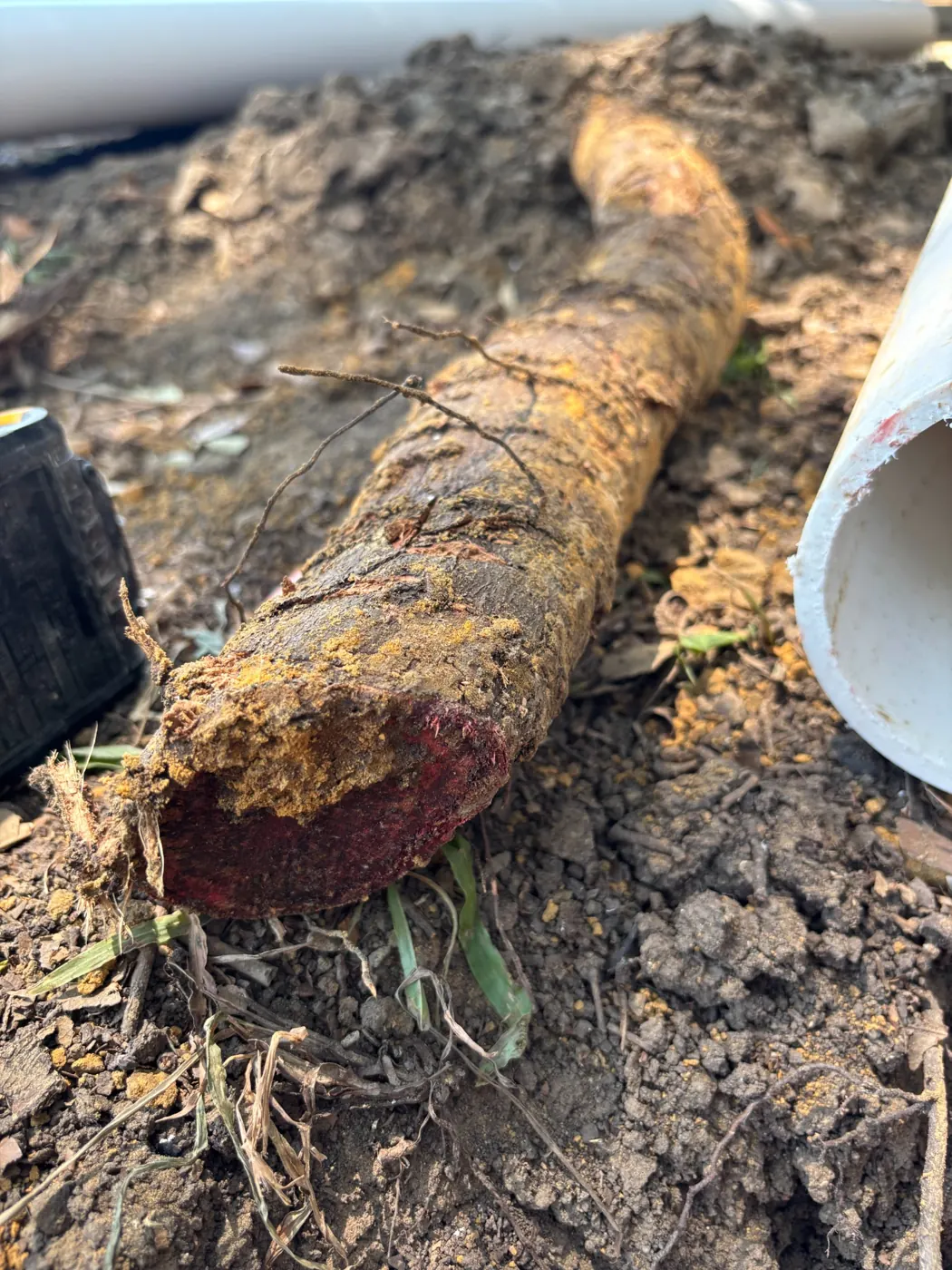
Start with the evidence
Use this resource center before approving a major sewer repair.
The purpose of this cast iron sewer line resource page is to help Texas property owners understand the pipe, recognize the limits of a sewer camera, compare repair methods, and ask better questions before signing a replacement contract.
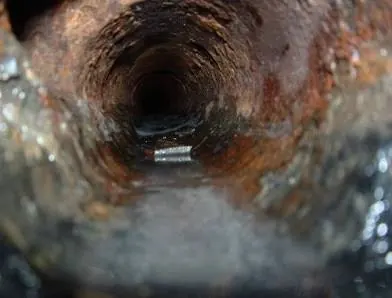
What Is a Cast Iron Sewer Pipe?
Learn what cast iron pipe is made of, how foundries form it, how it deteriorates, and why 50–75 years is better treated as a Texas inspection window than a guaranteed expiration date.
Read the complete cast iron pipe guide →CISRS article library
All blog posts and homeowner guides
Explore inspection questions, repair decisions, exterior routes and preparation for sewer work. City guides link to the matching local service page.
Plano Sewer Camera Findings: What They Mean
Plano sewer camera findings can help explain recurring drain problems, but a short video clip is only part of the decision. This guide shows homeowners how to connect visible pipe conditions with location, repair options, and a written scope.
Read the guide →Cast Iron Sewer Repair in Richardson: Replace or Repair?
Choosing cast iron sewer repair in Richardson starts with understanding how much of the system is affected. This guide helps you compare a limited repair with broader replacement without assuming that pipe age alone decides the answer.
Read the guide →Sewer Reroute in Garland: Is an Outside Route Practical?
A sewer reroute in Garland may move portions of a damaged drain system outside the home when the layout allows. The decision depends on connections, elevations and access—not simply whether there is open grass beside the house.
Read the guide →Under-Slab Sewer Replacement Preparation Checklist
Good under-slab sewer replacement preparation makes the work scope easier to understand and the household easier to plan. Start with documented findings, then agree on access, service interruptions, testing and restoration before construction begins.
Read the guide →What Is a Cast Iron Sewer Pipe? Texas Lifespan Guide
Explore cast iron materials, service-life factors and when an inspection can help you plan.
Read the guide →Recurring Sewer Backups After Cleaning: What to Check
Learn why restored flow does not always identify the underlying defect, what evidence to document, and how camera findings, locating, and a written scope guide the next step.
Read the guide →Sewer Inspection Before Buying a House: A Buyer’s Guide
Understand camera coverage, inspection limits, missing records, repair scopes, and the questions a buyer should resolve before making a property decision.
Read the guide →Compare Sewer Replacement Estimates: A Scope Checklist
Compare work boundaries, access plans, branch connections, testing, exclusions, restoration, and completion records before comparing bottom-line prices.
Read the guide →Sewer Replacement Documentation: What to Keep After Work
Keep a useful record of the final route, camera footage, testing, inspection results, restoration responsibilities, warranty terms, and changes to the original scope.
Read the guide →Cast Iron Sewer Troughing: What It Means
Learn how lower-channel deterioration appears on camera, what the footage can and cannot establish, and how a written scope connects the finding to practical repair options.
Read the guide →Under-Slab Sewer Mapping Before Replacement
See how camera distance, electronic locating, depth, fixture branches and site access become a usable planning map without pretending to be a survey-grade as-built.
Read the guide →Sewer Replacement Access Methods Compared
Compare targeted repair, tunneling, slab access, rerouting, trenching, lining and pipe bursting according to condition, grade, depth, branches and property layout.
Read the guide →Sewer Replacement Restoration Planning Guide
Define concrete, flooring, landscaping, backfill, inspection sequence and finish responsibilities before work begins.
Read the guide →Cast Iron Sewer Branch Connections: Plan Every Reconnection
Map fixture branches, camera limits, grade, material transitions and verification before selecting replacement limits.
Read the guide →Cast Iron Sewer Leak Testing: What Each Test Can Prove
Compare camera, controlled flow, defined-section testing and required inspection without overstating what one test can establish.
Read the guide →Occupied Home Sewer Replacement: Plan Service Interruptions
Plan fixture shutdowns, sanitation, work zones, inspection milestones, daily communication and closeout records.
Read the guide →Cast Iron Sewer Joint Failures: Offsets, Gaps and Roots
Interpret joint findings in context and compare clearing, localized repair, section replacement and broader planning.
Read the guide →Cast Iron Sewer Cleanout Placement: Plan Future Access
Plan cleanout locations around route, direction, access, grade and future inspection or cleaning needs.
Read the guide →Cast Iron Sewer Replacement Change Orders: Control Unknowns
Define concealed-condition triggers, documentation and approval steps before work changes scope.
Read the guide →Sewer Replacement Backfill and Pipe Support: What to Document
Document bedding, pipe support, backfill, compaction and inspection milestones before restoration.
Read the guide →Remaining Cast Iron Sewer Pipe: Document What Stays
Record retained pipe, transitions, branch limits, access and follow-up inspection recommendations.
Read the guide →Sewer Replacement Testing Before Backfill: What to Verify
Understand testing, inspection milestones and documentation to review before new sewer work is covered.
Read the guide →Cast Iron Sewer Replacement Warranty Scope: What to Read
Compare the written warranty scope, exclusions, retained piping, restoration responsibilities and documentation.
Read the guide →Abandoned Cast Iron Sewer Lines: Cap, Map and Document
Plan how unused cast iron sections are disconnected, capped, mapped and recorded after replacement or rerouting.
Read the guide →Foundation Repair and Sewer Replacement: Plan the Sequence
Coordinate sewer evaluation, foundation work, repair access, testing and documentation in a practical order.
Read the guide →Cast Iron Sewer Replacement Near Mature Trees: Route Planning
Compare root zones, route evidence, grade, access, utilities, excavation limits and restoration before approving a sewer path.
Read the guide →Cast Iron Sewer Replacement Under Tile and Wood Floors
Plan access, finish protection, pipe testing and restoration when an under-slab route crosses tile or wood flooring.
Read the guide →Sewer Replacement Permit and Inspection Checklist for DFW
Organize jurisdiction checks, applications, inspection milestones, testing, corrections and closeout records without assuming every DFW city is the same.
Read the guide →Cast Iron Sewer Replacement Before Selling a Home
Use documented condition, a defined scope, realistic sequencing, testing and a clear handoff file when planning work before a sale.
Read the guide →Cast Iron Sewer Replacement Under a Kitchen Island
Plan branch mapping, floor protection, access and documentation when an island sits above an under-slab sewer route.
Read the guide →Cast Iron Sewer Replacement Near a Pool or Deck
Coordinate sewer access with pool systems, decks, utilities, drainage and restoration constraints.
Read the guide →Cast Iron Sewer Replacement After Repeated Spot Repairs
Use repair history and system-wide evidence to compare another spot repair with a coordinated replacement scope.
Read the guide →Cast Iron Sewer Replacement Closeout Records
Keep route maps, connection notes, photos and test documentation useful after the pipe is concealed.
Read the guide →Cast Iron Sewer Replacement Under a Post-Tension Slab
Plan route evidence, slab-system constraints, access choices and qualified coordination before any opening.
Read the guide →Cast Iron Sewer Replacement Reroute vs Original Path
Compare a new route with the existing path using grade, branches, access, downstream tie-in and restoration.
Read the guide →Cast Iron Sewer Replacement Near Foundation Grade Beams
Coordinate sewer route evidence with structural boundaries and access planning without unsupported assumptions.
Read the guide →Cast Iron Sewer Replacement With Multiple Bathroom Branches
Map active bathroom branches, elevations, transitions and testing before selecting replacement limits.
Read the guide →Cast Iron Sewer Replacement Under a Home Addition
Separate original drainage from later construction and define access, branches, testing and restoration.
Read the guide →Cast Iron Sewer Replacement Near Load-Bearing Walls
Plan pipe access around concealed structural constraints using evidence and clearly assigned responsibilities.
Read the guide →Cast Iron Sewer Replacement With Limited Exterior Access
Compare equipment, staging, excavation, interior access and rerouting when exterior paths are constrained.
Read the guide →Cast Iron Sewer Replacement When Cleanouts Are Missing
Establish safe inspection access, disclose camera limits and plan future service access in the written scope.
Read the guide →Cast Iron Sewer Replacement Near Interior Staircases
Plan route evidence, restricted access, branch connections, structural boundaries and restoration near stairs.
Read the guide →Cast Iron Sewer Replacement With Split-Level Foundations
Coordinate changing slab elevations, gravity grade, branch mapping, access and testing across home levels.
Read the guide →Cast Iron Sewer Replacement Below Laundry Rooms
Trace standpipes, floor drains and branches before disturbing appliances, cabinets, floors or walls.
Read the guide →Cast Iron Sewer Replacement Before a Major Remodel
Inspect and map existing sewer conditions before new layouts and finishes make access more difficult.
Read the guide →Cast Iron Sewer Replacement Near Fireplace Foundations
Coordinate route evidence, masonry foundations, utility conflicts, access and restoration before disturbing a fireplace area.
Read the guide →Cast Iron Sewer Replacement With Guest House Connections
Map shared and separate laterals, cleanouts, grade and service interruptions before reconnecting guest-house plumbing.
Read the guide →Cast Iron Sewer Replacement Under a Converted Garage
Verify original and added plumbing, slab conditions, route changes and finish restoration in converted living space.
Read the guide →Cast Iron Sewer Replacement Near Interior Courtyards
Separate sanitary piping from site drainage while planning access, waterproofing, material handling and restoration.
Read the guide →Resource library
Cast iron sewer topics homeowners should understand.
Use these sections to move from a basic material question to a documented repair decision. Each topic connects to the same central principle: inspect the actual line before choosing the work.
What cast iron sewer pipe is
Understand gray cast iron, hub-and-spigot pipe, hubless pipe, fittings, joints, and why this heavy material was widely used in drain, waste, vent, and sewer systems.
Review pipe basics →How long cast iron may last
Learn why soil chemistry, moisture, wastewater, grade, joints, installation, and movement can matter more than a simple age estimate.
Review service-life factors →Signs that deserve inspection
Recurring backups, multiple slow drains, rough pipe, standing water, offsets, cracks, and root entry can justify a closer look without proving total system failure.
Review warning signs →What a sewer camera can show
A camera can document accessible internal conditions, but it cannot see through buildup, measure every part of the wall, or predict the exact remaining life.
Review inspection limits →Repair, replacement, or reroute
Compare targeted repairs, tunneling, through-slab access, exterior trenching, rerouting, lining, and pipe bursting only after the relevant conditions are known.
Compare the options →Costs, permits, and restoration
Learn which scope details control price and why a complete proposal should address access, branches, testing, inspections, backfill, and restoration.
Review project planning →Pipe basics
Cast iron is a manufactured drainage product—not simply raw iron.
Cast iron soil pipe is an iron-based alloy made for gravity drainage. Foundries melt a controlled charge that can include scrap iron, steel scrap, alloys, coke, and limestone. Carbon and silicon are adjusted to achieve the required composition. Straight pipe is commonly formed by centrifugal casting in a rotating horizontal mold, while fittings are cast in stationary sand or metal molds.
The result is a rigid, heavy pipe with substantial wall mass, sound-control benefits, and good resistance to normal building loads when properly installed. Depending on the system, sections may be connected with hub-and-spigot joints, compression gaskets, or listed hubless couplings.
Material identification matters. Cast iron soil pipe, steel pipe, and ductile iron pressure pipe are different products. A plumber must identify the existing material and connection type before choosing cutting equipment, transition couplings, support, or a replacement detail.
Read: What Is a Cast Iron Sewer Pipe?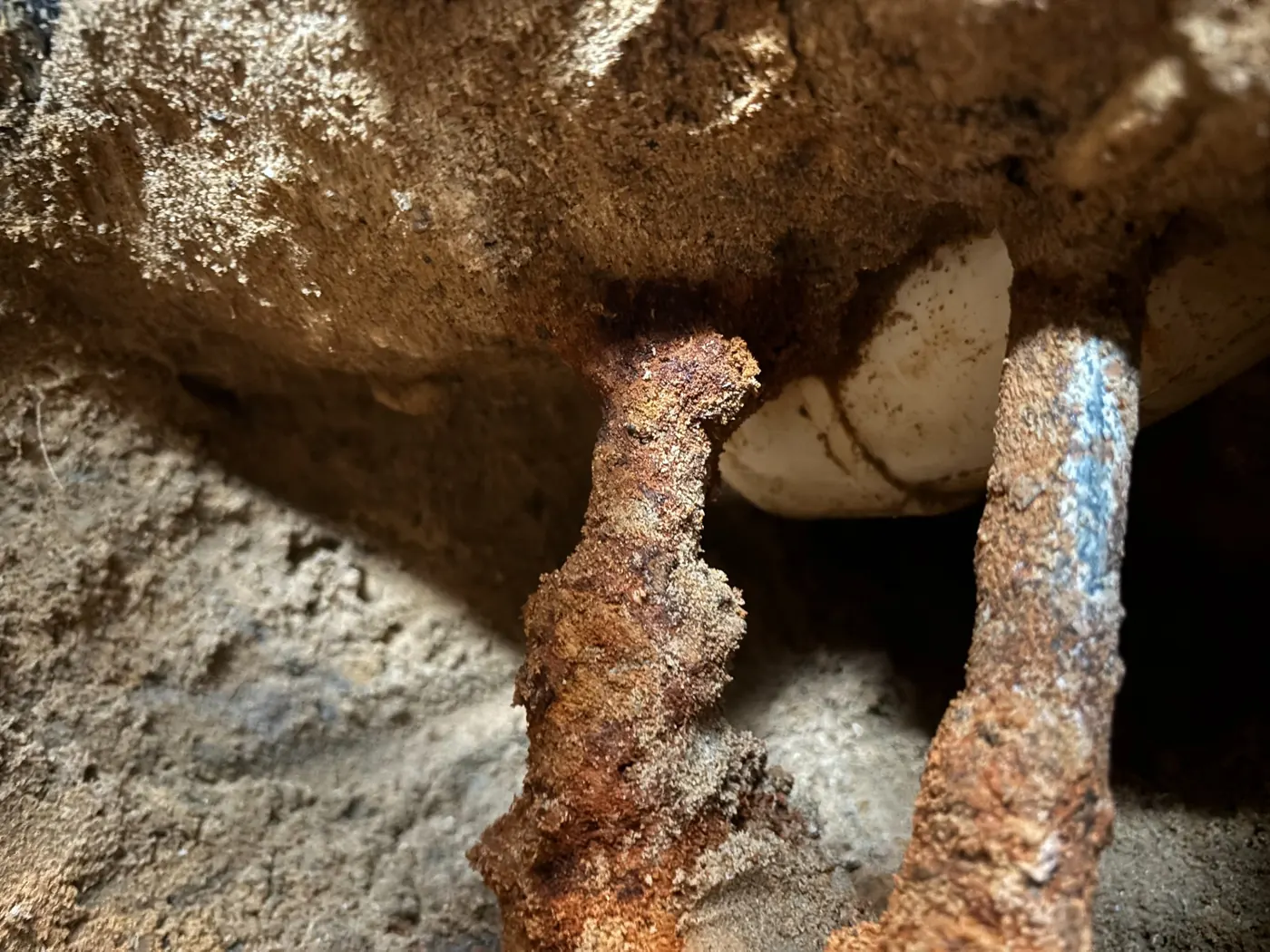
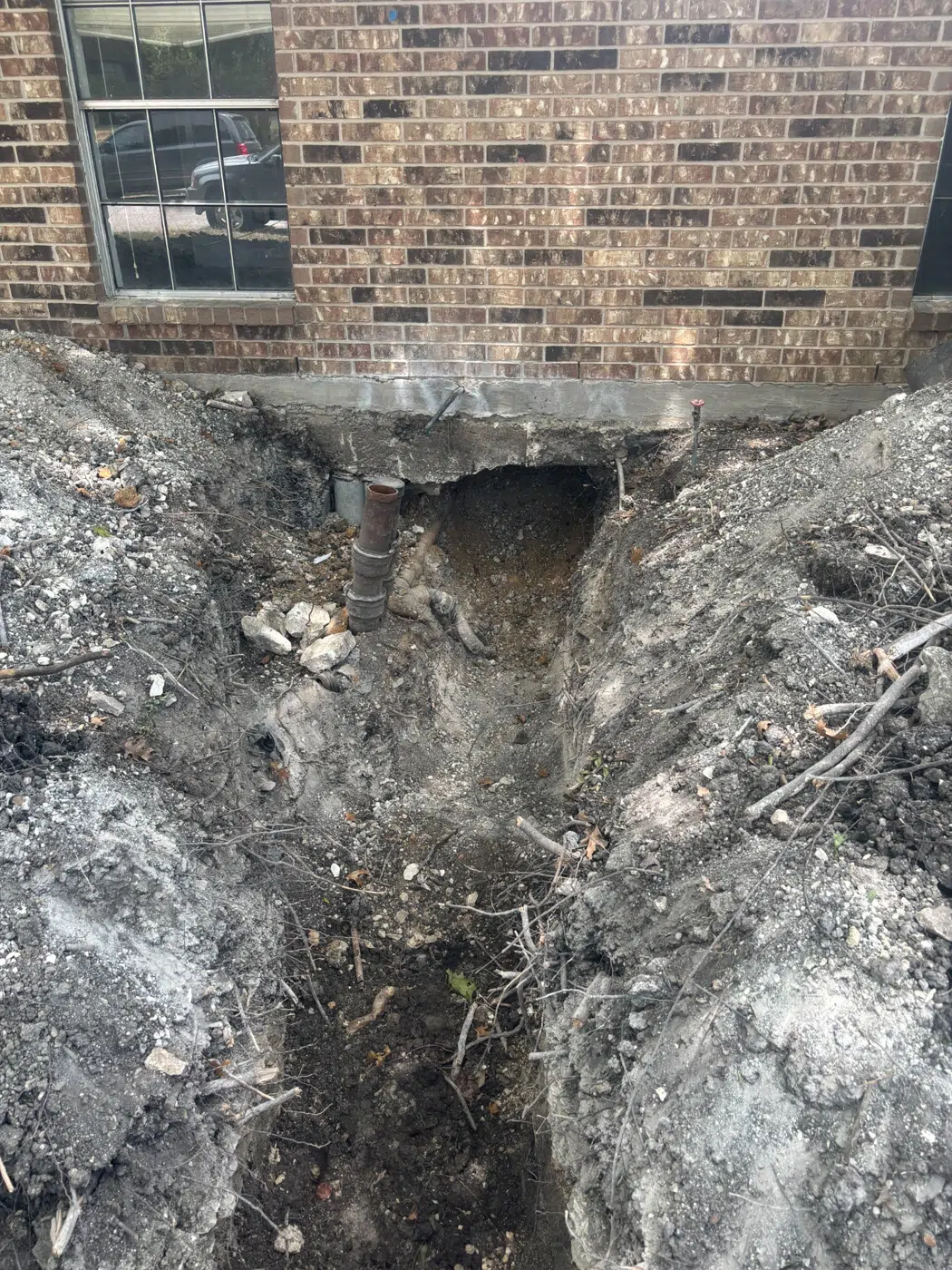
Texas service life
Think inspection window, not expiration date.
For planning purposes, many homeowners use approximately 50 years or more as a baseline and 50–75 years as a practical inspection window for older residential cast iron. That is not a warranty, a code requirement, or proof that a specific sewer must be replaced.
Some lines remain functional well beyond that range. Others deteriorate earlier because of soil chemistry, persistent moisture, salts, low soil resistivity, aggressive wastewater conditions, poor grade, weak joints, settlement, foundation movement, or installation problems.
Texas has varied soil environments. The condition of a line under a Plano slab may differ from a yard line in Dallas or Fort Worth. A useful evaluation combines available camera footage, locating, depth, layout, symptoms, access, and the history of previous repairs.
Symptoms and inspection
Recurring problems justify investigation—not an automatic full replacement.
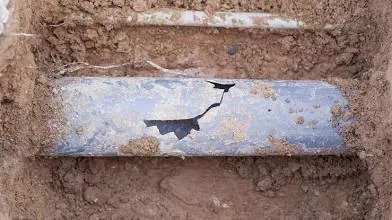
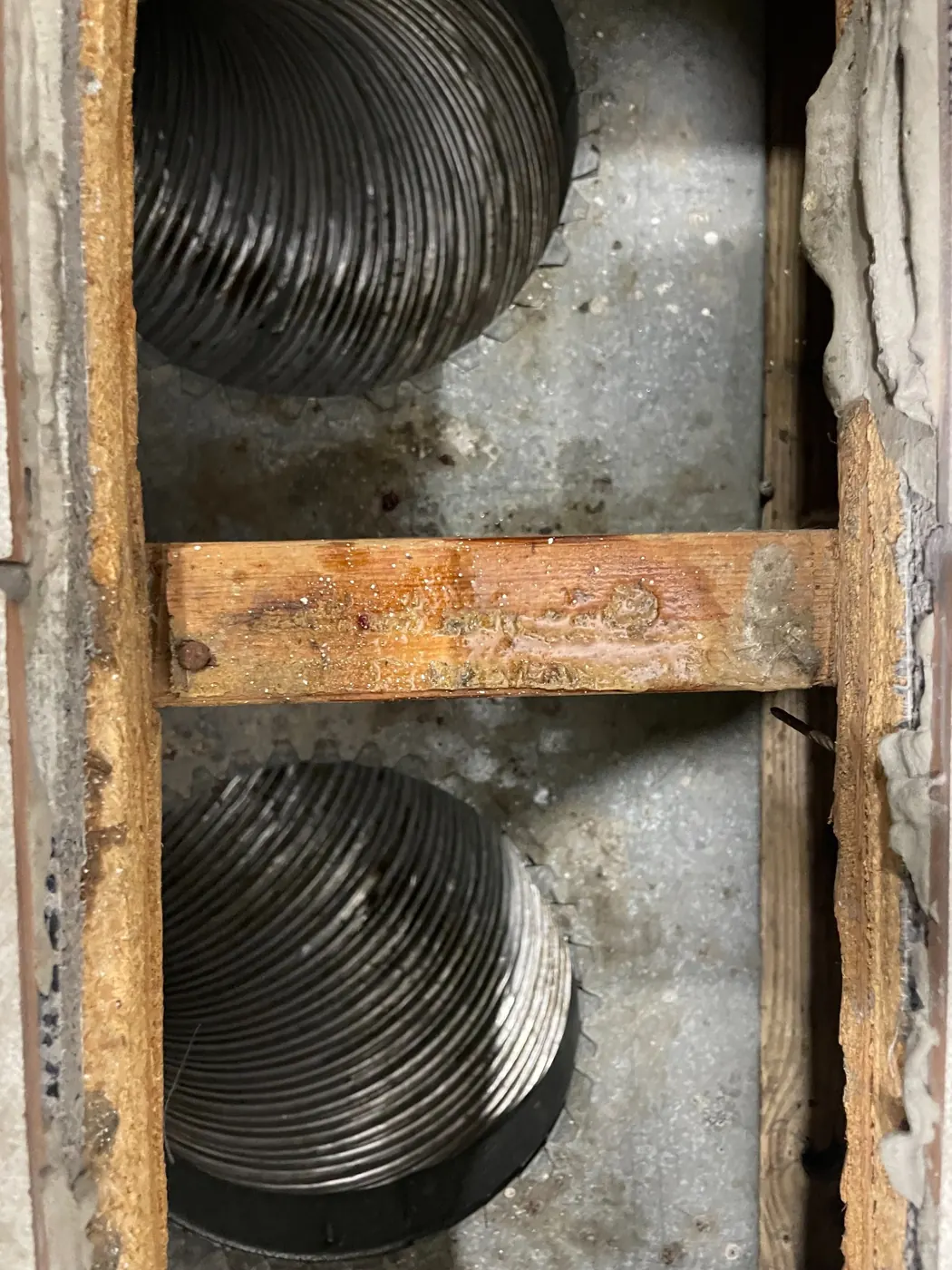
Aging cast iron can develop interior scale, pitting, troughing along the bottom, cracking, missing sections, root entry, shifted joints, and areas that retain water. These conditions may reduce the usable opening or create places where paper and solids repeatedly collect.
Common complaints include recurring backups, multiple slow fixtures, sewer odors, a line that clogs again soon after cleaning, damp soil, or unexplained settlement near the route. However, similar symptoms can result from grease, foreign objects, roots, fixture problems, venting issues, or defects in a different pipe material.
- Document which fixtures are affected and when the problem occurs.
- Retain prior camera videos, invoices, repair locations, and distance readings.
- Identify accessible cleanouts and the direction of the building sewer.
- Avoid approving a complete replacement based solely on the home’s age.
Camera inspection limits
A camera records visible conditions, but it does not answer every question.
A sewer camera can show accessible portions of the pipe interior. It may identify scale, standing water, roots, offsets, cracks, broken sections, or a transition between materials. Electronic locating can help estimate the camera head’s position and depth.
The camera cannot see through heavy buildup or dirty water. It does not measure the complete wall thickness or guarantee that every branch has been inspected. Distance readings may require field verification. Locating accuracy can be affected by depth, utilities, building materials, and site conditions.
A strong report distinguishes what was observed, what could not be viewed, where the condition appears to be located, and what additional verification may be needed before construction.
Repair decision framework
Move from symptoms to a written sewer scope in four steps.
A repair method should follow the documented defect and the property layout. No responsible recommendation can be made from pipe age alone.
Inspect
Review accessible piping with a sewer camera and document the visible conditions and limits of the inspection.
Locate
Estimate the problem area, depth, cleanout location, slab relationship, branches, and possible outside routes.
Compare
Evaluate targeted repair, replacement, tunneling, direct access, trenching, or a feasible exterior reroute.
Define
Prepare a written scope covering access, new piping, connections, testing, permits, backfill, restoration, and exclusions.
Project planning
What controls the method, price, and schedule?
The largest price drivers usually include under-slab footage, exterior footage, pipe depth, access, the number of fixture branches, concrete, finished flooring, hardscape, landscaping, excavation equipment, utility conflicts, permits, inspections, testing, backfill, haul-off, and restoration.
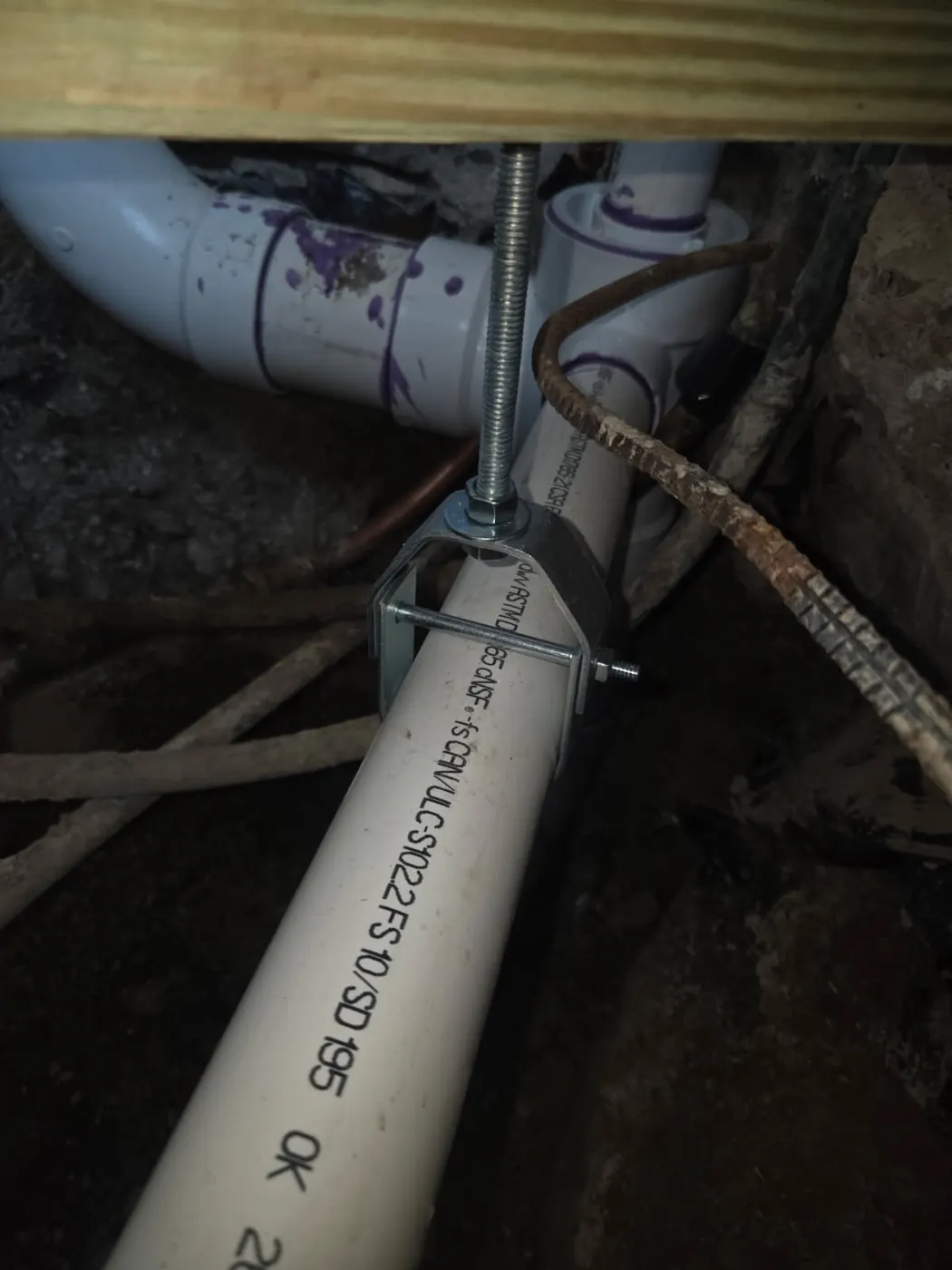
Targeted repair may fit one documented accessible defect. Broader replacement may be justified when the inspection supports multiple failed sections. Tunneling can provide access beneath a slab in selected conditions. Through-slab work may be more direct at a specific location. An exterior reroute can reduce under-slab work only when fixture connections, slope, utilities, and the property layout allow it.
Lining and pipe bursting are not universal answers. A collapsed pipe, major offsets, branch complexity, inadequate access, or unsuitable geometry may limit those methods. The proposal should explain why the recommended method fits the actual line.
Master plumber-led planning
Know what is underground before you approve the repair.
Steven Shipler, MBA, Texas Responsible Master Plumber RMP 45825, leads the CISRS approach to cast iron sewer planning. The process starts with evidence: available camera findings, locating, depth, layout, access, and a clearly written scope. Qualified team members may perform field work under the appropriate licensed oversight.
Local service guides
Cast iron sewer replacement resources across Dallas–Fort Worth.
Use the city pages below for local service information. Permit requirements, inspections, scheduling, and site conditions vary by jurisdiction and project.
Standards and technical references
Go deeper with authoritative cast iron resources.
These sources support the manufacturing, material, product-standard, and Texas durability concepts summarized throughout this resource center.
Frequently asked questions
Cast iron sewer resource questions
Does every cast iron sewer line eventually need complete replacement?
No. Some properties need a targeted repair, while others have multiple failed sections that support broader replacement. The recommendation should follow the documented condition, access, layout, grade, and remaining pipe.
Can a sewer camera prove the entire line is good?
No. A camera documents the accessible interior view at the time of inspection. Buildup, standing water, branches, access limitations, and the camera’s viewing angle can prevent a complete assessment.
Is 50–75 years a guaranteed cast iron lifespan?
No. It is a practical planning and inspection range for many older residential systems. Actual service depends on pipe manufacture, soil, moisture, wastewater, grade, joints, installation, movement, use, and maintenance.
Can cast iron under a slab be replaced without opening every floor?
Sometimes. Tunneling or an exterior reroute may reduce direct floor access, but neither method works for every property. Fixture locations, slope, depth, utilities, structure, soil, and local requirements control the options.
What should a written sewer proposal include?
It should identify the observed problem, proposed route, approximate footage, access points, branch connections, pipe material, testing, permits, inspection steps, backfill, restoration, exclusions, payment schedule, and warranty terms.
Do permits and inspections vary by city?
Yes. Requirements can vary by jurisdiction and scope. The contractor should confirm the applicable permit, testing, and inspection process for the property before construction.
How do I schedule a CISRS sewer camera inspection?
Call or text 972-333-5448, email STShipler@gmail.com, or use the online scheduling link. The standard sewer camera inspection offer shown on this site is $239.
Ready to Find Out What Is Happening Beneath Your Home?
Tell us your city, the affected fixtures, the history of backups, and whether you already have a sewer camera video. We will help identify the next useful step.